Introduction: The Evolution of Precision in Earthmoving
The modern construction landscape increasingly demands machinery that can deliver full-scale performance within miniature footprints. Gone are the days when sheer size equated to efficiency on every job site. Today, success often depends on precision, agility, and the ability to operate in highly confined environments. This evolution has made the compact machine segment one of the most vital in the industry. Against this backdrop, the HW-16 Crawler Excavator emerges not merely as another piece of equipment, but as a purposeful solution designed to meet the rigorous demands of urban construction, intricate landscaping, and utility work.
This detailed examination delves into the core capabilities and practical applications that cement the HW-16 Crawler Excavator’s position as an indispensable asset for contractors and project managers focused on maximizing output and minimizing disruption in tight-space operations. We will explore its specialized features, the crucial role it plays across various engineering disciplines, and ultimately, the tangible value it provides to the user’s bottom line. The machine’s design philosophy, prioritizing accessibility and power delivery in challenging locations, is what truly sets it apart from conventional heavy machinery.
Unpacking the Core Identity of the HW-16 Crawler Excavator
The HW-16 Crawler Excavator belongs to the 1.6-ton class of mini-excavators, a segment characterized by a blend of manageable size and surprisingly robust hydraulic power. This class of machinery is fundamentally different from its full-sized counterparts, having been engineered from the ground up to excel where larger machines simply cannot tread. Its design philosophy centers on achieving a harmonious balance between a compact physical structure and potent operational mechanics, offering an ethical, responsible alternative to manual labor in constrained environments.
Primarily, the HW-16 Crawler Excavator is defined by its ability to navigate exceedingly narrow access points. With a typical width designed to pass through standard garden gates or single interior doorways, it opens up new possibilities for interior demolition and backyard projects previously reliant on cumbersome manual effort. Consequently, this remarkable agility translates directly into tangible project efficiencies, drastically reducing the time and cost associated with site preparation and cleanup. Furthermore, its rubber track undercarriage ensures stability on diverse terrains while significantly minimizing ground pressure. Therefore, this critical feature helps in reducing surface damage on finished landscapes, driveways, and sensitive infrastructure, a key consideration for high-value projects.
Outstanding Features Tailored for the Modern Worksite
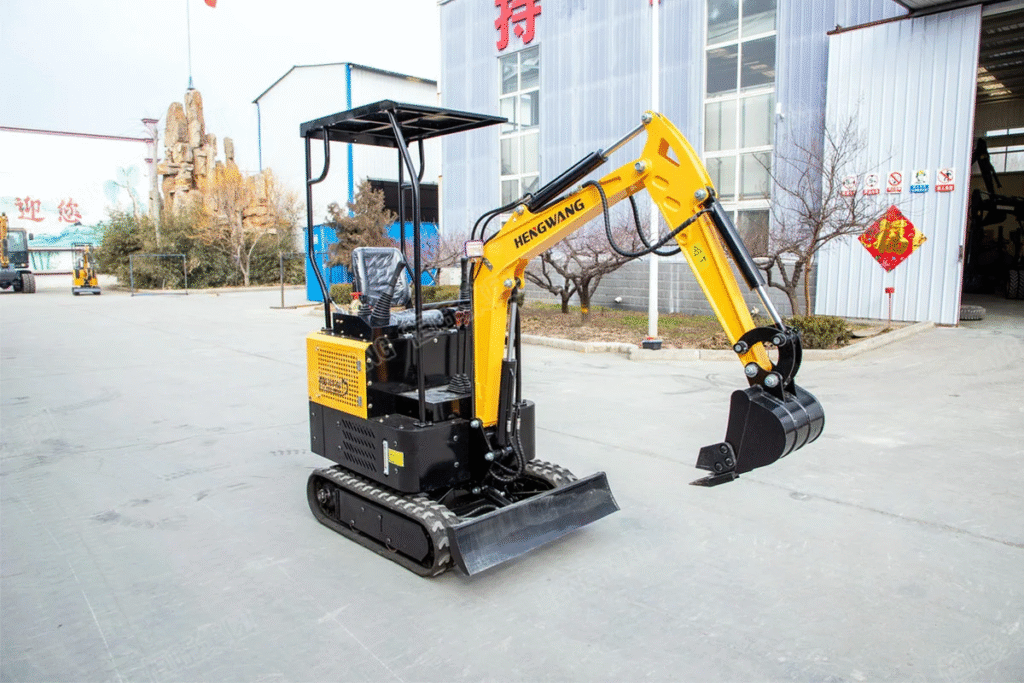
The operational superiority of the HW-16 Crawler Excavator is rooted in several key technical and ergonomic features, all designed with the operator and project in mind. Understanding these differentiators is vital for any engineering professional considering its integration into their fleet. These features collectively contribute to a safer, more productive, and more profitable site operation.
The Power-to-Size Ratio and Hydraulic Mastery
A defining characteristic of this model is its optimized power-to-size ratio. Despite its small stature, the robust engine and advanced hydraulic system work in concert to deliver significant digging forces and fast cycle times. This hydraulic precision is absolutely crucial. A sensitive and responsive control system allows the operator to perform fine-grading, delicate utility trenching, and precise material placement—tasks where over-powering the job would be detrimental. For example, in an urban environment where utility lines are congested, the meticulous control offered by the HW-16 Crawler Excavator is paramount to responsible, non-destructive digging practices. Moreover, its efficient hydraulic architecture often translates into reduced fuel consumption when compared to larger machines performing similar light-duty tasks, reinforcing a sensible approach to project expenditure and sustainability. This efficiency ensures that financial resources are utilized to their maximum potential.
Versatility Through Quick Attachment Systems
Another significant advantage is the machine’s inherent versatility, which is greatly enhanced by a quick coupler system. This allows for the rapid exchange of a variety of attachments, essentially transforming the HW-16 Crawler Excavator from a basic digger into a multi-functional utility tool. Operators can quickly transition from a standard digging bucket to a hydraulic hammer for concrete demolition, an auger for drilling fence or foundation post holes, or a thumb grapple for material handling and debris sorting. This capacity for fast adaptation effectively reduces the need for multiple specialized machines on site, leading to a leaner equipment list and more streamlined workflows. The adaptability of the HW-16 Crawler Excavator demonstrates a clear commitment to maximizing asset utilization, contributing positively to the overall project economy.
Design Elements Promoting Operator Value and Safety
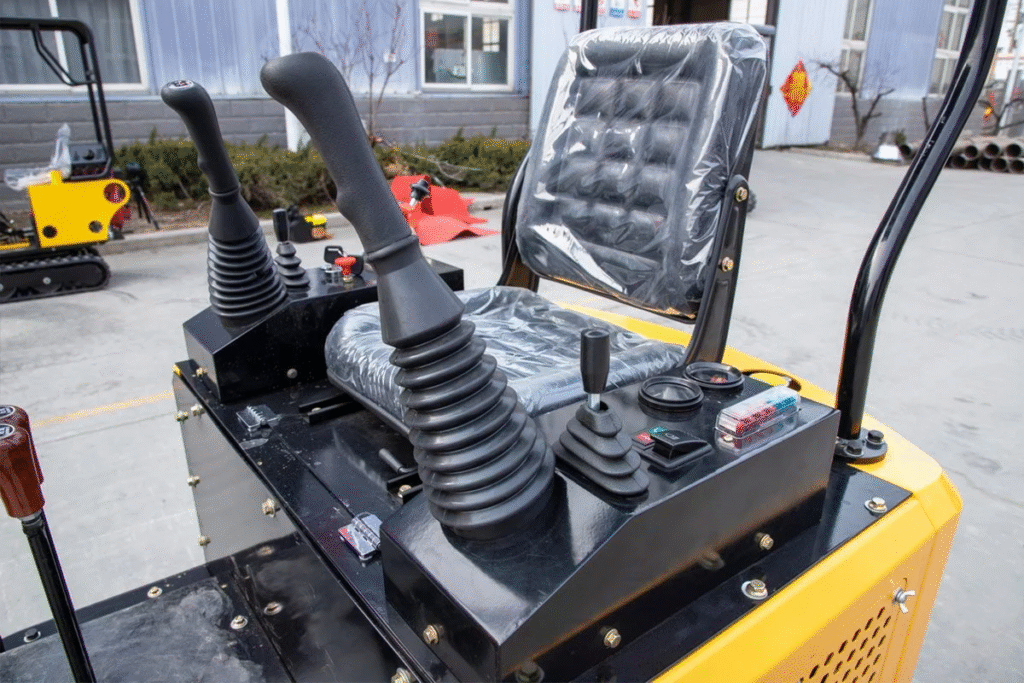
Beyond raw power and hydraulic control, the design incorporates several features focused on the operator’s experience and safety, reflecting a high-value commitment to human capital. A well-designed operator station, sometimes including a protective canopy or cab, provides excellent visibility, which is a non-negotiable safety feature, especially in congested work areas. Furthermore, the positioning of service points has been considered carefully. Easy access to the engine compartment and routine maintenance checks means that daily inspections can be performed faster and more thoroughly. This commitment to maintenance simplicity directly translates into higher machine uptime and longevity, safeguarding the user’s investment. Consequently, the emphasis on ease of service reduces the overall cost of ownership over the machine’s lifespan.
Critical Applications in Engineering and Construction
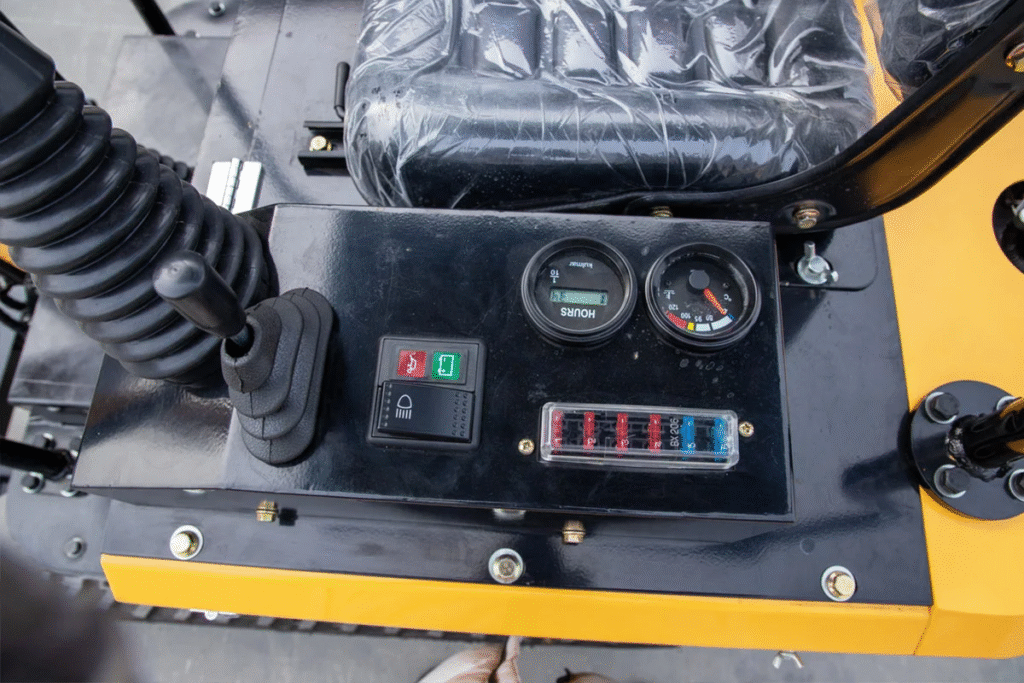
The true value of the HW-16 Crawler Excavator becomes most evident when analyzing its real-world applications across various construction and infrastructure sectors. Its specialty lies in executing detailed work in challenging locations, where precision and minimal impact are vital.
Urban Infrastructure and Utility Installation
In densely populated areas, working space is a premium and public disruption must be minimized. The HW-16 Crawler Excavator is the go-to machine for installing or repairing buried utility lines, including water, gas, and fiber optic cables. Its compact swing radius and narrow track width mean trenches can be dug with minimal disturbance to pedestrian areas, roadways, or nearby structures. This capability ensures that municipal and private utility projects are executed efficiently and with high regard for public safety and convenience. Furthermore, in road repair and sidewalk construction, the machine’s precision digging and backfilling capabilities ensure the integrity of the surrounding infrastructure is maintained and restored quickly.
Landscaping and Residential Projects
For large-scale landscaping and residential construction, the HW-16 Crawler Excavator is a significant advantage. It effortlessly handles tasks such as digging trenches for irrigation and drainage systems, excavating for pool installations, or preparing footings for additions and retaining walls. Crucially, its low ground pressure and rubber tracks protect lawns and finished surfaces, a non-negotiable requirement for high-end residential work where property value is paramount. The ease with which it can move dirt, gravel, and rock around a confined backyard, often accessing the area via a narrow side path, allows for complex designs to be brought to life without major site damage or extensive manual labor.
Interior and Controlled Demolition
One of the most specialized applications for the HW-16 Crawler Excavator is interior demolition. When renovating commercial or industrial buildings, the machine can be safely driven indoors to break up concrete slabs, walls, and flooring. Its lighter weight and size are often within the load-bearing limits of existing structures. Once inside, the hydraulic hammer attachment can rapidly break down material, which is then efficiently loaded and removed. This application highlights the ethical benefit of mechanized efficiency, replacing dangerous, time-consuming manual demolition with a safer, faster process that reduces exposure to hazards for the workforce.
Environmental and Specialty Trenching
The compact size also makes the HW-16 Crawler Excavator suitable for environmental restoration work, such as cleaning up riverbanks or working within protected wetlands. Its lower weight reduces ground disturbance, allowing sensitive ecological areas to be accessed with less impact. Additionally, its ability to utilize specialized attachments for narrow, deep trenching makes it ideal for tasks like vineyard planting, orchard fertilization, or installing complex geothermal loops, demonstrating its profound utility across the agricultural engineering sector.
Conclusion: A Strategic Investment in Efficiency and Responsible Engineering
The question, What Makes the HW-16 Crawler Excavator Essential for Compact Construction? is answered definitively by its specialized design: it is a strategic piece of machinery for any operation where space is limited and precision is paramount. It represents a forward-thinking approach to construction—one that values efficiency, versatility, and minimal environmental impact. The ability of the HW-16 Crawler Excavator to execute demanding tasks with surgical precision in confined spaces ensures that complex, urban, and sensitive projects can proceed responsibly and profitably. For the discerning construction professional, investing in this machine is not merely purchasing equipment; it is securing a competitive advantage in the specialized and growing field of compact engineering, emphasizing the commitment to delivering high-quality work with integrity and efficiency.
Frequently Asked Questions (FAQ)
Q1: What is the average transport requirement for the HW-16 Crawler Excavator?
Given its compact size (approximately 1.6-ton operating weight), the HW-16 Crawler Excavator can typically be towed on a standard utility trailer behind a heavy-duty pickup truck or a light commercial vehicle. This ease of transport significantly reduces logistics costs and time, allowing for faster deployment across multiple job sites, a key factor in improving overall project timelines.
Q2: What attachments are most commonly used with the HW-16 Crawler Excavator?
The most frequently utilized attachments include various sizes of digging buckets (for trenching and general excavation), hydraulic breakers/hammers (for concrete and rock demolition), augers (for post-hole drilling), and hydraulic thumbs/grapples (for material handling and brush clearing). The quick coupler system ensures that the machine’s versatility is fully realized.
Q3: How does the compact nature of the HW-16 Crawler Excavator benefit urban work sites?
In urban environments, the machine’s minimal tail swing and narrow chassis allow it to operate directly adjacent to walls, sidewalks, or traffic lanes without causing major obstruction or safety hazards. The lighter weight and rubber tracks also minimize damage to city infrastructure and landscaping, which is crucial for maintaining positive community relations and avoiding costly restoration work during and after construction projects.