In heavy-duty earthmoving and large-scale infrastructure projects, the selection of primary machinery dictates the pace and profitability of the entire operation. Construction managers and heavy equipment specialists are constantly tasked with balancing power, precision, and operational cost. Standing prominently within the large-scale segment is the HW32D Bulldozer, a powerful machine designed to handle the most rigorous applications, from large mining operations to substantial dam constructions. This comprehensive article serves as an essential resource, offering an in-depth analysis to guide users toward an optimal procurement decision. By understanding the core capabilities and engineering excellence of the HW32D Bulldozer, one can confidently answer the critical question: How can you truly choose the right HW32D Bulldozer variant to maximize productivity and meet your specific job requirements? The answer lies in aligning the machine’s robust features with the user’s long-term operational goals.
Anatomy of Power: Introducing the HW32D Bulldozer’s Core Design
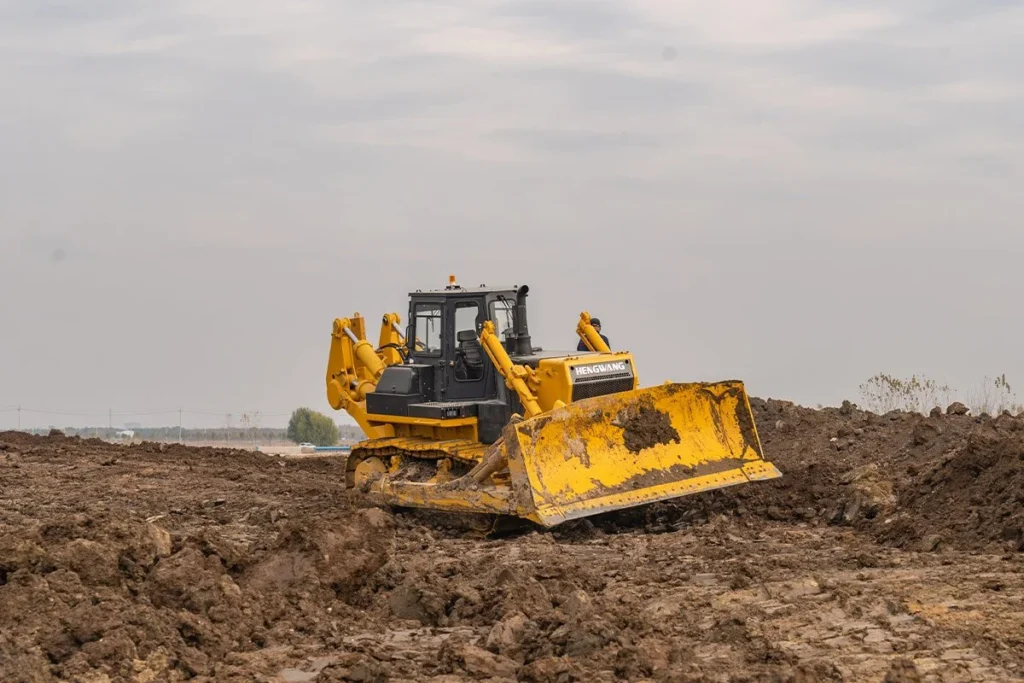
The HW32D Bulldozer is engineered for uncompromising performance, placing it firmly in the heavy-class category. Its design philosophy centers on delivering continuous, high-tractive effort under punishing conditions. At its heart, the machine features a high-horsepower, reliable engine that complies with stringent emission standards while delivering substantial power reserves. This powerful engine is complemented by an advanced transmission system, often a hydrostatic or power-shift design, which ensures maximum power is seamlessly transferred to the ground. Consequently, the HW32D Bulldozer maintains consistent speed and torque, crucial for challenging tasks like ripping through deeply frozen ground or moving immense volumes of rock and overburden.
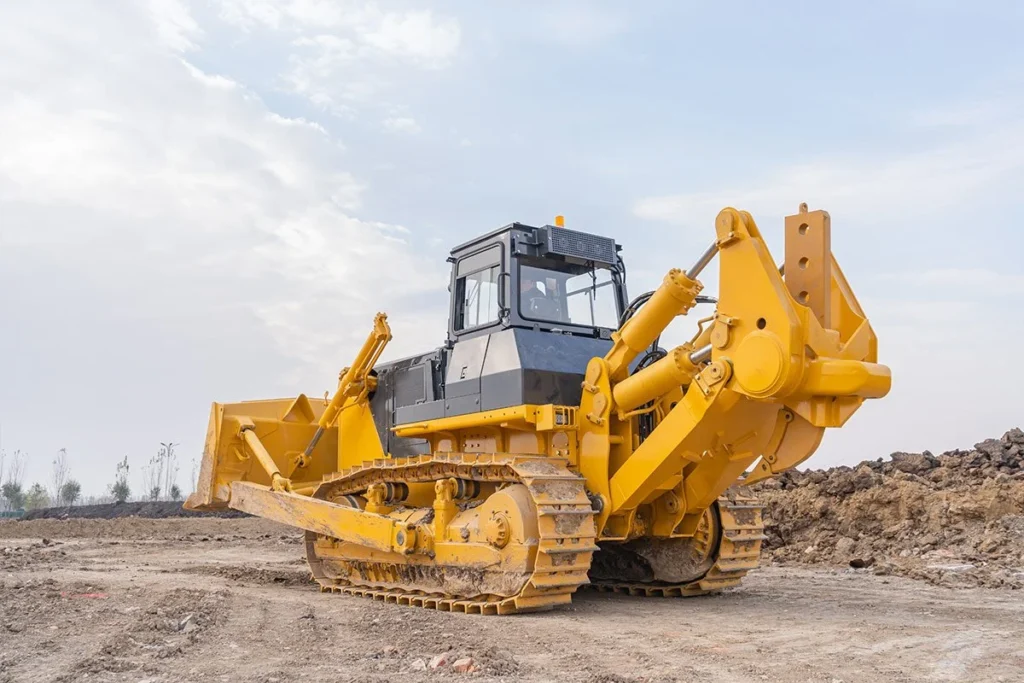
The structural integrity of the HW32D Bulldozer is another key differentiator. It is built upon an exceptionally strong chassis and mainframe that is designed to absorb the high stresses associated with heavy dozing and aggressive ripping. This robust construction is essential for machine longevity and reduced maintenance frequency in demanding environments. Furthermore, the design incorporates strategic weight distribution, which optimizes track-to-ground contact and minimizes slippage, thereby maximizing the usable pushing power. The adaptability of the HW32D Bulldozer is enhanced by its ability to accommodate various specialized attachments, confirming its role as a flexible workhorse in any large-scale project.
Focusing on Performance: Key Features of the HW32D Bulldozer
When specifying a heavy dozer, several performance features directly impact its efficiency and overall return on investment. The HW32D Bulldozer incorporates advanced technology and design elements that boost productivity and enhance operator control.
Hydrostatic vs. Power-Shift Transmission
A critical choice in selecting the HW32D Bulldozer often involves the transmission system. A hydrostatic drive system offers excellent maneuverability and infinitely variable speed control, which is superb for fine grading and precision work, and it simplifies the operator’s input. In contrast, a power-shift transmission is renowned for its durability and efficiency in long, straight pushes, often favored in large mining applications where sustained, heavy effort is required. Users must carefully weigh the balance between the need for high-precision finishing versus maximum sustained pushing power based on their primary use case.
Undercarriage Resilience and Track System
The undercarriage of the HW32D Bulldozer is built to sustain massive loads and abrasive materials. It typically employs a sealed and lubricated track system (SALT), which significantly extends the service life of components and reduces noise. The long track frames provide exceptional stability and floatation, which is invaluable when operating on soft or uneven terrain, such as swampy areas or unstable landfill surfaces. Moreover, the machine’s oscillating track frames allow the tracks to contour to the ground, improving traction and delivering a smoother ride for the operator, which helps to maintain high operational speeds and reduces fatigue.
Ripper Configuration and Penetration Force
For breaking up hard, compacted materials like rock or caliche, the ripper system is indispensable. The HW32D Bulldozer supports multi-shank and single-shank rippers. The single-shank configuration offers maximum penetration depth and breakout force, ideal for the toughest rock strata. The hydraulic pitch adjustment feature allows the operator to dynamically adjust the ripper’s attack angle from the cab, optimizing the tool’s performance based on material density. Therefore, for operations involving deep ripping, the power and precision of the HW32D Bulldozer‘s ripper system are unparalleled.
Optimizing Application: Maximizing Value with the HW32D Bulldozer
The true value of the HW32D Bulldozer is realized when it is correctly matched to specific, heavy-duty applications. Its sheer size and power make it the ideal candidate for tasks beyond the scope of smaller machines.
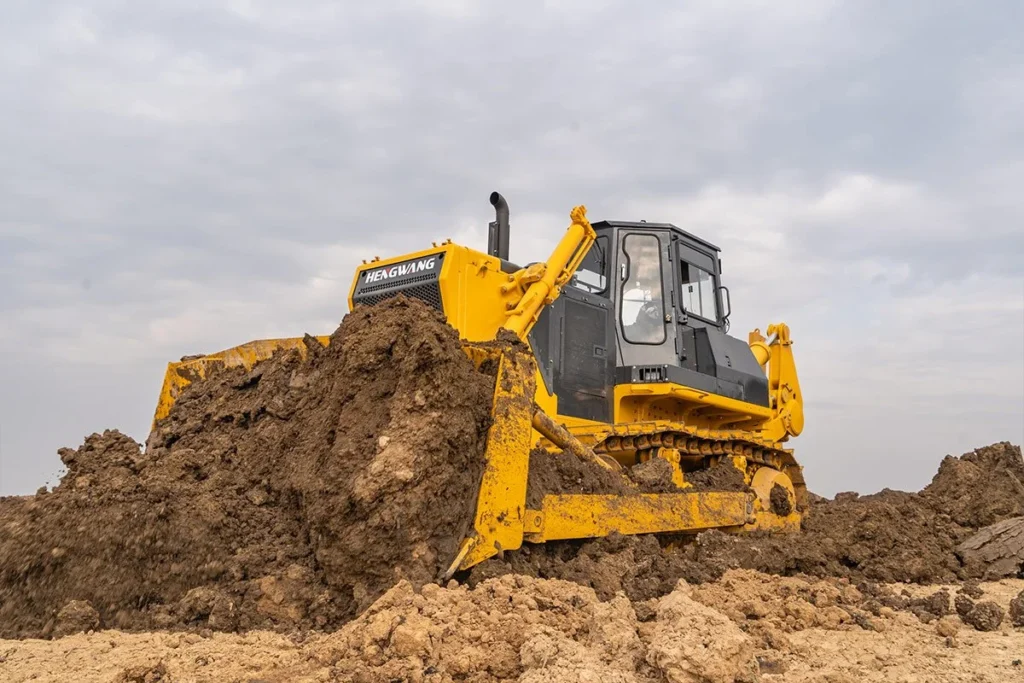
- Mining and Overburden Removal: This is a primary domain for the HW32D Bulldozer. Its high horsepower and substantial blade capacity enable the continuous movement of vast amounts of excavated material, directly impacting the mine’s productivity and cycle times.
- Infrastructure and Dam Construction: For projects requiring the movement and compaction of massive earth and aggregate volumes, such as large highway cuts or the core construction of a dam, the machine’s reliability and pushing force are non-negotiable assets.
- Land Reclamation and Deep Ripping: When preparing challenging terrain for development or agriculture, the deep ripping capability allows for the effective breakup of consolidated materials, preparing the sub-grade for subsequent machinery.
- Large-Scale Land Clearing: In forestry or large property development, the HW32D Bulldozer can efficiently clear large tracts of land, managing vegetation, stumps, and large debris with ease, thereby accelerating the site preparation phase.
Hence, potential buyers should meticulously analyze their project portfolio, identifying the average material density and the required pushing distance. This analysis will guide the selection of the optimal blade configuration (e.g., U-blade for maximum capacity or Semi-U for versatility) and track shoe width for the prevailing ground conditions.
The Long-Term Perspective: Total Cost of Ownership
Investing in the HW32D Bulldozer is a long-term strategic decision, and the focus must shift from the initial purchase price to the Total Cost of Ownership (TCO). A lower TCO is achieved through high fuel efficiency, ease of maintenance, and maximum uptime.
The machine’s advanced electronic monitoring and diagnostic systems facilitate quick identification of potential issues, minimizing unscheduled maintenance. Moreover, the modular design of key components, such as the power train, allows for faster repairs and component replacement, drastically reducing downtime, which is often the biggest cost factor on a job site. Buyers should also evaluate the availability and cost of genuine replacement parts, as high-quality parts are crucial to maintaining the machine’s original performance specifications and reliability over its lifespan. In conclusion, the selection process should prioritize models of the HW32D Bulldozer that offer the most proven track record of durability and the most comprehensive support packages, ensuring that the machine remains a highly productive asset for decades. Choosing the right configuration today will yield significant operational and financial benefits tomorrow.
FAQ
Q1: What are the main differences between the U-blade and the Semi-U blade on the HW32D Bulldozer?
A1: The U-blade (Universal blade) has wings on the sides that angle forward to maximize carrying capacity over long distances, making it ideal for moving large volumes of loose material. The Semi-U blade is narrower with shorter wings, offering a good balance between capacity and penetration for mixed materials and shorter pushes.
Q2: How important is the machine’s ripper system in typical construction work?
A2: The ripper system is extremely important for site preparation where hard ground, rock, or permafrost is encountered. It breaks up the material, making it easier to push and load with the HW32D Bulldozer or other earthmoving equipment, thereby increasing overall efficiency.
Q3: What maintenance considerations should a buyer prioritize for the HW32D Bulldozer?
A3: Buyers should prioritize the undercarriage maintenance, as it is a major operational expense. Regularly monitoring track tension, inspecting rollers, and ensuring the lubrication system is functioning are key. Additionally, regular oil analysis of the engine and hydraulic systems is essential for preventing major failures and maximizing component life.