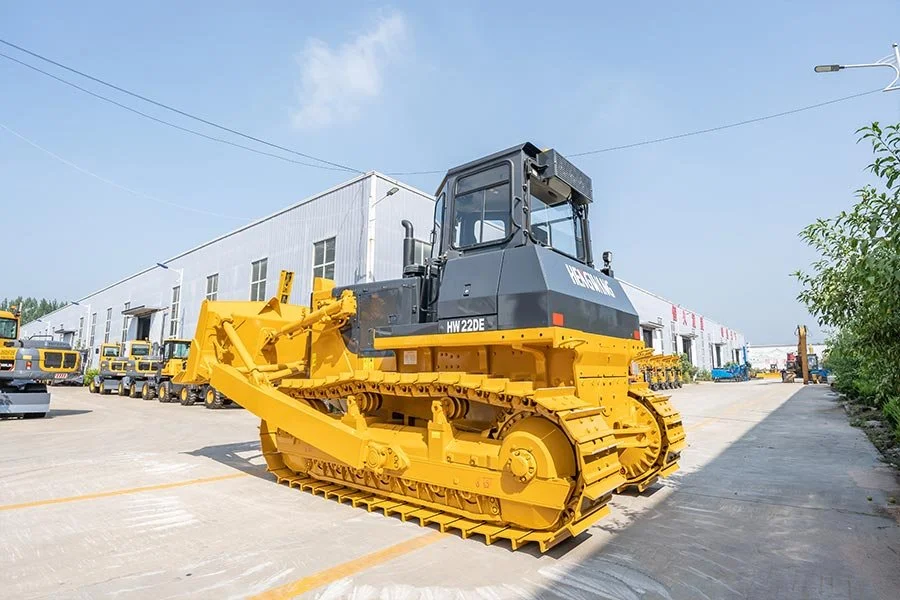
In the challenging and dynamic environment of heavy construction and earthmoving, the selection of the right machinery is a decision that directly impacts project timelines, operational costs, and overall profitability. Among the essential heavy equipment, the bulldozer remains the undisputed workhorse for pushing, grading, and ripping materials. Specifically, the HW22D Bulldozer has emerged as a significant contender in the 220-horsepower class, offering a compelling blend of power, reliability, and advanced technology. For project managers, equipment procurement specialists, and heavy machinery operators, understanding the core specifications and application suitability of the HW22D Bulldozer is fundamentally necessary for making a sound investment. This detailed guide will navigate the crucial factors you must consider to ensure this powerful machine is perfectly matched to your specific operational demands.
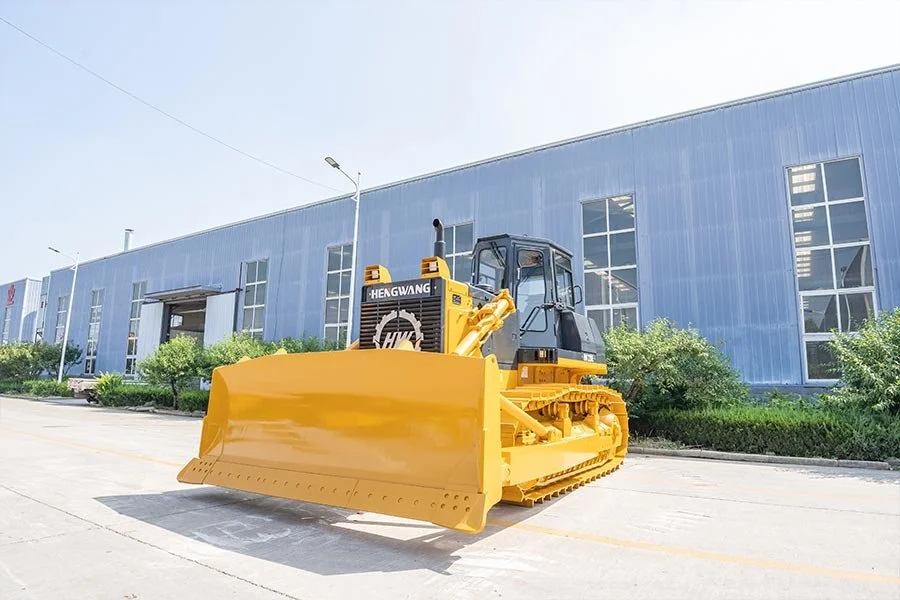
The Foundation of Performance: Analyzing the Core Specifications of the HW22D Bulldozer
Choosing the right bulldozer begins with a meticulous examination of its underlying technical specifications. The HW22D Bulldozer, generally positioned in the medium-to-large utility class, is designed to strike a balance between high tractive effort and operational maneuverability.
At its core, the machine’s performance is defined by its power train. The engine’s output, typically around 220 horsepower, provides the necessary torque and reliability for continuous, heavy-duty pushing operations. Equally important is the transmission system, which must efficiently translate this engine power into tractive force at the tracks. Many modern iterations of the HW22D Bulldozer feature a hydrostatically driven transmission, which offers superior efficiency and precision compared to traditional mechanical systems. Hydrostatic drive allows the operator to maintain continuous power flow to both tracks, even during tight turns, minimizing material spillage and ensuring more consistent dozing. Furthermore, the undercarriage design—including track shoe width and roller configuration—is critical. Selecting the appropriate track shoe for ground conditions (e.g., standard for firm ground, or wider shoes for swampy terrain) significantly affects the machine’s stability and flotation, directly influencing its overall productivity. Therefore, matching these mechanical details to the anticipated work environment is the first step in successful procurement.
Blade Configuration: Tailoring the HW22D Bulldozer to Specific Tasks
The bulldozer’s versatility is largely determined by its blade configuration. The HW22D Bulldozer can typically be fitted with several types of blades, each optimized for different kinds of material handling and earthmoving tasks.
The most common option is the Straight-Tilt (S-Tilt) Blade. This is highly effective for heavy, straight-line dozing and slot dozing, offering maximum penetration for tough materials. However, its limited angle adjustment means it is less effective for side-casting. For projects requiring greater versatility, the Universal (U) Blade or the Semi-U (SU) Blade is often the better choice. The U-Blade, with its large capacity and curved profile, is excellent for moving massive amounts of material over long distances, often used in large-scale reclamation or quarry work. The SU-Blade offers a balance between the pushing power of the S-Blade and the carrying capacity of the U-Blade, making it a versatile standard for general construction. When selecting an HW22D Bulldozer, project managers must analyze the prevalent type of work—be it primary excavation, finish grading, or large-volume moving—to ensure the blade attachment maximizes the machine’s inherent power for the specific job profile.
Rippers and Attachments: Extending the Utility of the HW22D Bulldozer
Beyond the blade, the ability of the HW22D Bulldozer to accept specialized rear attachments, particularly rippers, vastly extends its utility in challenging environments. A ripper, typically a single shank or multiple shanks, is essential for breaking up compacted or cemented materials, frozen ground, or soft rock that is too hard for the blade alone.
Utilizing the ripper effectively requires the bulldozer’s full power and weight to be transferred efficiently to the rear attachment point. The hydraulic controls managing the ripper’s depth and angle must be precise and robust to handle the immense stresses involved in breaking up material. Choosing a multi-shank ripper allows the operator to select the number of shanks based on material density—using more for easier material and fewer, deeper shanks for tougher rock. In addition to rippers, the HW22D Bulldozer’s mounting points can sometimes accommodate specialized winches or towing equipment, adding logistical value on remote sites or steep grades. Therefore, the decision to invest in specific attachments should be driven by the anticipated ground conditions and the need for ground preparation before the primary dozing work begins.
Operator Comfort and Technology: Enhancing Efficiency and Safety
In modern heavy equipment, operator comfort and integrated technology are no longer luxuries; they are fundamental components of operational efficiency. A fatigued operator is a less productive and potentially less safe operator. The cabin design of the HW22D Bulldozer must be assessed for features that minimize vibration, reduce noise levels, and provide excellent all-around visibility, particularly to the blade and the ripper tip.
Modern HW22D Bulldozer models are increasingly integrating advanced control technologies, such as GPS-based grade control systems. These systems provide real-time, high-precision guidance to the operator, allowing for quicker and more accurate final grading passes, minimizing rework and fuel consumption. Investing in a machine equipped with these technologies reduces reliance on manual staking and surveying, significantly boosting project speed and quality. Furthermore, essential safety features, including ROPS (Roll-Over Protective Structures) and FOPS (Falling Object Protective Structures), must meet international standards. The commitment to a machine that prioritizes both technological efficiency and operator well-being is a sign of a responsible and profitable construction operation.
Conclusion: Making a Strategic Investment in the HW22D Bulldozer
To conclude, selecting the right HW22D Bulldozer is a strategic decision that requires careful evaluation beyond just the horsepower rating. Success in the field depends on a comprehensive assessment of the core mechanical components (engine, transmission, and undercarriage), the suitability of the blade configuration for the primary task, the necessity of specialized attachments like rippers, and the integration of modern technology and operator safety features. By aligning the machine’s technical capabilities with the specific demands and constraints of the project site, construction professionals can maximize the inherent power and efficiency of the HW22D Bulldozer, thereby ensuring the project’s success and providing excellent long-term return on investment.
Frequently Asked Questions (FAQ)
Q: What does the “D” typically signify in the HW22D Bulldozer model name?
A: While specific naming conventions vary by manufacturer, the “D” often indicates a particular generation, design series, or a key feature upgrade (such as an updated engine or transmission) within the 220-horsepower class. Always consult the official specifications for the exact meaning.
Q: Is the hydrostatic transmission on the HW22D Bulldozer better for all types of dozing?
A: Hydrostatic transmissions are generally preferred for fine grading and maneuverability because they allow for precise speed and direction control, enabling superior turning efficiency. However, in certain extreme, long-haul pushing applications, a traditional mechanical drive may offer slightly higher peak tractive effort, making the choice dependent on the project’s main requirement.
Q: How often should the undercarriage of the HW22D Bulldozer be inspected?
A: The undercarriage is the most costly wear component. It should be inspected daily for loose bolts and major damage, and a detailed wear measurement should be performed monthly or every 250 operating hours, depending on the severity of the terrain, to predict and manage the life cycle of the tracks, rollers, and sprockets.