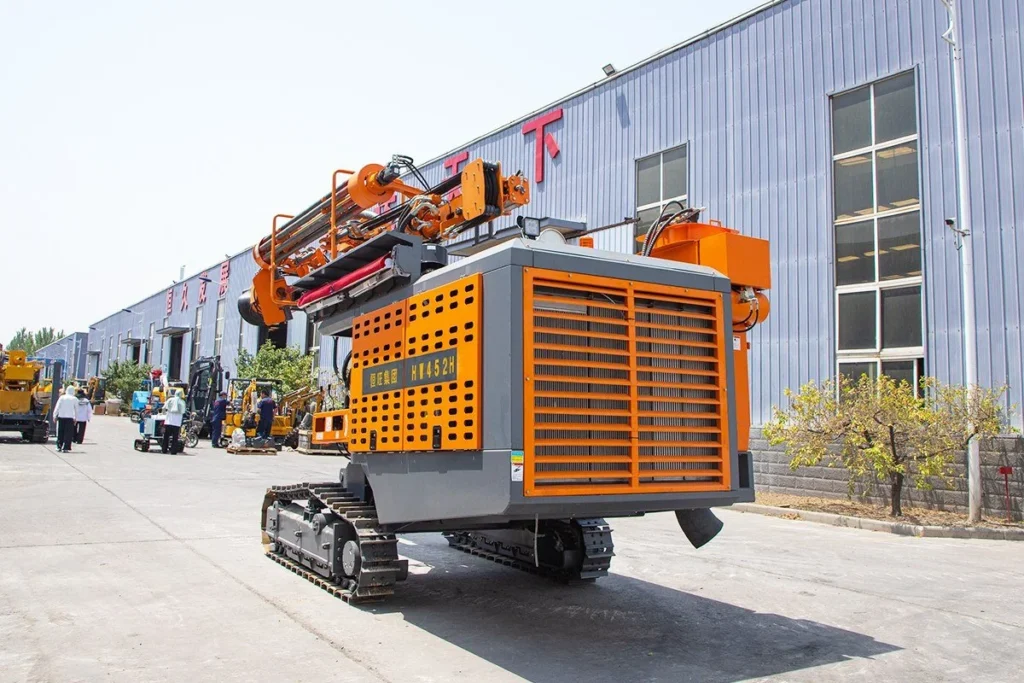
In the demanding world of engineering and construction, particularly in quarrying, mining, and large-scale infrastructure projects, the bedrock of successful operation lies in efficient and reliable rock drilling. The HW452H DTH Surface Drill Rig stands out as a core piece of engineering machinery designed to tackle challenging terrain and hard rock formations. This down-the-hole (DTH) surface drill rig is engineered to deliver high-impact power and deep drilling capacity, making it indispensable for creating blast holes or pre-split holes with consistent diameter and precision. For managers and operators in the engineering sector, the decision is not just about purchasing a machine, but selecting a precise tool that aligns perfectly with operational scale, geological conditions, and long-term efficiency goals. Therefore, understanding the specific technical capabilities and features of the HW452H DTH Surface Drill Rig is the first critical step toward optimizing site performance and maximizing return on investment.
Unpacking Performance: Key Technical Specifications of the HW452H
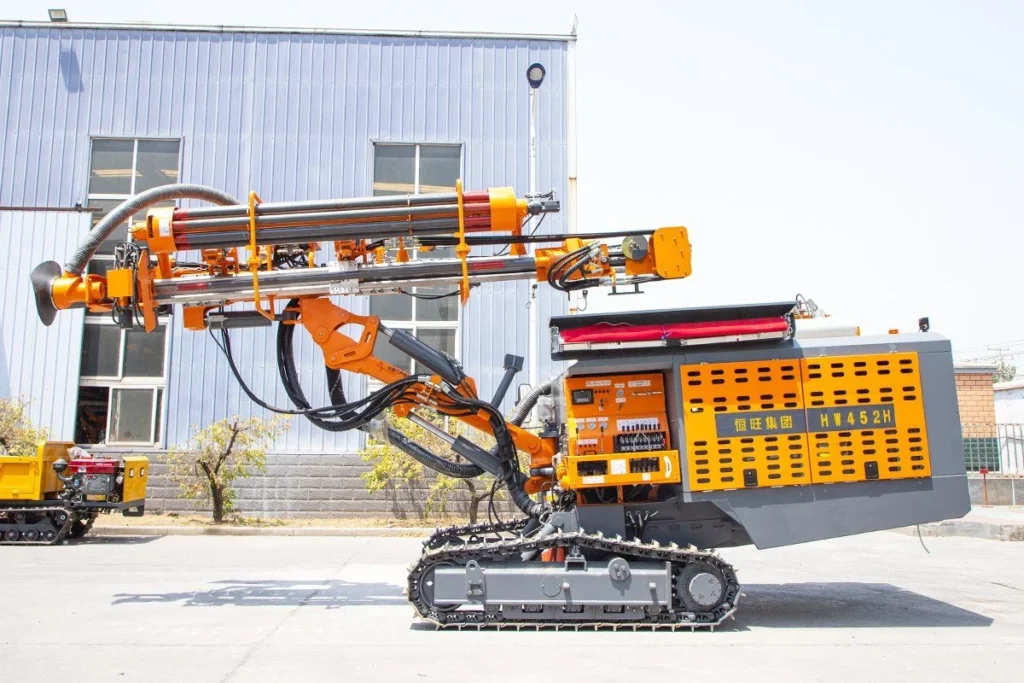
To make an informed selection, project managers must deeply analyze the technical prowess that defines the HW452H DTH Surface Drill Rig. To begin with, the power source and drilling capacity are fundamental. This rig is typically equipped with a robust diesel engine, carefully matched to a high-capacity air compressor. The synergy between the engine and compressor is crucial, as it provides the necessary air volume and pressure to drive the DTH hammer deep into the rock, minimizing drilling time per meter. High air pressure is non-negotiable for rapid penetration in hard rock and for efficiently flushing cuttings out of the bore hole.
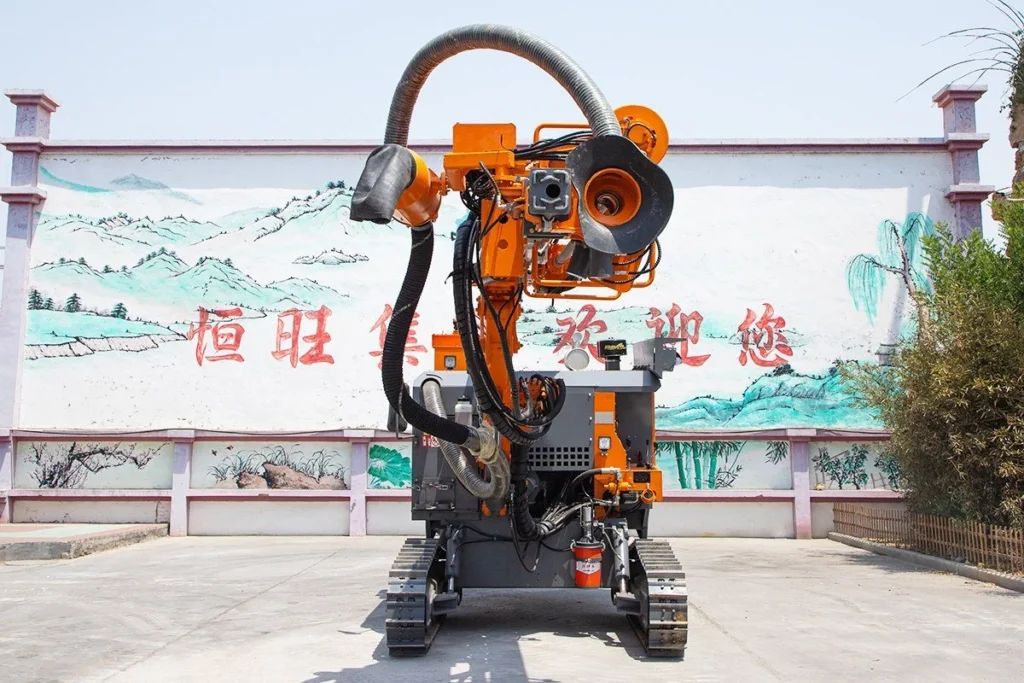
Furthermore, the feed and rotation systems are pivotal to its efficiency. The HW452H DTH Surface Drill Rig utilizes a hydraulic system designed to deliver smooth and adjustable feed force. This precise control allows operators to maintain optimal pressure on the DTH hammer, preventing bit bounce and ensuring straight, uniform holes. In addition, the rotation speed is also hydraulically controlled, enabling the rig to adapt to varying rock hardness—a slower rotation is often better for extremely hard formations, while faster speeds might suit softer strata. Consequently, the rig’s robust track frame and superior leveling ability allow it to operate safely and effectively on uneven terrain, a common challenge encountered in surface drilling applications. These integrated technical features underscore its design philosophy: combining powerful impact with precise control.
Operational Efficiency: Maximizing Throughput and Minimizing Cost
The true measure of any engineering machinery lies in its operational efficiency—how much work it can perform reliably over time while keeping costs down. The design of the HW452H DTH Surface Drill Rig specifically addresses several pain points related to throughput and maintenance. Crucially, its drilling speed and penetration rate directly translate into faster project completion times. High-impact energy and effective hole cleaning mean less time spent on each blast hole, allowing the entire quarry or construction sequence to move more quickly.
Moreover, maintenance access and component durability significantly impact the total cost of ownership. The HW452H DTH Surface Drill Rig is designed with easily accessible maintenance points, simplifying routine checks and fluid changes, which minimizes downtime. The reliance on high-quality hydraulic components and a heavy-duty drill boom ensures longevity even under severe operating conditions. Therefore, when choosing the right rig, the robustness of the components—the air compressor, the hydraulic pump, and the tracks—should be scrutinized, as these dictate the machine’s reliability in remote job sites. Ultimately, selecting a high-performing HW452H DTH Surface Drill Rig means investing in a machine that promises predictable output and manageable operating expenses over its operational life.
Site-Specific Selection Criteria: Matching the Rig to the Geotechnical Environment
A successful selection process for the HW452H DTH Surface Drill Rig requires a careful assessment of the intended working environment. One rig cannot perfectly suit every geological condition. For example, sites dominated by highly fractured rock may require greater flexibility in boom positioning and feed control to prevent jamming, a feature the HW452H’s advanced boom articulation can accommodate. For deep holes, the rod handling system’s capacity and automation level become crucial; a semi-automatic rod changer significantly reduces operator fatigue and improves safety.
Furthermore, environmental factors, such as high altitude or extreme temperatures, must influence the final configuration. Engine power derating is a reality at high altitudes, and the machine chosen must have sufficient reserve power to maintain compressor efficiency under those conditions. In addition, dust suppression systems, which are increasingly required by environmental regulations, should be factored into the rig’s specification. Consequently, the most effective choice of HW452H DTH Surface Drill Rig is achieved through a consultative process, ensuring the rig’s specific features—from its dust collection system to its tramming speed—are optimized for the unique challenges presented by the project site. This thoughtful approach guarantees that the machinery is an asset rather than a limiting factor.
Ensuring Long-Term Investment: Service, Support, and Operator Training
The selection process for a major piece of engineering machinery like the HW452H DTH Surface Drill Rig should extend beyond the physical machine itself to include the manufacturer’s commitment to support. Initially, the availability of parts is paramount; even the most reliable rig will require scheduled maintenance, and long waits for critical components can cripple an operation. Therefore, assessing the supplier’s global parts distribution network and local service presence is an essential part of the investment decision.
Moreover, proper operator training is vital to unlocking the full potential of the HW452H DTH Surface Drill Rig. A well-trained operator can optimize drilling parameters, diagnose minor issues before they become major failures, and maintain the machine to factory specifications. Manufacturers who offer comprehensive training programs and detailed operational manuals add significant long-term value. Ultimately, choosing the right HW452H DTH Surface Drill Rig is a holistic process—it means finding the machine that offers the best blend of technical capability, operational efficiency, and reliable aftermarket support, thereby securing a high-performing and sustainable solution for future engineering projects.
Frequently Asked Questions (FAQ)
Q1: What is the main difference between a DTH surface drill rig like the HW452H and a top-hammer rig?
A: The key difference lies in where the drilling force is generated. In the HW452H DTH Surface Drill Rig, the hammer (the impact mechanism) is located directly behind the drill bit, down the hole. This maximizes energy transfer and is highly efficient for drilling deeper, larger diameter holes in hard rock formations. A top-hammer rig uses a hammer located on the surface.
Q2: How does the air compressor’s capacity impact the performance of the HW452H DTH Surface Drill Rig?
A: The air compressor’s capacity (volume and pressure) is absolutely critical. It powers the DTH hammer, driving the drill bit into the rock. Insufficient air pressure or volume will drastically reduce the penetration rate, especially in dense rock, and will hinder the effective removal of rock cuttings, leading to slower drilling and increased wear on the bit.
Q3: What factors should I consider when assessing the rod handling system on the HW452H DTH Surface Drill Rig?
A: Assess the system’s capacity (how many rods it can carry) and its level of automation. An automated rod handling system significantly increases safety by keeping the operator away from the drill string and speeds up the drilling process by reducing the time required to add or remove drill rods, which is essential for deep-hole projects.