In the demanding environment of modern civil engineering, quarrying, and open-pit mining, the efficiency of the drilling phase is the single most critical factor determining overall project profitability and timeline adherence. Surface drilling forms the foundation for blasting, excavation, and subsequent construction or mineral extraction. Therefore, the choice of drilling equipment is a major capital decision for engineering product users. Among the powerful solutions available, the HW938 Integrated DTH Surface Drill Rig stands out as a highly specialized and robust machine, designed to tackle the toughest rock formations with remarkable precision and speed. The term “integrated” is key, signaling a machine where the critical components—the drill, the power unit, and the air compressor—are built into a single, cohesive unit, optimizing both footprint and energy transmission.
For engineering and construction professionals, the challenge lies not merely in purchasing a drill rig, but in selecting and optimizing the configuration of the HW938 Integrated DTH Surface Drill Rig to perfectly match the unique geology, production targets, and logistical constraints of their specific site. This rig is engineered for efficiency, offering superior penetration rates and reduced operating costs compared to non-integrated or separate compressor setups. This article will provide a detailed, professional guide to understanding the core technological features of the HW938 and outlining the strategic considerations necessary for maximizing its value and performance on your project site.
Understanding the Core Technology of the HW938 Integrated DTH Rig
The effectiveness of the HW938 Integrated DTH Surface Drill Rig is rooted in the Down-The-Hole (DTH) drilling method combined with its integrated design philosophy. DTH drilling utilizes a high-pressure hammer located directly behind the drill bit, transferring impact energy efficiently into the rock face. This mechanism is particularly effective in hard, abrasive, and fractured rock formations where rotary drilling struggles.
The Power of Integration: Compressor and Engine Synergy
The defining feature of the HW938 is the seamless integration of its high-pressure screw air compressor directly into the machine’s chassis, powered by the main engine. This architecture yields significant advantages over traditional setups where the compressor is a separate, trailing unit.
Firstly, integration minimizes energy loss. By eliminating long air hoses and reducing transfer points, the compressed air reaches the DTH hammer at maximum pressure and volume, directly increasing the hammer’s impact energy and boosting the overall drilling penetration rate. Secondly, the integrated design optimizes the power-to-air ratio. The engine, often a high-performance diesel unit, is meticulously tuned to match the compressor’s demand and the hydraulic system’s needs, ensuring fuel is used with maximum efficiency. This sophisticated synergy translates directly into lower fuel consumption per meter drilled—a significant operating cost reduction that is vital for competitive bidding in the engineering sector.
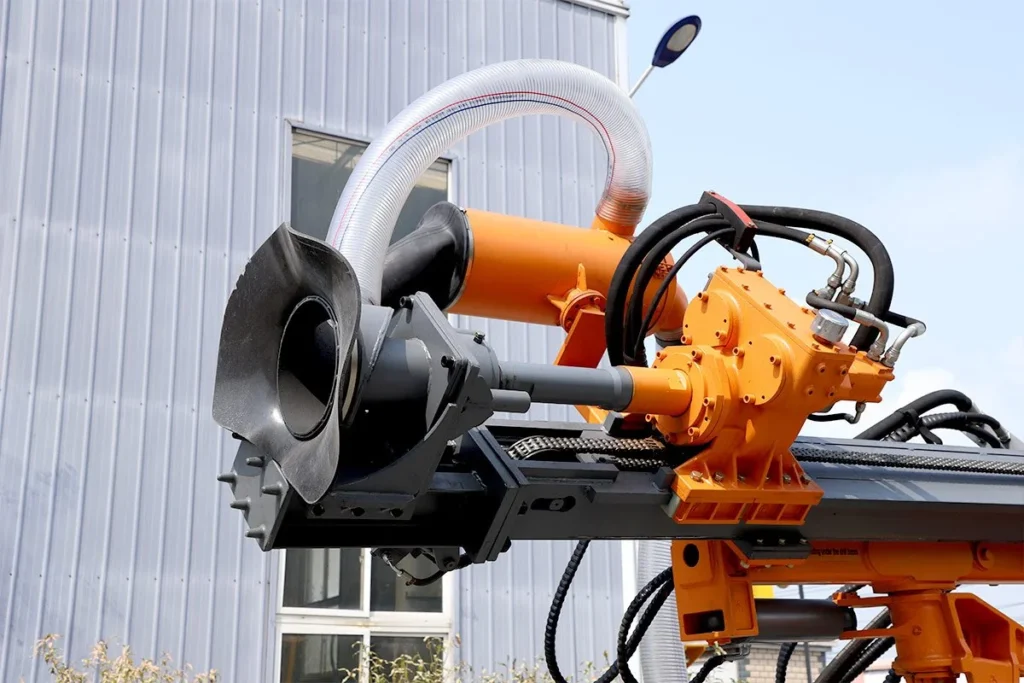
The high-pressure air supply is crucial for efficient debris removal. The air not only powers the DTH hammer but also rapidly flushes the cuttings out of the bore hole, preventing the bit from re-drilling material and maintaining an optimal drilling pace. The ability of the HW938 Integrated DTH Surface Drill Rig to maintain high pressure and airflow is a hallmark of its design and performance capability.
Key Performance Metrics and Features for Selection
When assessing the suitability of the HW938 Integrated DTH Surface Drill Rig for a specific project, engineering users must focus on several core technical metrics and structural features that dictate real-world performance.
Drill Hole Diameter and Depth Capability
The operating envelope of the HW938 must align precisely with your blasting plan. This includes its maximum achievable hole diameter and its depth capacity. The rig’s design is optimized for specific drill pipe sizes and DTH hammer diameters. Choosing a rig that operates within its sweet spot—the diameter and depth range where it achieves the highest penetration rate—ensures cost efficiency. For example, selecting a rig capable of 150mm diameter holes when the requirement is only 102mm may mean unnecessary over-specification and higher capital outlay. Conversely, pushing a rig to its absolute maximum depth rating can slow down cycle times due to increased flushing demands and pipe handling complexity.
Tramming Capability and Stability
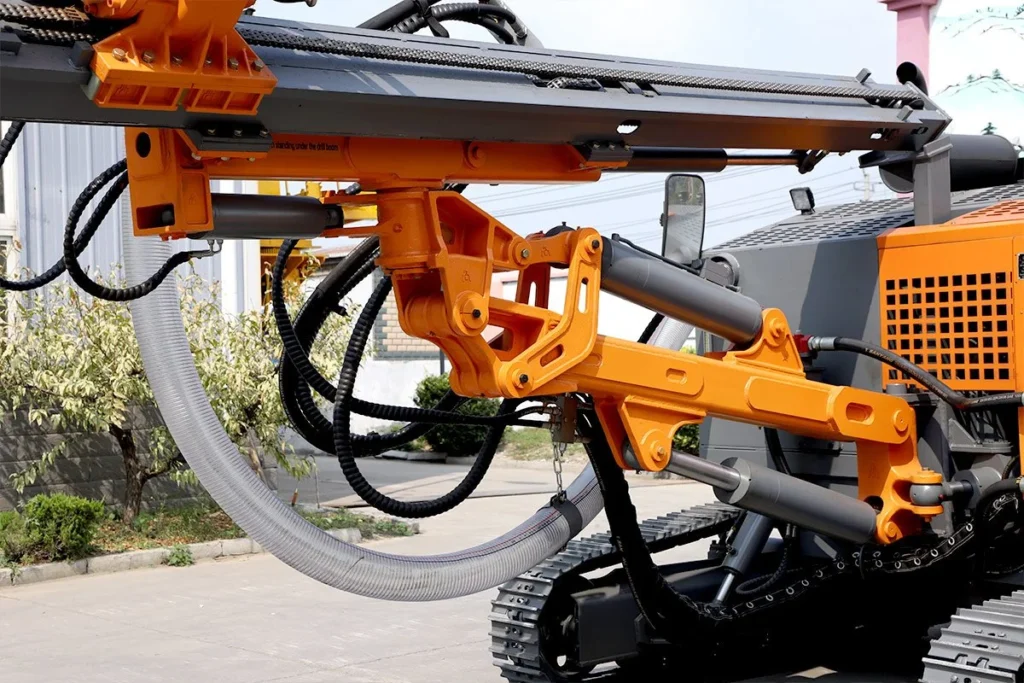
Surface mining and quarrying sites are inherently challenging, featuring uneven terrain and steep inclines. The HW938 Integrated DTH Surface Drill Rig utilizes a robust track system that provides superior tramming (movement) capability. The power of the tramming motors, the ground clearance, and the stability of the chassis—often featuring a low center of gravity—are essential. A highly maneuverable and stable rig ensures safety on challenging slopes and minimizes the time spent repositioning the machine between holes, thereby increasing the overall time the hammer spends drilling, which is known as utilization rate. Look for features such as automatic leveling systems that enhance stability during drilling setup.
Dust Suppression and Environmental Controls
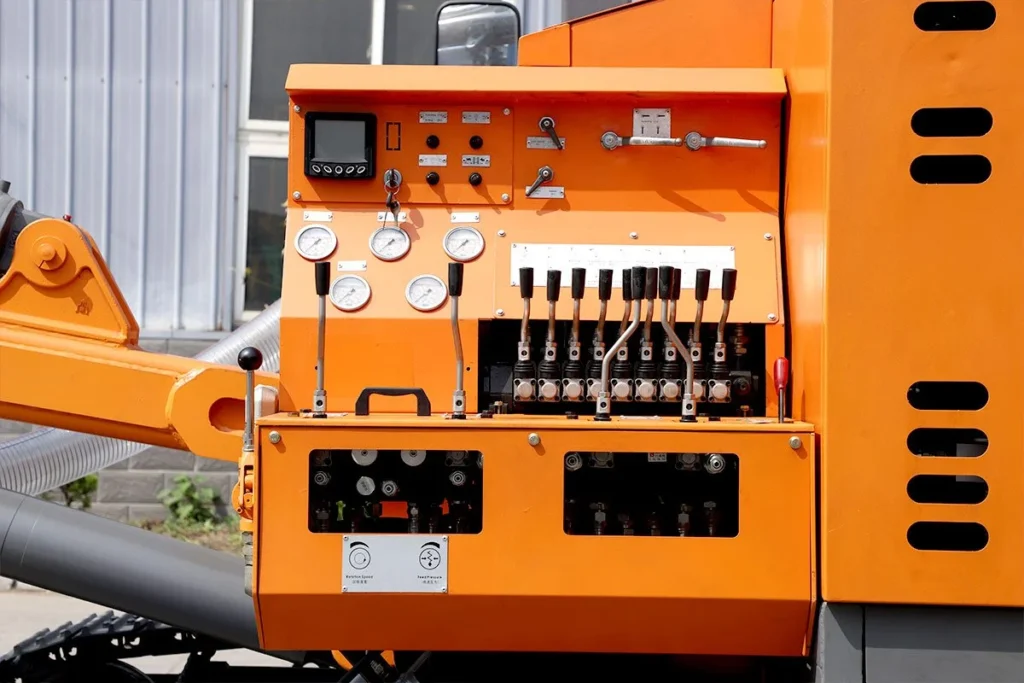
Modern environmental regulations and responsible operational practices require effective dust management. The HW938 typically incorporates advanced dust collection systems that capture rock cuttings and fine dust generated during the drilling process. These systems are usually cyclonic or wet dust collectors that maintain clean air quality for the operator and the surrounding environment. The performance of the dust collector is a non-negotiable factor, especially in locations close to urban areas or where silica dust poses a health hazard. A reliable dust suppression system directly contributes to the rig’s compliance and its ability to operate continuously under strict environmental codes.
Optimizing Operation: Maintenance and Data Management
The long-term value proposition of the HW938 Integrated DTH Surface Drill Rig extends far beyond its initial purchase price and drilling speed; it depends heavily on proactive maintenance and effective utilization of operational data.
Proactive Maintenance and Serviceability
Downtime is the most expensive variable in drilling operations. The integrated design of the HW938 prioritizes serviceability. Key maintenance points, such as the air filter, fluid tanks, and the engine compartment, are typically designed for easy access. The longevity of the DTH hammer and drill bits—the wear parts—is directly linked to the quality of the compressed air and the consistency of the rotation speed and feed force delivered by the rig. Regular preventative maintenance, following the manufacturer’s specifications for oil and filter changes, is crucial. Moreover, the cartridge design of the air compressor often allows for quick repair or replacement of core components, minimizing the length of service interruptions.
The Value of Digital Integration and Telematics
The modern HW938 Integrated DTH Surface Drill Rig is equipped with advanced telematics systems. These systems collect and transmit crucial operational data in real-time, including fuel consumption rates, engine load, drilling penetration rates, and component temperatures. For the engineering user, this data is invaluable for informed decision-making. By analyzing this data, managers can:
- Identify Inefficiencies: Pinpoint operators or shifts where fuel consumption is higher or penetration rate is lower than the benchmark.
- Optimize Blasting Patterns: Use actual penetration rates to refine the spacing and burden of the blast holes, maximizing fragmentation and reducing secondary breaking costs.
- Predict Maintenance Needs: Detect early warning signs of component wear, such as increased engine load for the same output, allowing maintenance to be scheduled before catastrophic failure occurs.
Utilizing the digital capabilities of the HW938 transforms reactive site management into a proactive, data-driven operation, which ultimately enhances safety and overall productivity.
Strategic Considerations for Maximum ROI
When selecting the HW938 Integrated DTH Surface Drill Rig, a final strategic assessment should encompass the total cost of ownership (TCO) over the planned lifecycle of the equipment.
The higher initial capital cost of an integrated rig is often justified by its significantly lower operating costs (fuel efficiency) and higher uptime. The decision should align with the long-term project requirements and the company’s commitment to efficiency. The value of this rig is realized through its ability to maintain consistent performance in challenging conditions, a crucial factor when bidding on large-scale, time-sensitive infrastructure projects.
Ultimately, the choice of the correct HW938 Integrated DTH Surface Drill Rig configuration involves a deep understanding of your rock mass, your production rate requirements, and your operational budget. A rig that is optimally selected and maintained delivers superior penetration, maximizes fuel efficiency, and ensures compliance with environmental standards, establishing a competitive advantage in the engineering and mining sectors.
Frequently Asked Questions (FAQ)
Q1: What does “Integrated DTH Surface Drill Rig” mean for site operations?
A: “Integrated” means the high-pressure air compressor is built into the same chassis as the engine and hydraulic drilling mechanism. This configuration eliminates the need for a separate compressor, resulting in a smaller footprint, better energy transfer (higher air pressure/volume at the hammer), and enhanced fuel efficiency per meter drilled.
Q2: How does the HW938 handle different rock types and hardness levels?
A: The DTH (Down-The-Hole) technology used by the HW938 Integrated DTH Surface Drill Rig is highly effective across a wide range of hard and fractured rock types. It utilizes a high-impact hammer force to break the rock, which is generally more efficient than rotary drilling in hard rock formations. The bit design (e.g., dome, ballistic, or conical buttons) is often changed to match the specific rock abrasiveness and hardness.
Q3: What maintenance practice is most critical for the HW938’s DTH system?
A: The most critical practice is ensuring the quality and pressure of the compressed air. This involves regular inspection and replacement of the air filters, as fine dust contamination can damage the DTH hammer and the drill rig’s compressor unit. Proper lubrication of the hammer (rock drill oil) is also essential for longevity and optimal impact power.