In my years analyzing construction equipment fleets, few machines offer the Return on Investment (ROI) of a compact loader. A skid steer loader is often the backbone of commercial projects due to its unmatched power-to-weight ratio. You are likely evaluating whether this specific machine category can handle your current operational demands efficiently.
How Does a Skid Steer Loader Work in Tight Spaces?
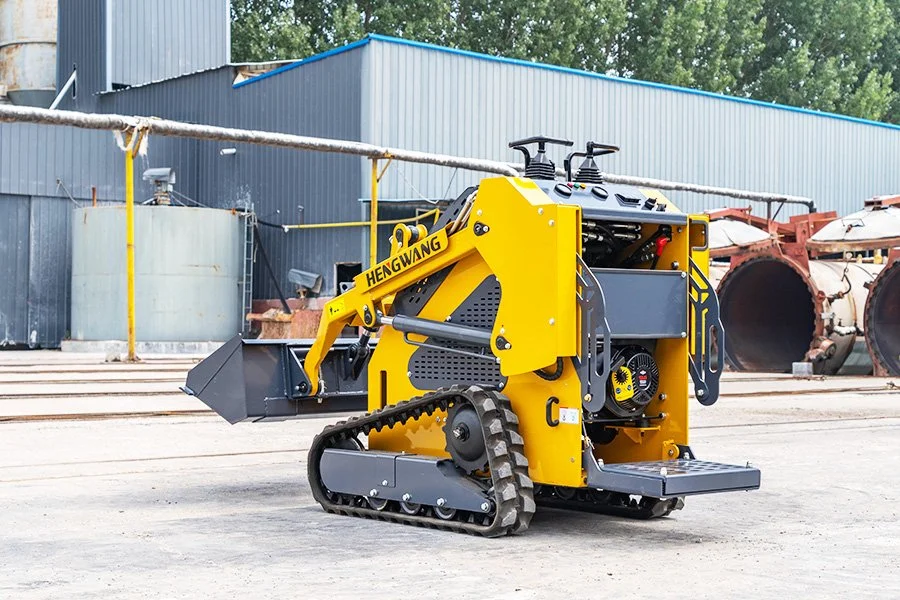
To understand the value of this machine, you must understand its unique steering mechanism. Unlike standard trucks, the wheels on a skid steer loader do not turn. Instead, the left and right drive wheels operate independently of each other.
By applying power to one side while braking the other, the machine “skids” to turn. This allows the loader to rotate within its own footprint, known as a zero-radius turn. This capability is critical for B2B contractors working in confined urban environments or crowded interior demolition sites.
The engine powers hydraulic pumps rather than a traditional transmission. These pumps drive the wheel motors and the lift arms simultaneously. This hydraulic efficiency ensures that even a small skid steer loader delivers substantial breakout force.
What Is a Skid Steer Loader Used For in Commercial Projects?
Commercial buyers do not purchase these machines just to move dirt. The primary value proposition lies in attachment versatility . A single loader can replace multiple dedicated machines on a job site.
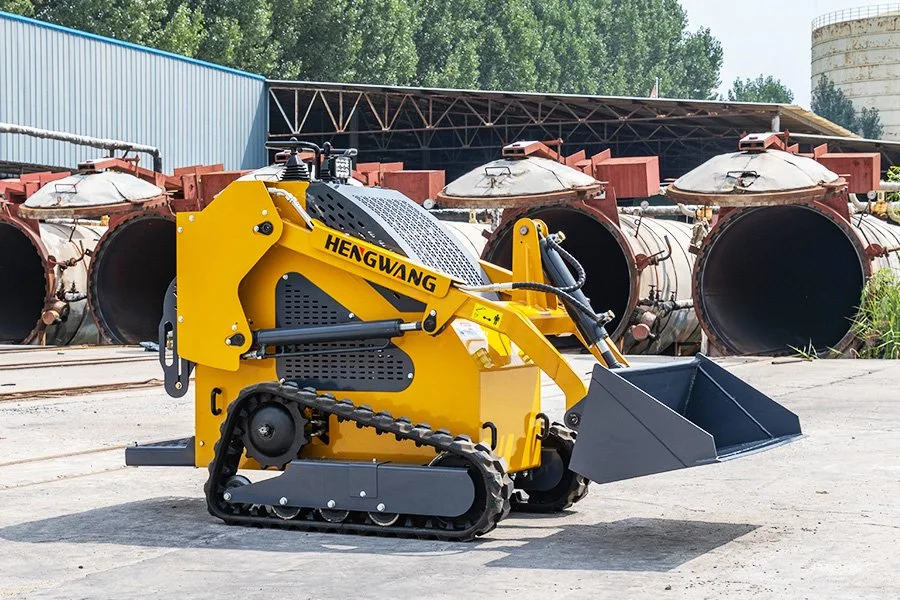
Heavy Construction and Grading
Contractors use these loaders for final grading and backfilling. The rigid frame allows for precise control when spreading topsoil or gravel. With a bucket attachment, it efficiently handles material transport over short distances.
Demolition and Excavation
Equipped with a hydraulic breaker, a skid steer becomes a mobile demolition unit. It can break up concrete pads and immediately switch to a bucket to clear the debris. This rapid transition reduces downtime between project phases.
Landscape and Snow Removal
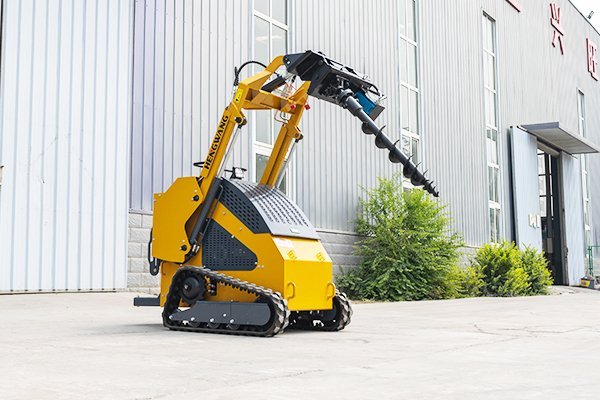
For seasonal versatility, operators attach augers for digging post holes or planting trees. In winter, snow blowers or pushers turn the loader into a snow removal asset. This year-round utility is essential for justifying the capital expenditure.
Choosing Between Large and Small Skid Steer Loaders
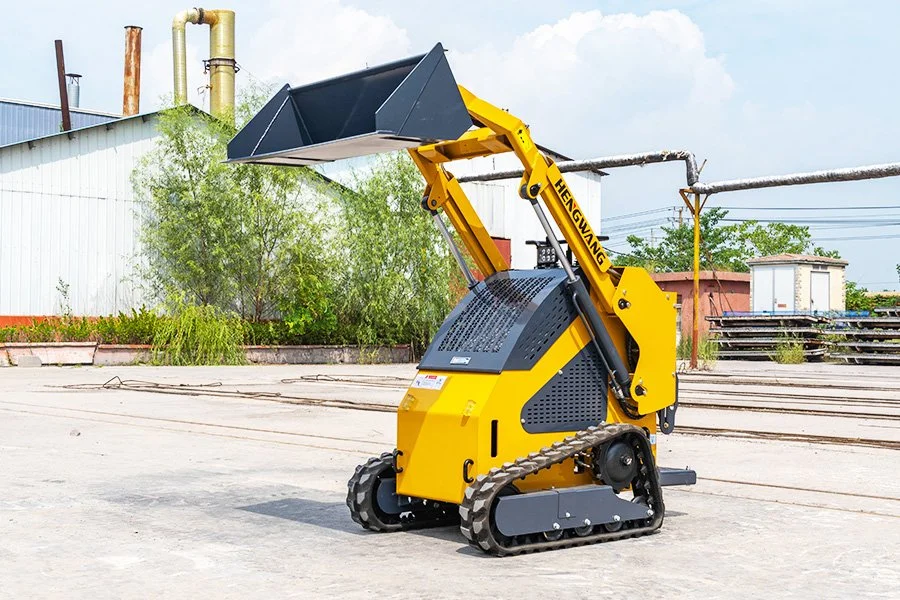
Selecting the correct size is a balance between lift capacity and site accessibility.
A small skid steer loader is ideal for interior work or residential backyards with narrow gate access. These units typically have a lower Rated Operating Capacity (ROC) but exert less ground pressure. They are easier to transport between sites using standard trailers.
Conversely, larger models offer higher hydraulic flow rates. High-flow hydraulics are necessary for power-hungry attachments like planers or trenchers. B2B users must calculate the weight of their heaviest intended load before selecting a frame size.
Evaluating Specs: How to Judge the Right Machine
When I advise clients on procurement, I focus on the hydraulic system and engine reliability. The raw horsepower is less important than the hydraulic flow (gallons per minute). This metric dictates how well the machine performs under load.
You should also evaluate the lift path design. A vertical lift path provides more reach at full height, which is crucial for loading dump trucks. A radial lift path offers better digging leverage at ground level.
Reliability is the final factor in the decision matrix. Equipment downtime destroys project margins. For example, robust models like the HW-T360 Skid Steer Loader prioritize component accessibility and structural durability. When comparing options, look for machines that allow easy access to daily checkpoints to ensure consistent uptime.
Summary
A skid steer loader is a capital investment that pays off through versatility and maneuvering speed. By matching the Rated Operating Capacity and hydraulic flow to your specific attachments, you ensure operational efficiency. Prioritize machines that balance power with maintenance accessibility.
FAQ
1. What is the difference between a skid steer and a track loader?
A skid steer uses wheels and excels on hard surfaces like concrete, while a track loader uses rubber tracks for better flotation on soft ground or mud.
2. How much weight can a skid steer loader lift?
Lift capacity varies by model, typically ranging from 700 lbs for small units to over 3,500 lbs for large commercial models.
3. Can a skid steer loader operate on steep slopes?
Skid steers can operate on slopes, but you must avoid steep grades due to a higher center of gravity compared to other machinery.
4. How often does a skid steer require maintenance?
Commercial usage typically requires daily fluid checks and a full service (oil and filters) every 250 to 500 operating hours.
Reference Sources
Occupational Safety and Health Administration (OSHA)
https://www.osha.gov/etools/skid-steer-loader
Association of Equipment Manufacturers (AEM)
ISO 7131:2009 (Earth-moving machinery — Loaders — Terminology and commercial specifications)