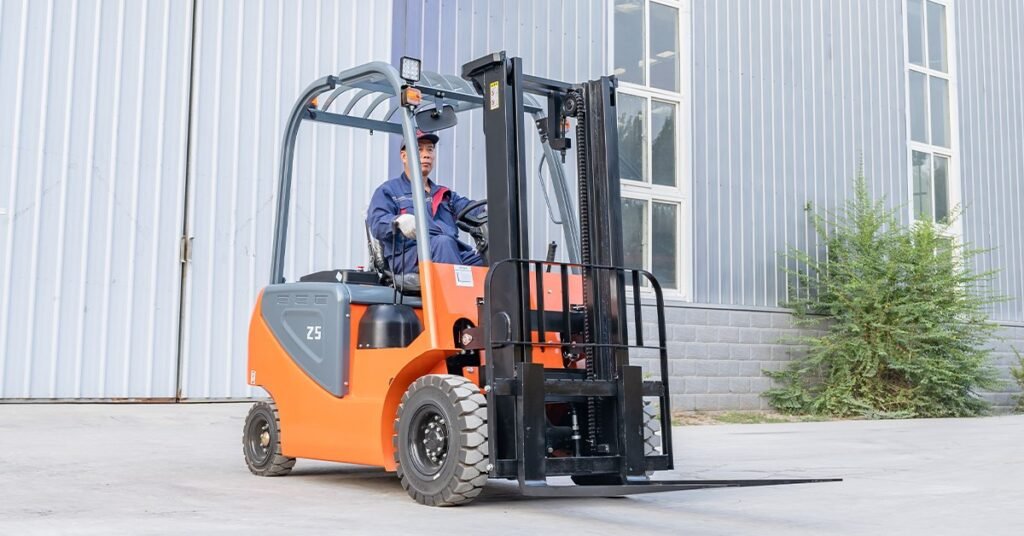
I understand the pressure facility managers face when expanding their material handling fleets. You need equipment that balances raw power with operational efficiency. A diesel forklift remains the standard for outdoor, heavy-duty applications. However, selecting the right unit requires more than just checking the price tag. I will guide you through the technical criteria needed to make an informed B2B purchasing decision.
Why Choose Internal Combustion for Heavy Operations?
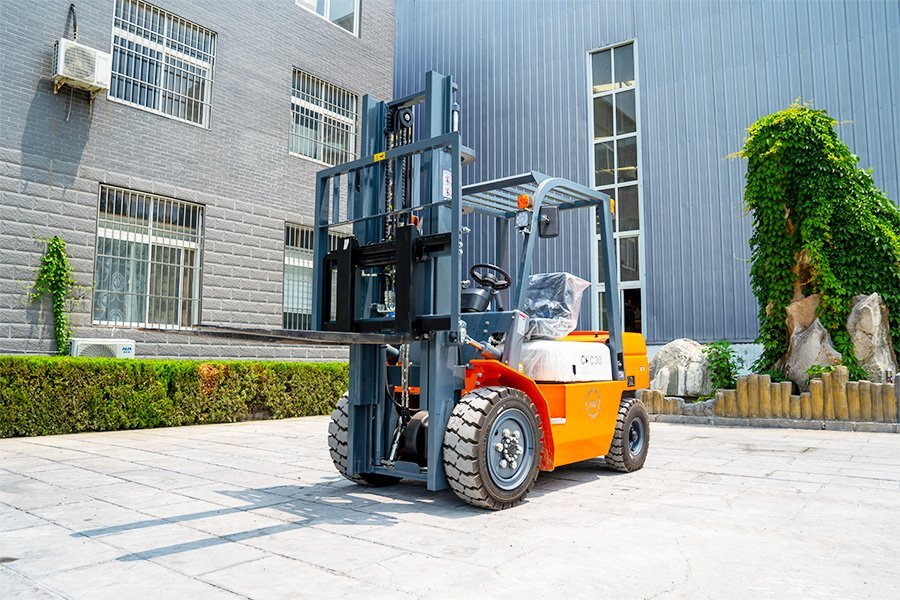
In my experience with industrial equipment, the power source dictates the application. Electric trucks are excellent indoors, but they struggle with gradeability on rough terrain. A diesel forklift for sale attracts buyers who need sustained high torque.
According to the Industrial Truck Association (ITA), Class 5 lift trucks (Internal Combustion Pneumatic Tire) are designed specifically for these environments. The internal combustion engine provides consistent power throughout the shift. You do not experience the voltage drop common in aging batteries.
Furthermore, diesel engines offer rapid refueling capabilities. A standard tank refill takes less than five minutes. This minimizes downtime during multi-shift operations in ports, lumber yards, or construction sites.
Analyzing the 3.5 Ton Capacity Requirement
Many buyers specifically search for a 3.5 ton diesel forklift for sale. This capacity class hits a “sweet spot” for general logistics. It handles more than standard pallet loads but remains compact enough for reasonable maneuvering.
However, you must understand the concept of the “Load Center.” ISO standards (specifically ISO 22915) dictate that stability is calculated based on a specific load center distance. Usually, this is 500mm or 600mm from the fork face.
If your load is longer than standard dimensions, the lifting capacity decreases. I always advise clients to calculate their maximum load dimensions before finalizing a purchase. Do not assume a 3.5-ton truck can lift 3.5 tons at any height or length. You must consult the manufacturer’s load chart strictly.
Critical Specs for New Diesel Forklifts
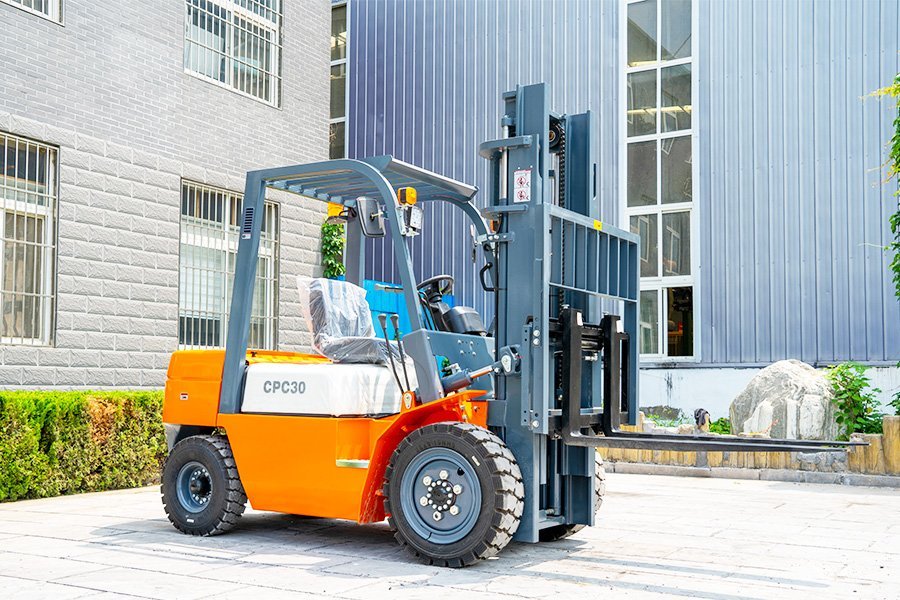
When evaluating a new diesel forklift for sale, emission compliance is non-negotiable. Modern regulations require engines to meet strict Tier 4 (EPA) or Euro V standards. These engines reduce particulate matter and nitrogen oxides significantly.
Beyond emissions, examine the hydraulic system speeds. Fast lifting speeds improve cycle times, but control is paramount. I recommend looking for systems that offer precise feathering capabilities. This allows operators to handle fragile heavy loads safely.
You should also prioritize operator ergonomics. The Occupational Safety and Health Administration (OSHA) identifies repetitive strain and vibration as key hazards. A modern cabin with a suspension seat and isolated engine mounts reduces operator fatigue. This directly correlates to maintained productivity levels during long shifts.
Assessing Total Cost of Ownership (TCO)
The initial purchase price is only one component of the investment. A diesel forklift typically has a lower upfront cost than a comparable electric lithium-ion model. However, you must factor in fuel consumption and maintenance intervals.
Diesel engines have more moving parts than electric motors. They require regular oil changes, filter replacements, and cooling system checks. I suggest asking suppliers for the recommended preventative maintenance schedule.
Compare the warranty terms for the powertrain and the hydraulic components. A comprehensive warranty indicates the manufacturer’s confidence in their build quality. This is a critical factor for B2B buyers managing tight operational budgets.
How to Validate Equipment Reliability
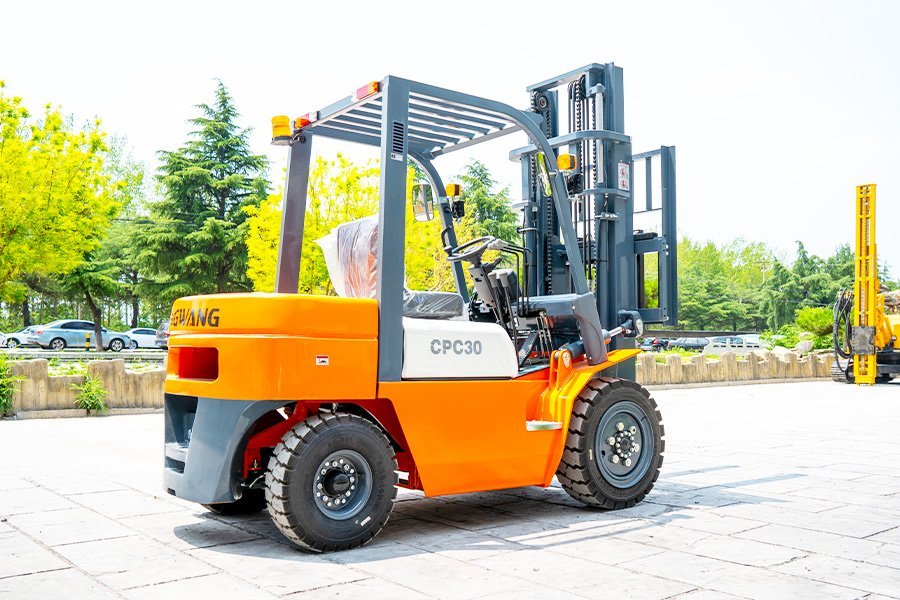
Selecting the right machine involves inspecting the chassis and mast construction. I look for high-tensile steel in the mast channels to prevent twisting under load.
When you investigate options like the HW3T Diesel Forklift, focus on the integration of the engine and transmission. A well-matched powertrain ensures that the engine’s torque translates effectively to the wheels without overheating.
Check if the unit offers adequate ground clearance for your specific yard conditions. Uneven surfaces require a higher chassis to prevent undercarriage damage. Furthermore, verify that the mast visibility meets ISO 13564 standards to ensure safe operation.
Finally, consider the availability of spare parts. A reliable platform ensures you can access filters, seals, and engine components quickly. This availability is vital for minimizing unplanned downtime in your supply chain.
Summary
Choosing the correct diesel forklift requires analyzing load centers, engine compliance, and chassis durability. A 3.5-ton model offers versatility for outdoor heavy lifting if the specs align with your operational needs. Prioritize machines that offer transparent maintenance schedules and robust safety features.
FAQ
Q1: What is the fuel consumption of a 3.5 ton diesel forklift?
Consumption varies by engine efficiency and workload, but typically ranges between 3 to 5 liters per hour under medium load.
Q2: Can I use a diesel forklift indoors?
Generally, no, unless the facility has exceptional ventilation and the engine meets strict exhaust scrubber requirements, per OSHA guidelines.
Q3: How does load center affect lifting capacity?
As the distance from the fork face to the load’s center of gravity increases, the safe lifting capacity decreases significantly to maintain stability.
Q4: What is the difference between pneumatic and solid tires?
Pneumatic tires provide better traction and shock absorption on rough terrain, while solid tires are puncture-proof but offer a rougher ride.
Reference Sources
Industrial Truck Association (ITA)
Occupational Safety and Health Administration (OSHA)
International Organization for Standardization (ISO)