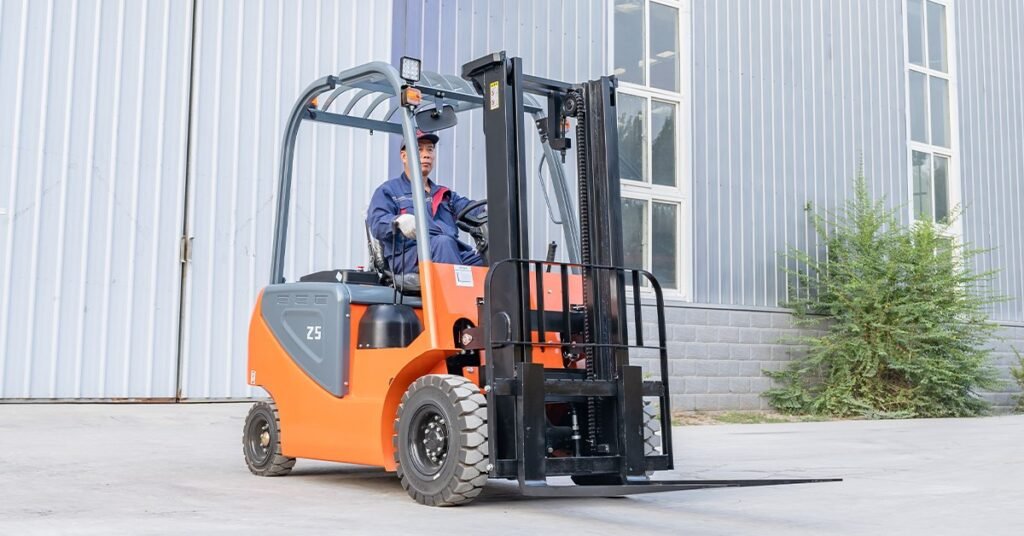
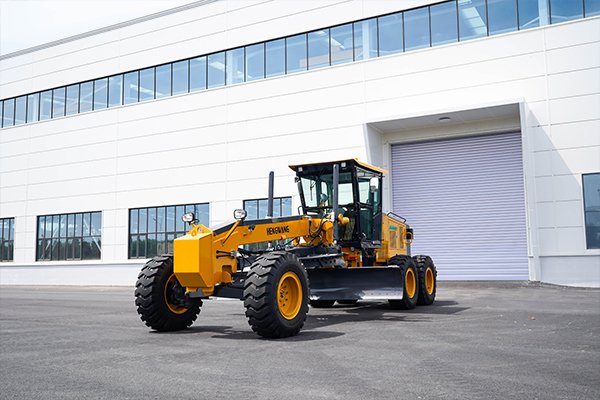
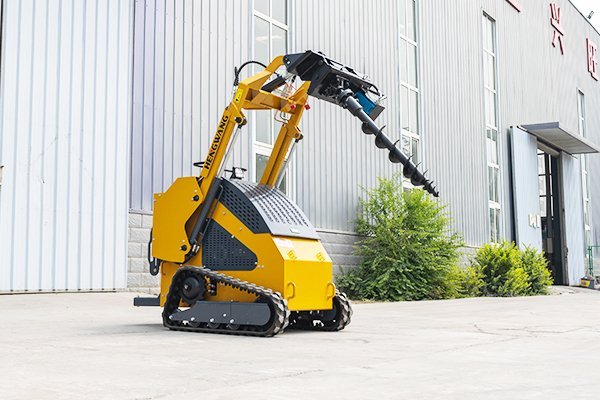
Navigating rugged construction sites or uneven industrial yards requires more than a standard lift truck. If you are managing a heavy-duty project, finding an all terrain forklift that balances power with stability is critical. Many B2B buyers struggle with choosing between local high-end brands and cost-effective international sourcing. This guide addresses the core challenges of performance, safety standards, and sourcing logistics. We focus on providing actionable data to help you identify the right equipment for demanding environments. By the end of this article, you will understand how to evaluate machine specs and select a partner that meets global operational requirements.
What Defines the Best All Terrain Forklift?
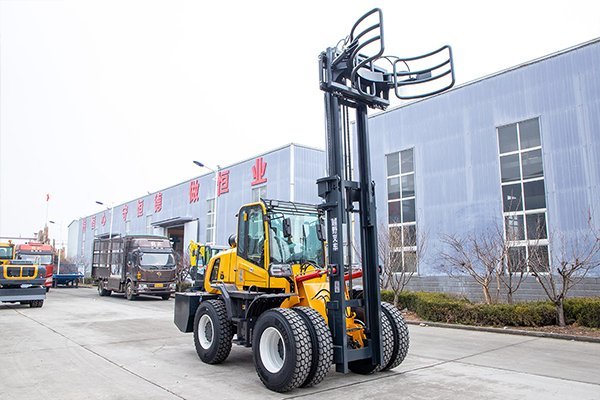
The best all terrain forklift is not defined by raw lifting capacity alone. It is defined by its ability to maintain traction on loose soil, mud, and gravel. Unlike industrial forklifts, these machines feature high ground clearance and large, deep-tread pneumatic tires.
Engine power is another vital factor for B2B procurement. Most high-performance models utilize four-wheel drive (4WD) systems to ensure consistent torque. This prevents the machine from becoming bogged down in soft terrain.
Durability in harsh weather conditions is also a priority. Reinforced chassis designs and weatherproof cabins protect both the mechanical components and the operator. When evaluating models, prioritize those with oscillating front axles, which keep all four wheels grounded on uneven slopes.
Navigating All Terrain Forklift Certification
Safety compliance is non-negotiable for professional operations. Obtaining the correct all terrain forklift certification ensures that operators can handle the unique center-of-gravity shifts of these machines. Standard warehouse forklift licenses are often insufficient for rough terrain environments.
Regulatory bodies like OSHA in the United States or the HSA in Europe mandate specific training. This training covers load stability on inclines and the use of stabilizers. Employers must verify that their staff is trained on the specific class of rough terrain vehicle being used.
Failure to secure proper certification leads to significant legal and financial risks. Always check if your supplier provides comprehensive operator manuals and safety documentation. This documentation supports your internal compliance audits and insurance requirements.
Finding a Reliable All Terrain Forklift Supplier in China
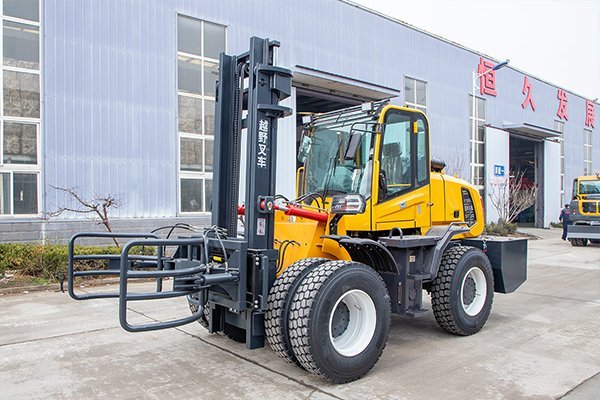
Many global businesses now look toward the East to optimize their equipment budgets. Identifying a reputable all terrain forklift supplier in China requires a focus on manufacturing transparency and component quality. The leading exporters often use internationally recognized engines, such as those from Cummins or Yanmar.
Start your investigation by checking the supplier’s ISO certifications. A reliable partner will have a robust Quality Management System (QMS) in place. They should also offer clear technical specifications and load charts for every model they produce.
Communication is the cornerstone of a successful B2B partnership. Look for suppliers who provide detailed after-sales support and readily available spare parts. The ability to ship components quickly is essential to minimizing downtime on your job site.
Key Performance Metrics for Heavy-Duty Lifting
When comparing different models, focus on the Gradeability rating. This metric determines the steepest slope a forklift can climb while carrying a full load. High-quality all terrain forklift models typically offer gradeability between 25% and 40%.
Turning radius is another critical, yet often overlooked, specification. Even on open sites, maneuvering around piles of material requires a tight turning circle. Some modern designs utilize articulated steering to improve agility without sacrificing stability.
Finally, consider the hydraulic system’s speed and precision. Fast lifting and tilting speeds increase cycle times and overall productivity. Ensure the hydraulic cooling system is rated for your specific climate to prevent overheating during extended shifts.
Evaluating the HWC-60 for Your Fleet
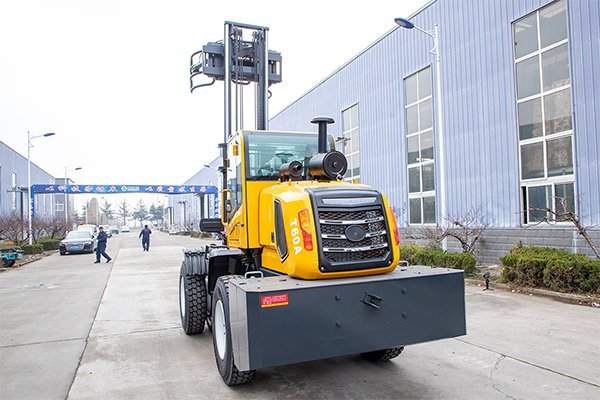
When deciding if a specific model fits your operational needs, you must look at the balance of weight distribution and lift height. The HWC-60 All Terrain Forklift is engineered for users who require a 6-ton lifting capacity on unstable ground. This model is particularly effective in mining and large-scale infrastructure projects where ground pressure is a concern.
Choosing a machine like the HWC-60 involves verifying that its dimensions allow for transport on standard low-boy trailers. It is also important to assess the visibility from the cab, as 360-degree awareness is vital for safety on busy sites. This equipment serves as a benchmark for professional-grade machinery that integrates high-torque engines with reinforced lifting masts.
Summary
Selecting an all terrain forklift requires a deep dive into mechanical specs, safety certifications, and supplier reliability. By focusing on 4WD capabilities and verified safety standards, B2B buyers can ensure long-term ROI. The right equipment minimizes downtime and maximizes site safety in the most challenging environments.
FAQ
Q1: What is the difference between a rough terrain forklift and a standard one? Rough terrain models feature larger, specialized tires, higher ground clearance, and 4WD systems specifically designed for outdoor, unpaved surfaces.
Q2: Is specific training required for all terrain forklift certification? Yes, operators must undergo specialized training that focuses on the stability and handling characteristics unique to rough terrain environments.
Q3: How do I verify a Chinese forklift supplier? Check for ISO 9001 certification, verify their export history, and ensure they use reputable engine brands and hydraulic components.
Q4: Can all terrain forklifts be used indoors? While possible, they are generally too large and produce more emissions than electric indoor models, making them better suited for outdoor use.
Reference Sources
- International Organization for Standardization (ISO): ISO 22915 series for industrial truck stability. https://www.iso.org/
- Occupational Safety and Health Administration (OSHA): Powered Industrial Trucks (Rough Terrain Forklifts) standards. https://www.osha.gov/
- Association of Equipment Manufacturers (AEM): Rough Terrain Forklift safety manuals and industry trends. https://www.aem.org/