As a heavy equipment strategist, I often advise procurement managers that versatility is the ultimate currency in construction. You are likely evaluating equipment to optimize fleet efficiency while minimizing capital expenditure. The backhoe loader remains one of the most essential assets for contractors and municipalities globally because it solves multiple site challenges simultaneously.
This guide analyzes the commercial value of these machines. I will break down operational mechanics, sourcing strategies, and critical selection criteria for B2B buyers. My goal is to help you determine if this machine fits your current project requirements and how to source it effectively.
What Is a Backhoe Loader Used For in Modern Construction?
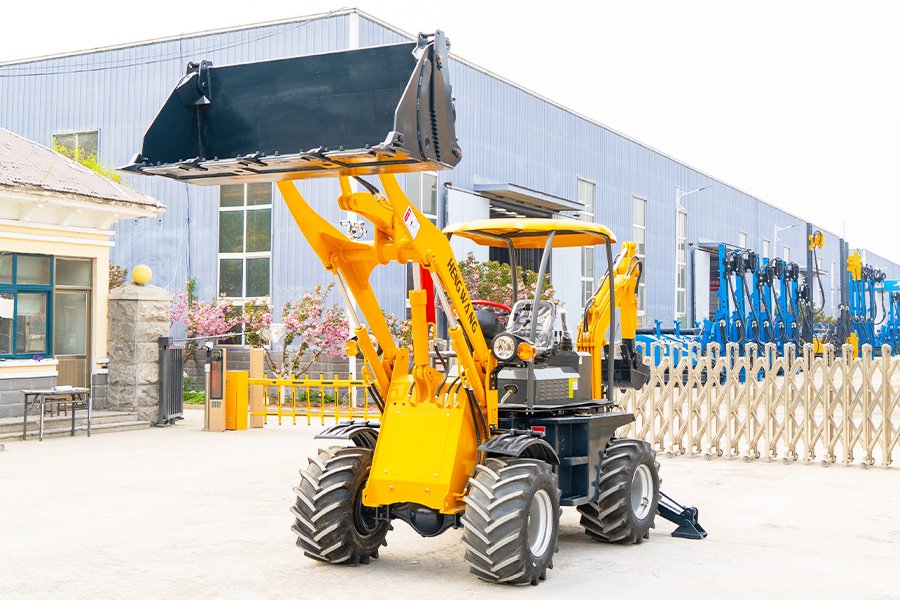
A backhoe loader is defined by its dual-function capability, merging a front loader with a rear excavation arm. According to ISO 6165 standards for earth-moving machinery, this design classifies it as a multi-purpose unit. You primarily use the front bucket for moving materials like soil, snow, or debris.
Simultaneously, the rear hoe handles digging trenches, breaking asphalt, or lifting heavy pipes. This versatility eliminates the need to transport two separate machines to a job site. For B2B users, this directly translates to reduced logistics costs and lower fuel consumption per project hour.
Common applications include general construction, agricultural landscaping, and light demolition. What is a backhoe loader used for beyond digging? With hydraulic attachments, it functions as an auger, grapple, or hammer, further expanding your operational scope. This adaptability makes it indispensable for urban utility projects where space is limited.
How a Backhoe Loader Works: The Mechanics of Efficiency
Understanding how backhoe loader works is crucial for evaluating maintenance needs and operator safety. The core of this machine is its hydraulic system, which powers both the loader arms and the digging hoe. A central pump pressurizes fluid to move pistons, allowing for precise control over heavy loads.
Stability is another critical mechanical component. When the backhoe (rear) is in use, stabilizer legs deploy to anchor the machine. This prevents tipping and provides a safe center of gravity during deep excavation tasks, ensuring compliance with safety regulations.
Most modern units feature an articulating chassis or steering mechanism. This allows the wheel loader backhoe to maneuver in tight urban spaces where large excavators cannot fit. High-quality diesel engines drive these systems, balancing high torque output with fuel efficiency to lower operating costs.
Wheel Loader Backhoe vs. Specialized Equipment
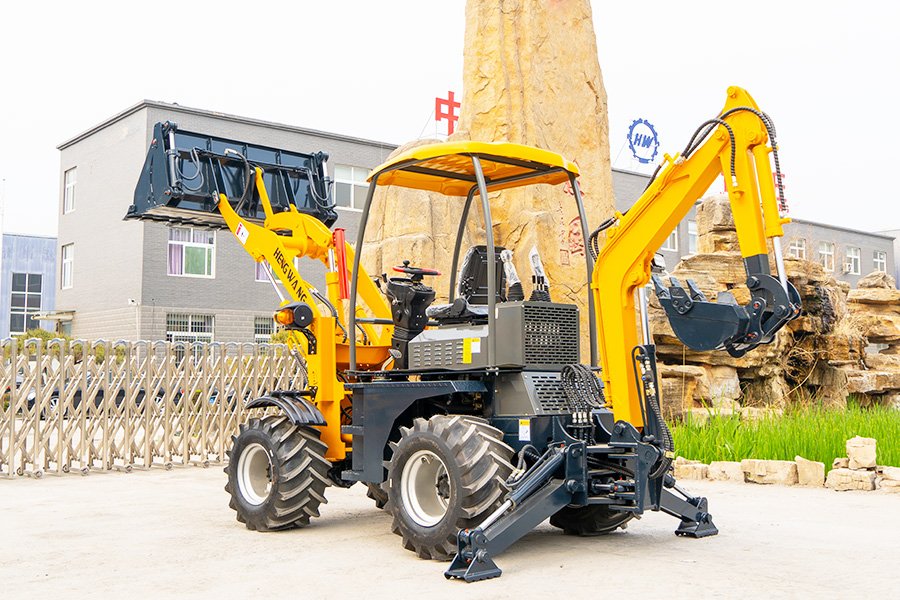
A common dilemma for procurement officers is choosing between a wheel loader backhoe and specialized units like mini-excavators. While a dedicated excavator offers deeper digging depth, it lacks material handling speed. Conversely, a standard wheel loader cannot dig effectively.
The wheel loader backhoe offers a strategic middle ground. It is capable of driving on public roads between sites, unlike tracked excavators that require a low-boy trailer. This mobility is a significant advantage for utility companies covering scattered work zones.
However, you must assess your primary volume. If 90% of your work is static digging, a specialized excavator might be better. But for projects requiring frequent switching between digging and loading, the hybrid design offers superior ROI.
Sourcing Strategy: Finding a Backhoe Loader Wholesaler in China
The global supply chain has shifted, making the search for a backhoe loader wholesaler in China a viable commercial strategy. Chinese manufacturing has matured, offering robust machines that adhere to international safety and emission standards.
When looking for a backhoe loader for sale, focus on the supply chain ecosystem. A reputable wholesaler provides more than just the hardware; they offer parts availability and technical support. You should verify that the manufacturer uses recognized components, such as reliable engines and hydraulic pumps.
Cost efficiency is the primary driver here. Sourcing from a Chinese wholesaler can significantly lower your initial asset cost without compromising structural integrity. This allows B2B buyers to allocate budget toward attachments or fleet expansion.
Key Criteria for Evaluating Your Next Machine
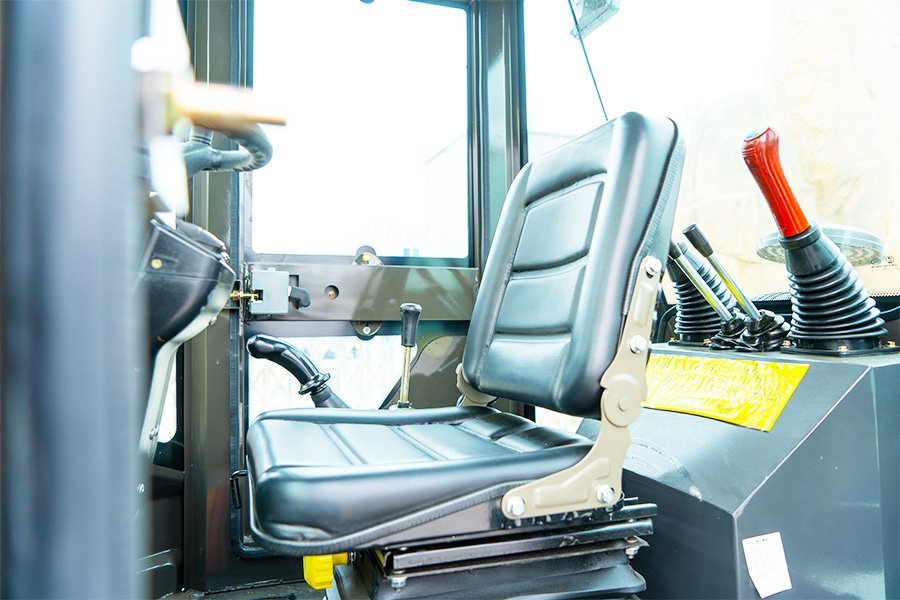
Selecting the right equipment requires a strict evaluation of specifications against your job site realities. Do not base your decision solely on price; look at the power-to-weight ratio and hydraulic flow rates. These metrics determine how fast your team can complete a cycle.
You should also examine the cabin ergonomics and control layout. Operator fatigue is a safety risk, and a well-designed cabin improves daily productivity. Furthermore, consider the ease of maintenance access for daily checks.
For those investigating specific models, the HW10-50 Backhoe Loader serves as a strong example of balanced engineering. It combines competitive breakout force with a compact footprint, suitable for diverse terrain. Reviewing specs on such platforms helps you benchmark performance data against your project needs.
Summary
The backhoe loader remains a cornerstone of efficient fleet management due to its unmatched versatility. By understanding the mechanics and sourcing from a trusted backhoe loader wholesaler in China, you secure long-term value. Prioritize machines that offer a balance of hydraulic power, stability, and aftermarket support.
FAQ
Q1: What is the main difference between a backhoe loader and an excavator?
An excavator is a dedicated digging machine with 360-degree rotation, while a backhoe loader is a tractor-based unit with a front loader and rear hoe, offering better mobility.
Q2: How do I choose the right size backhoe loader for sale?
Evaluate your maximum digging depth requirements and the weight of materials you need to lift; verify these against the machine’s tipping load and reach specifications.
Q3: Are Chinese backhoe loaders reliable for commercial use?
Yes, many units from a reputable backhoe loader wholesaler in China utilize global standard components and rigorous testing, offering high reliability for B2B operations.
Q4: Can a backhoe loader drive on public roads?
Yes, unlike tracked equipment, a wheel loader backhoe is rubber-tired and typically street-legal for short-distance travel between job sites.
Reference Sources
International Organization for Standardization (ISO)
ISO 6165: Earth-moving machinery — Basic types — Identification and terms and definitions
https://www.iso.org/
Occupational Safety and Health Administration (OSHA)
Earth Moving Equipment Safety Standards
https://www.osha.gov/
Encyclopaedia Britannica
Backhoe: Construction Machinery
https://www.britannica.com/