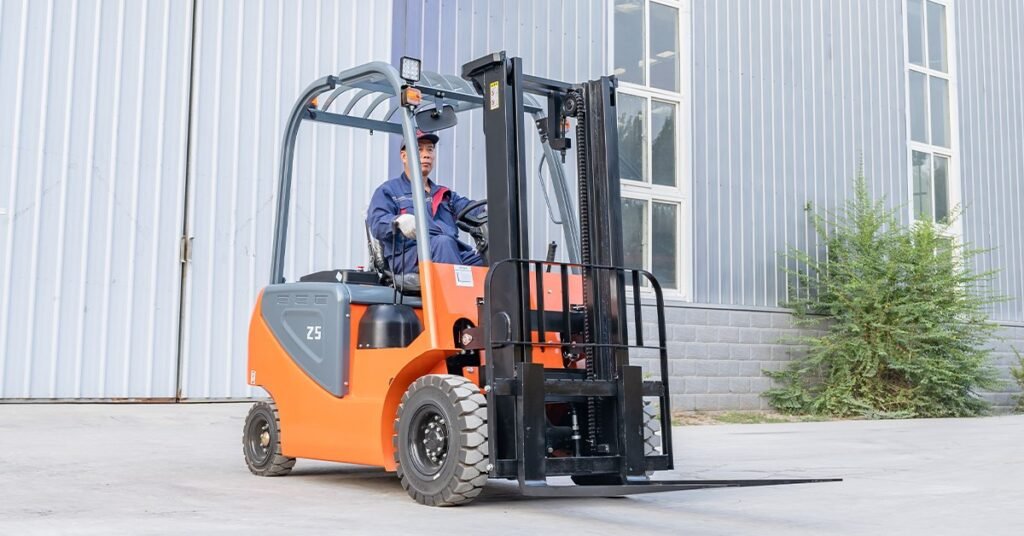
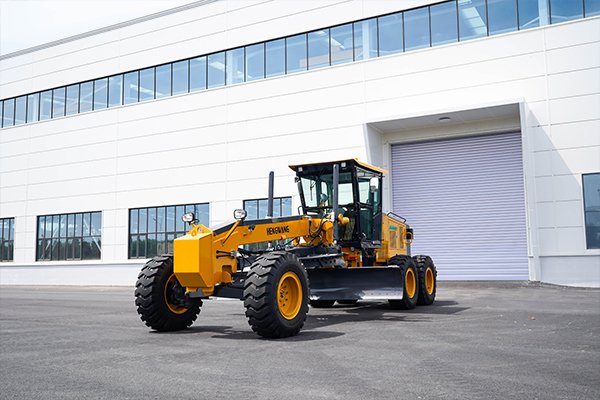
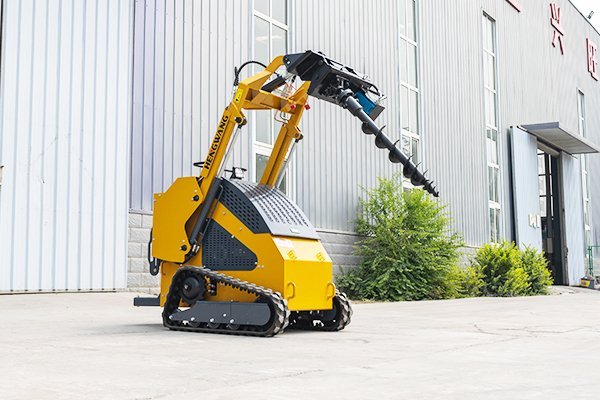
As a heavy machinery specialist, I understand the challenges you face during procurement. Selecting a reliable backhoe loader machine is not just about comparing prices. It involves analyzing hydraulic efficiency, engine reliability, and long-term maintenance costs. You need equipment that balances raw power with precise control for diverse job sites. This guide clarifies the essential criteria to help you secure the best value for your fleet.
What Is a Backhoe Loader Used For in Modern Projects?
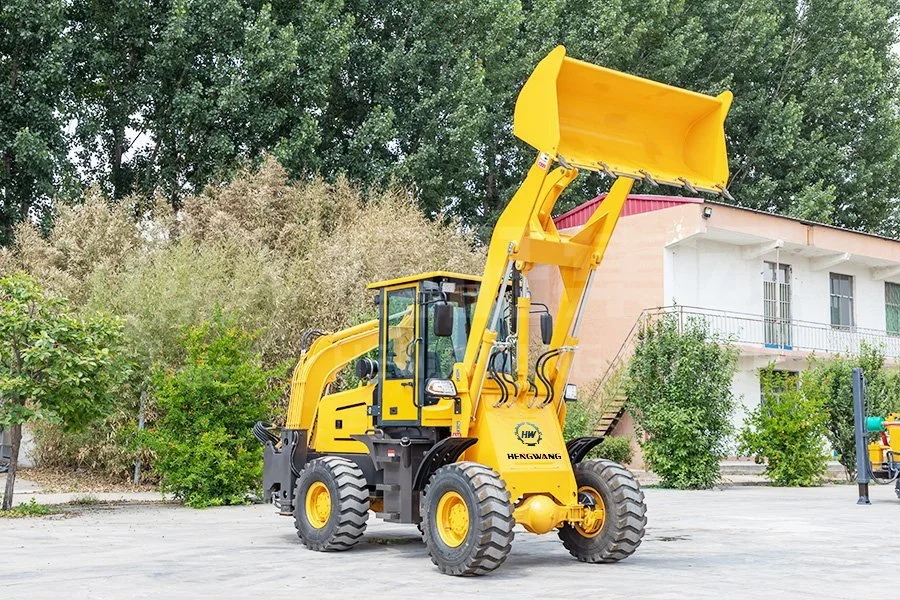
Understanding the full versatility of this equipment is the first step in commercial investigation. Many buyers underestimate the functional range of a standard unit, viewing it merely as a digging tool.
what is a backhoe loader used for beyond simple excavation? Primarily, it serves as a multi-purpose workhorse for construction, landscaping, and agriculture. The front bucket handles material loading, leveling, and pushing soil or snow. Meanwhile, the rear digging arm manages trenching, foundation work, and breaking asphalt.
This dual functionality eliminates the need for two separate machines. Consequently, you save on transportation costs, fuel consumption, and storage space. It is ideal for urban engineering where workspace is often limited and traffic disruption must be minimized.
Furthermore, modern units support various hydraulic attachments. You can swap the standard bucket for augers, grapples, sweepers, or hydraulic breakers. This adaptability ensures high utilization rates across different project phases, from site clearing to final finishing.
Critical Specs When Evaluating a Backhoe Loader for Sale
You must look past the exterior paint when browsing a backhoe loader for sale . The technical specifications determine the machine’s return on investment and daily productivity.
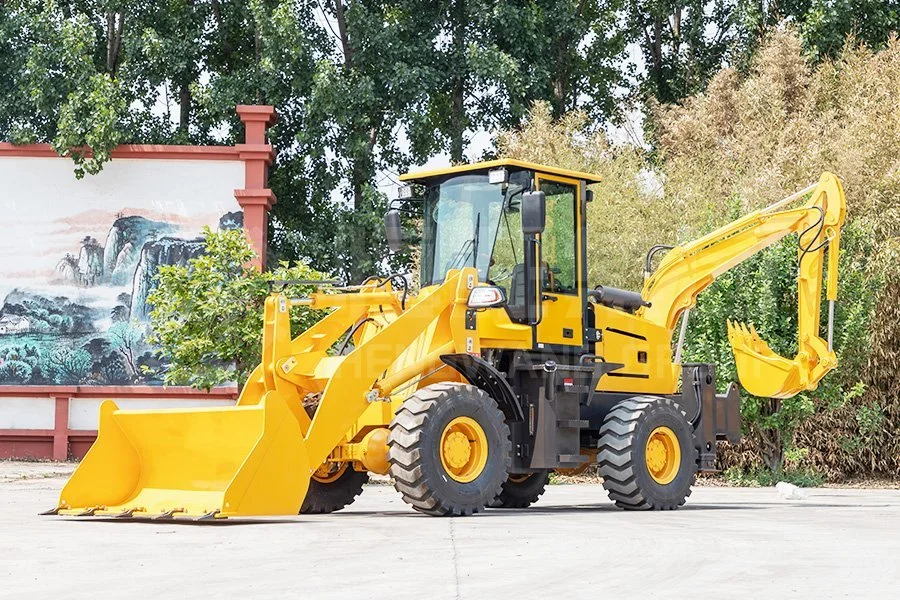
Focus first on the engine’s torque curve rather than just peak horsepower. A high torque output at lower RPMs ensures fuel efficiency during heavy lifting. This allows the machine to push full loads without straining the engine or burning excessive diesel.
Next, examine the hydraulic system flow rate carefully. A higher flow rate allows for faster cycle times and smoother multi-function operation. This directly impacts how many tons of material your operator moves per hour, defining your project timelines.
Finally, consider the maximum digging depth and dump height. These metrics must align with your specific project requirements, such as truck loading heights. Buying an oversized machine wastes fuel, while an undersized one causes delays and safety risks.
Why Partner with a Backhoe Loader Wholesaler in China?
The global supply chain has shifted, making Chinese manufacturing a strategic option for B-end buyers. Sourcing from a backhoe loader wholesaler in China offers distinct competitive advantages in today’s market.
Chinese manufacturers have significantly closed the quality gap with Western brands. They now utilize robust components, such as Cummins engines and Japanese hydraulic seals. Advanced assembly technologies ensure these machines withstand rigorous daily use.
The primary benefit remains cost-effectiveness without compromising essential performance. You can often acquire two units for the price of one premium brand unit. This allows for faster fleet expansion and better capital allocation for other operational needs.
Additionally, wholesalers in China typically offer flexible customization options. They can configure tires, cabs, and hydraulic lines to suit your local climate or terrain. This level of responsiveness is crucial for specialized industrial applications or extreme weather environments.
How to Determine if the HW15-26 Fits Your Fleet
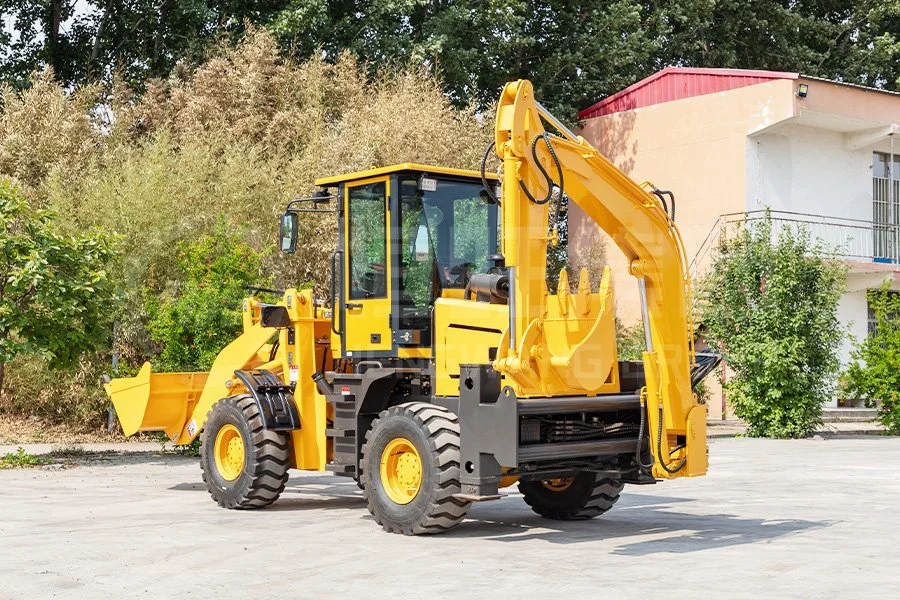
Choosing a specific model requires matching its capabilities to your daily operational reality. The HW15-26 represents a specific class of compact heavy machinery designed for agility.
You should evaluate if its articulated design suits your site conditions. Articulated loaders offer a tighter turning radius compared to rigid frames. This is vital for navigating narrow construction zones, crowded agricultural storage areas, or residential projects.
Check the rated load capacity against your average material weight. A machine like the HW15-26 is optimized for efficiency in small to medium-scale operations. It prevents the overhead costs associated with running massive equipment for lighter tasks like landscaping or utility work.
Assess the cabin ergonomics and control layout effectively. Operator comfort leads to longer shifts, less fatigue, and fewer safety incidents. If your projects demand agility, economic operation, and ease of transport, this model warrants a detailed technical review.
Conclusion
Selecting the right backhoe loader machine requires balancing performance specs with procurement costs. By understanding the machine’s versatility and sourcing options, you protect your company’s bottom line. Prioritize hydraulic efficiency and reliable support to ensure long-term operational success and fleet reliability.
FAQ
Q1: What are the main advantages of a backhoe loader over an excavator?
A backhoe loader machine offers superior mobility and versatility compared to a standard excavator. It can travel on roads between sites and perform both loading and digging tasks efficiently.
Q2: How do I maintain a backhoe loader for long-term use?
Regular maintenance involves daily fluid checks, air filter cleaning, and greasing pivot points. You must also adhere to the manufacturer’s schedule for hydraulic oil and filter changes to prevent pump wear.
Q3: Is it safe to buy from a backhoe loader wholesaler in China?
Yes, provided you verify their manufacturing certifications (like ISO or CE) and export history. Reputable wholesalers offer warranties, English-language manuals, and parts support for international clients.
Q4: What attachments are compatible with these machines?
Most standard loaders accept augers, pallet forks, sweepers, and hydraulic hammers. Always check the hydraulic flow requirements (GPM) of the attachment before purchase to ensure compatibility.
Q5: How long is the typical lifespan of a backhoe loader?
With proper maintenance, a quality machine can last between 5,000 to 10,000 operating hours. This varies based on the severity of the working environment and operator skill.
Reference Sources
Occupational Safety and Health Administration (OSHA)
https://www.osha.gov/etools/heavy-equipment
Association of Equipment Manufacturers (AEM)
ISO Standards for Earth-moving machinery