In the heavy equipment industry, few machines are as recognizable or essential as the bulldozer. As a procurement specialist or project manager, you understand that selecting the right earthmover is not about raw power alone. It requires balancing operational weight, budget constraints, and site specific requirements.
You are likely evaluating fleet expansion or replacing an aging asset. You need clear data on costs and capabilities to justify your investment. This guide breaks down the technical specifications and market realities of these powerful crawlers.
What Is a Bulldozer and Its Industrial Applications?
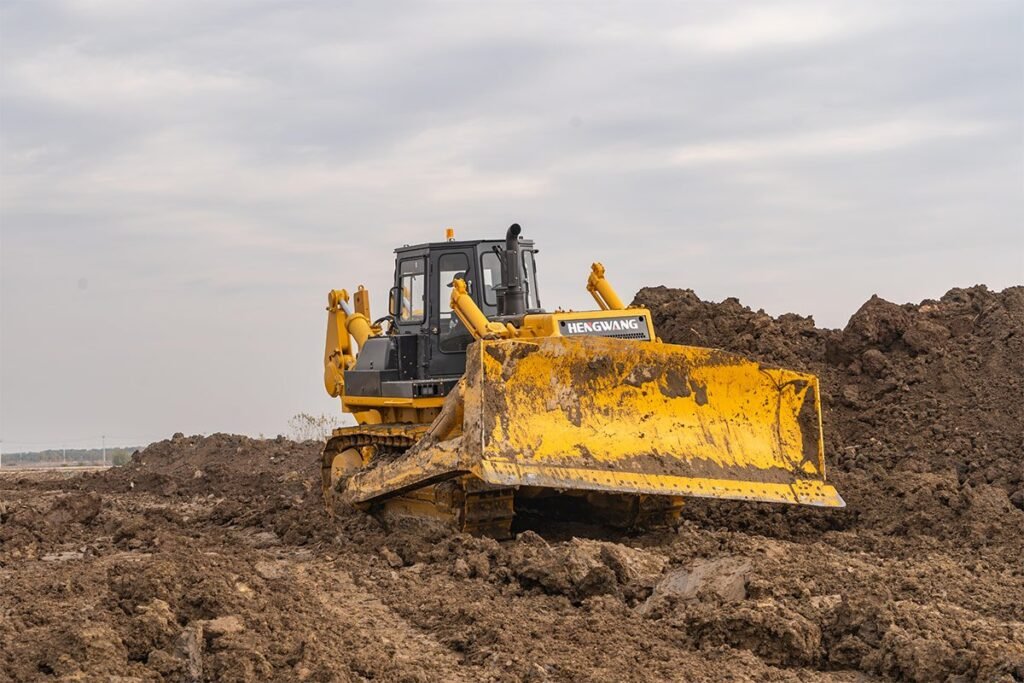
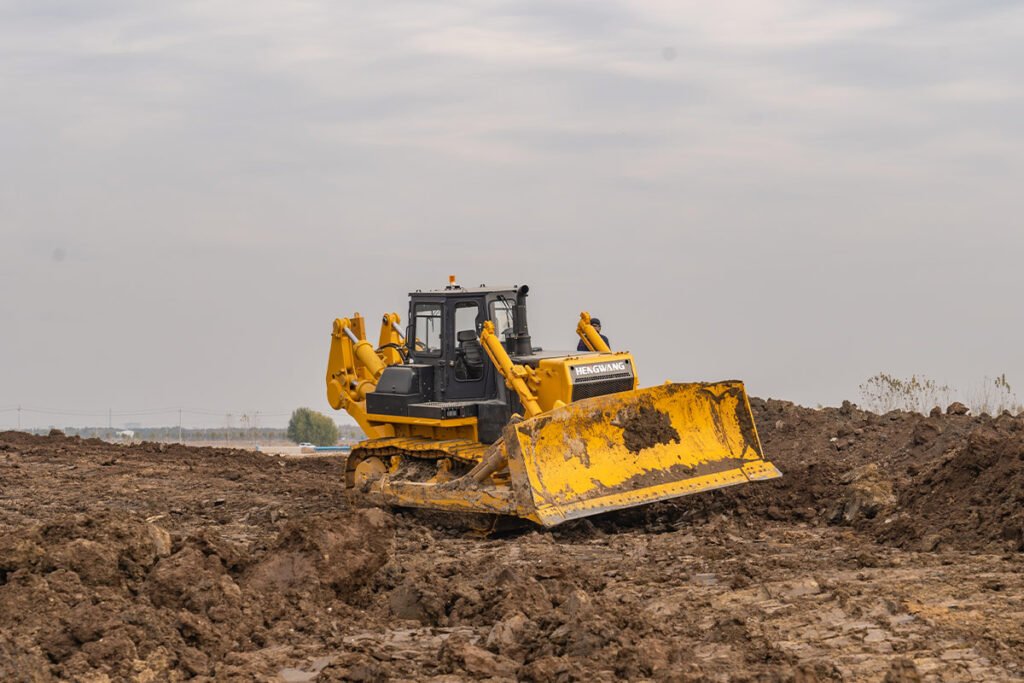
Technically, a bulldozer is a continuous tracked tractor equipped with a substantial metal plate, known as a blade. According to the Encyclopaedia Britannica, this machine evolved from farm tractors into the heavy-duty earthmovers we see today. The tracks distribute the machine’s weight over a large area. This design decreases ground pressure, allowing operation on sandy, muddy, or unstable terrain.
What is a bulldozer used for in a B2B context?
Primary applications include:
- Land Clearing: Removing trees, boulders, and underbrush before construction begins.
- Grading and Earthmoving: Pushing large quantities of soil to create level foundations.
- Mining: Stripping overburden to access mineral deposits.
The rear of the machine often features a ripper. This claw-like device breaks up hard ground or rock. This versatility makes the dozer a cornerstone of infrastructure projects.
Analyzing Specs: How Much Does a Bulldozer Weigh?
One of the most critical search queries for logistics planning is: how much does a bulldozer weigh? Operating weight dictates transport requirements and ground pressure limits.
We typically categorize dozers into three classes:
- Small Dozers (D3–D5 equivalent):
These machines typically weigh between 8,000 kg and 10,000 kg (17,500–22,000 lbs). They are ideal for residential grading and finishing work. Transporting them is relatively straightforward. - Medium Dozers (D6–D8 equivalent):
This category is the industry workhorse. Weights range from 15,000 kg to 35,000 kg (33,000–77,000 lbs). They offer a balance of speed and pushing power for highway construction. - Large Dozers (D9–D11 equivalent):
Designed for heavy mining, these giants weigh between 45,000 kg and 110,000 kg (100,000–240,000 lbs). Moving these requires specialized heavy-haul trailers and permits.
Selecting the wrong weight class can lead to site damage or insufficient power. Always verify the operating weight including attachments.
Cost Analysis: How Much Does a Bulldozer Cost?
Financial planning requires accurate estimates. How much does a bulldozer cost depends heavily on brand, size, and condition.
New Equipment Pricing:
- Small units: Prices typically range from $80,000 to $150,000.
- Medium units: Expect to invest between $200,000 and $600,000.
- Large mining units: These capital assets often exceed $1,500,000.
Used Market Variables:
According to auction data from Ritchie Bros, depreciation varies by brand reputation and maintenance history. A five-year-old medium dozer might retain 50–60% of its value.
Total Cost of Ownership (TCO):
The purchase price is just the entry fee. You must factor in undercarriage maintenance. Tracks and rollers represent a significant portion of long-term operating costs. Fuel consumption also scales drastically with engine size.
The Extremes: What Is the Largest Bulldozer?
For massive mining operations, standard equipment is insufficient. This leads to the question: what is the largest bulldozer ever built?
The title belongs to the Komatsu D575A-3 Super Dozer.
This machine is no longer in production, but it remains the benchmark for size.
- Operating Weight: Approximately 152,600 kg (336,420 lbs).
- Horsepower: It delivers 1,150 HP.
- Blade Capacity: Its standard blade can move 69 cubic meters of material in a single pass.
While the Komatsu D575A is an engineering marvel, it is impractical for 99% of projects. For most B2B buyers, efficiency is found in the medium-class sector, not the extremes.
Strategic Selection for Your Fleet
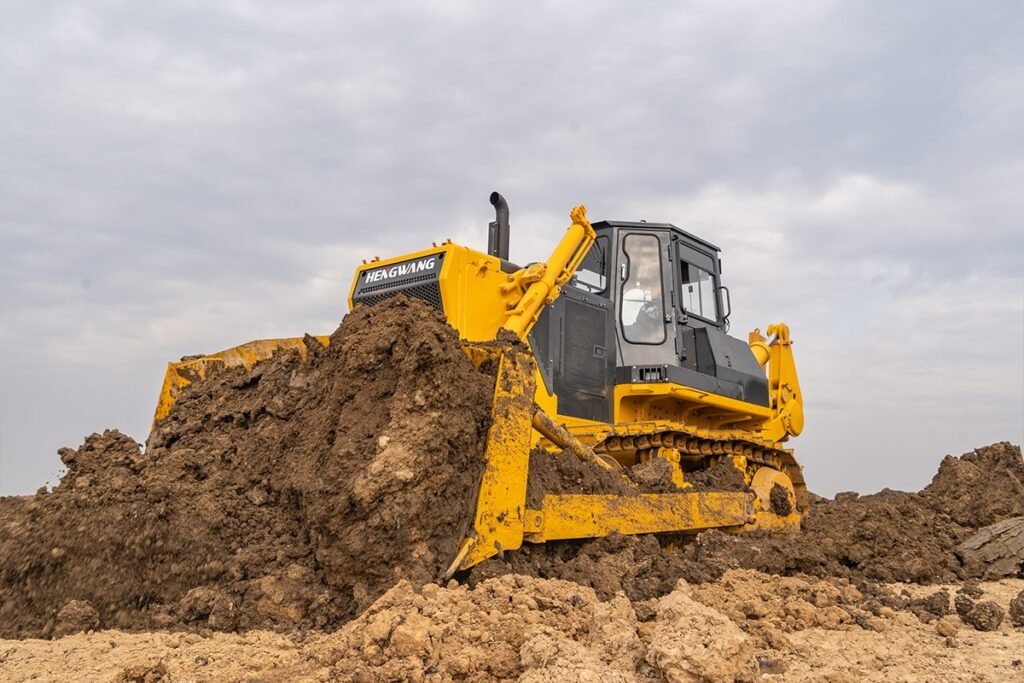
Choosing the correct equipment involves more than just reading a spec sheet. You must evaluate the “Value per Hour” the machine delivers. High-end brands offer reliability, but emerging manufacturers are providing competitive performance at lower entry points.
When assessing a potential supplier, focus on the balance between power and acquisition cost.
Does the machine offer a warranty that matches your project timeline?
Are parts readily available in your region?
For many businesses, mid-sized bulldozers offer the best ROI. They are versatile enough for grading yet powerful enough for land clearing. If you are currently evaluating reliable options that balance performance with cost-efficiency, you should explore specific product lines.
To view detailed specifications and find a machine that fits your operational budget, please visit Hengwang Bulldozers.
Summary
Successfully procuring a bulldozer requires aligning technical specifications with project demands. We have established that costs can range from $80,000 to over $1 million, while weights vary from 8 to 100+ tons. Whether you need a small grader or a mining giant, understanding these metrics ensures a profitable investment.
FAQ
Q: What is the average lifespan of a bulldozer?
A: A well-maintained bulldozer typically lasts between 8,000 and 12,000 operating hours before requiring a major overhaul.
Q: How does the undercarriage affect the bulldozer’s value?
A: The undercarriage accounts for nearly 50% of the machine’s lifetime maintenance cost, significantly impacting resale value.
Q: Can a bulldozer be used on pavement?
A: Standard steel tracks will damage pavement; you must use rubber tracks or protective street pads for paved surfaces.
Q: What is the difference between a PAT blade and a straight blade?
A: A PAT (Power-Angle-Tilt) blade is versatile for grading, while a straight blade is designed for heavy pushing and clearing.
Q: Why are hydraulic systems important in modern dozers?
A: Advanced hydraulics allow for precise blade control and better fuel efficiency compared to older mechanical systems.
Reference Sources
Encyclopaedia Britannica – Bulldozer
https://www.britannica.com
Komatsu – D575A-3 Super Dozer Specifications
https://www.komatsu.com
Ritchie Bros – Heavy Equipment Auction Results & Market Trends
https://www.rbauction.com