Choosing the right heavy equipment is a vital step for any construction project. The debate between a bulldozer vs excavator often arises when planning earthmoving tasks. Both machines are powerful and essential on modern jobsites. However, they perform very different roles in the field.
A bulldozer vs excavator comparison reveals distinct mechanical strengths. Bulldozers excel at pushing large amounts of material across flat ground. In contrast, excavators are designed for digging, lifting, and precise material handling. Understanding these differences helps you maximize efficiency and reduce operational costs.
This article examines the unique capabilities of both machines. We provide data-driven insights to help you make an informed decision. Whether you are clearing land or digging foundations, the right choice ensures safety and speed.
Key Differences Between a Bulldozer vs Excavator
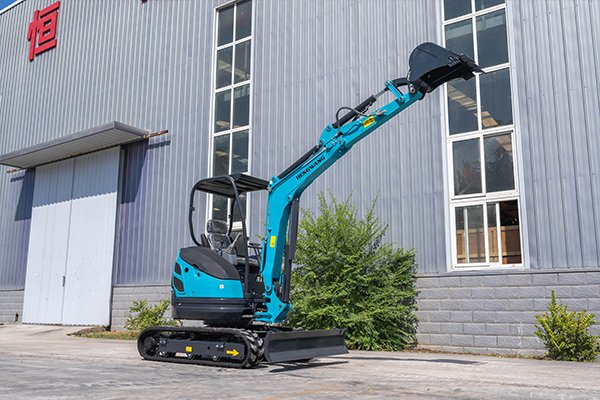
The primary difference lies in how these machines move earth. A bulldozer uses a large, flat blade to push soil or debris. An excavator uses a bucket attached to a boom and arm to dig deep into the ground. Their physical footprints and movement styles also vary significantly.
| Feature | Bulldozer | Excavator |
| Primary Action | Pushing and Leveling | Digging and Lifting |
| Range of Motion | Limited to forward/backward | 360-degree rotation |
| Working Tool | Front-mounted heavy blade | Arm with bucket or attachments |
| Surface Impact | High ground pressure (tracked) | Precise and localized |
| Best For | Large-scale land clearing | Trenching and foundations |
Bulldozers are built for power and traction on rough terrain. They typically feature wide tracks that distribute weight evenly. This design allows them to operate on soft or muddy ground without sinking. Excavators prioritize reach and versatility through their rotating house and hydraulic arm.
When to Choose a Bulldozer for Your Project
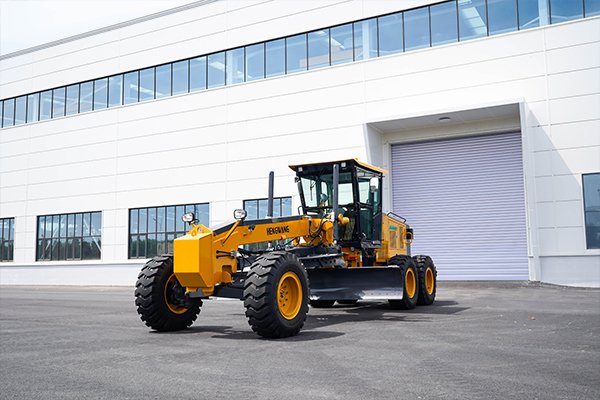
You should choose a bulldozer when your project involves moving massive quantities of material. These machines are the “powerhouses” of the construction world. They are highly effective for site stripping and road building. If you need to level a large area quickly, a bulldozer vs excavator is the clear winner for grading.
Bulldozers offer superior performance in land clearing operations. Their heavy blades can knock down trees and move boulders with ease. Small dozers often provide 70 to 100 horsepower. Large mining dozers can exceed 600 horsepower for extreme tasks.
Data shows that dozers are highly efficient for short-distance transport. They can push material effectively over distances of 100 to 300 feet. For grading tasks, a dozer can achieve a precision level within 0.1 feet when equipped with GPS. Bulldozers are the best choice for finishing and smoothing surfaces.
Why Choose an Excavator for Digging and Lifting?

An excavator is the superior choice for tasks requiring vertical movement. While a bulldozer vs excavator comparison focuses on earthmoving, excavators offer more flexibility. Their 360-degree rotation allows them to work in confined spaces. You can dig a hole and dump the soil into a truck without moving the tracks.
Excavators are essential for trenching, utility work, and demolition. Modern hydraulic systems allow for incredible precision during operation. A compact excavator, such as the HW-35W, provides a digging depth of approximately 2,700mm to 3,000mm. This makes it ideal for urban environments and residential landscaping.
Versatility is the main advantage of the excavator. You can swap the bucket for hammers, augers, or grapples. Statistics indicate that excavators are used in over 70% of all construction projects globally. Excavators are indispensable for projects requiring deep excavation or material lifting.
Performance Comparison: Speed, Power, and Precision
The performance of a bulldozer vs excavator depends on the specific site requirements. Bulldozers provide massive pushing force through their heavy weight and high-torque engines. Ground pressure for a standard dozer is often between 6 and 12 PSI. This allows for stable operation on unstable surfaces.
Excavators focus on breakout force and cycle times. Breakout force refers to the power the bucket exerts while digging. A 3.5-ton excavator typically offers a bucket breakout force of around 25 to 30 kN. This power allows it to penetrate hard clay or rocky soil efficiently.
Precision also differs between these two machines. Bulldozers are excellent for maintaining a consistent grade over long stretches. Excavators are better for “spot” precision, such as digging around existing pipes. Choosing between a bulldozer vs excavator requires balancing brute force with technical accuracy.
How to Judge if a Compact Machine Fits Your Site

Deciding on equipment depends heavily on your site’s physical constraints. If you work in narrow residential areas, a large bulldozer is often impractical. You must evaluate the “swing radius” of your machinery. Compact excavators are designed to operate within their own footprint.
The HW-35W crawler excavator is a prime example of a site-friendly machine. It features a compact width and rubber tracks to protect pavement. This model uses an 18.5kW engine to balance fuel efficiency with hydraulic power. It handles tasks that are too small for a dozer but too heavy for manual labor.
When selecting equipment, consider the transport requirements. Smaller excavators weigh roughly 3,500kg, making them easy to move on standard trailers. Large bulldozers require specialized heavy-haul permits and equipment. A compact excavator is often the most cost-effective solution for small to mid-sized contractors.
Summary
In the bulldozer vs excavator debate, your project’s primary task dictates the winner. Choose a bulldozer for pushing, leveling, and large-scale land clearing. Select an excavator for digging, lifting, and working in tight spaces. Most professional sites benefit from using both machines to maximize productivity.
FAQ
Q:Can an excavator do the work of a bulldozer?
An excavator can level small areas using the back of its bucket, but it lacks the pushing power of a bulldozer. It is not efficient for large-scale grading or moving heavy piles over long distances.
Q:Which machine is better for clearing trees?
A bulldozer is generally better for clearing large wooded areas because it can push trees down. However, an excavator is better for removing individual stumps or clearing brush in sensitive areas.
Q:Is a bulldozer or an excavator easier to transport?
An excavator, especially a compact model like the HW-35W, is typically easier to transport. Many mini excavators fit on standard utility trailers, whereas bulldozers often require heavy-duty transport vehicles.
Q:Which machine has a higher resale value?
Both machines hold value well, but excavators often have a higher demand in the used market. Their versatility with attachments makes them attractive to a wider range of buyers.
Reference Sources
- Occupational Safety and Health Administration (OSHA)
https://www.osha.gov - Association of Equipment Manufacturers (AEM)
https://www.aem.org