In the demanding environment of modern construction, quarrying, and mining, the efficiency and reliability of drilling operations are paramount to project success and profitability. For professionals utilizing heavy engineering machinery, the choice of a Down-The-Hole (DTH) drill rig is a critical decision that directly impacts operational expenditure and overall output. Among the specialized equipment available, the HW421T Integrated DTH Drill Rig stands out as a powerful and sophisticated machine designed to maximize drilling efficiency and adaptability. This integrated unit—combining the compressor and the drill rig on a single platform—offers a streamlined solution for high-performance rock drilling. However, selecting the precise configuration and understanding the capabilities of the HW421T Integrated DTH Drill Rig is essential for optimizing its value on any given job site. This comprehensive guide provides the necessary technical insights for users to make an informed, strategic investment in this advanced piece of construction equipment.
Analyzing the Core Capabilities of the HW421T Integrated DTH Drill Rig
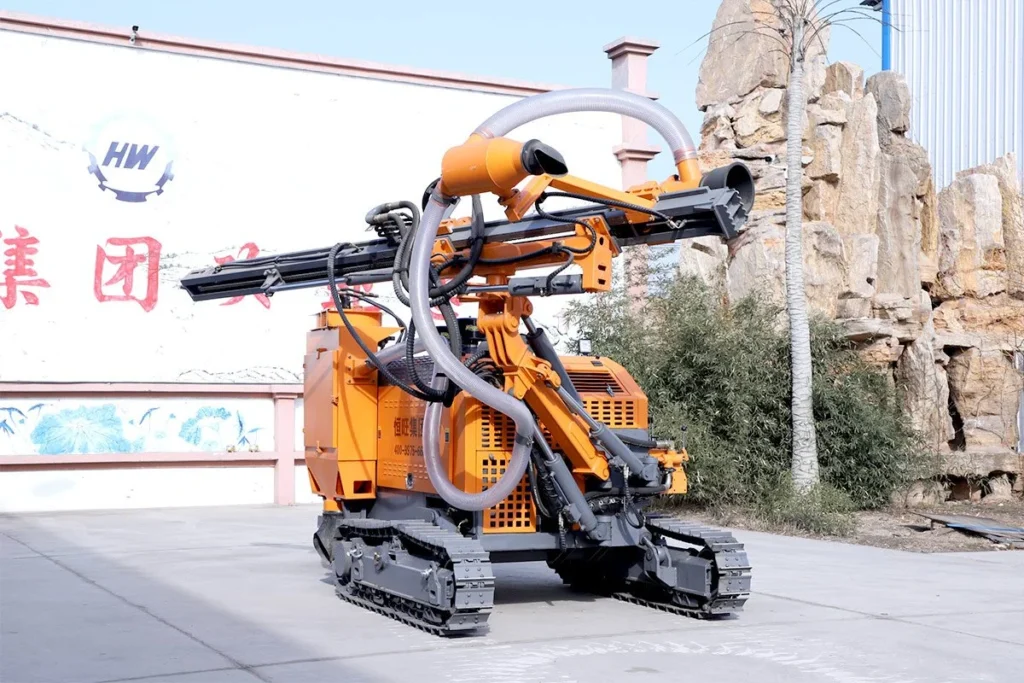
The HW421T Integrated DTH Drill Rig is engineered specifically to address the complex challenges posed by varying geological conditions and strict project deadlines. The “Integrated” aspect is its defining feature, eliminating the need for a separate air compressor unit and the corresponding complex connection logistics. This inherent design simplification translates directly into higher mobility, quicker setup times, and reduced overall fuel consumption, which are significant advantages in dynamic work environments.
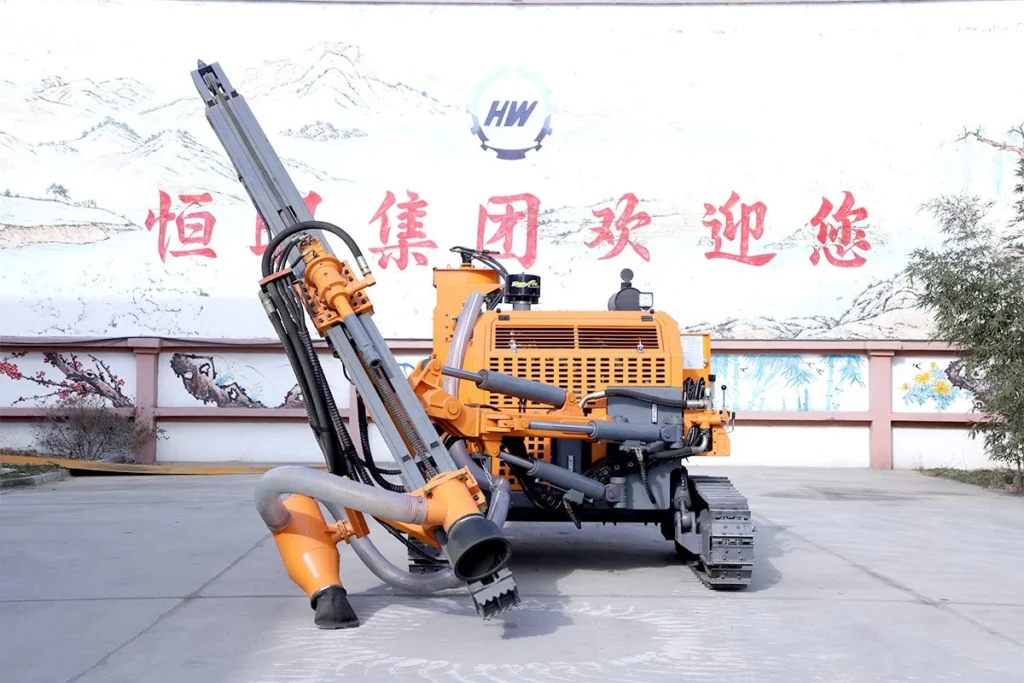
The rig’s performance hinges on a powerful hydraulic system and a high-pressure DTH hammer. The integration allows for a precise matching of the compressor output to the hammer’s air requirements, ensuring that the drilling process operates at peak efficiency. This optimized air delivery maximizes the impact force of the DTH hammer, dramatically improving penetration rates in hard and abrasive rock formations. Furthermore, the robust track system is designed for superior climbing ability and stability, enabling the rig to traverse rough, uneven terrain common in quarry and open-pit mining operations. Understanding these foundational engineering principles is the first step toward leveraging the full power of the HW421T Integrated DTH Drill Rig.
Understanding Power and Efficiency Metrics
When evaluating the suitability of the HW421T Integrated DTH Drill Rig, users must focus keenly on the engine power and the compressor’s air volume and pressure. The power output of the onboard diesel engine drives both the hydraulic system and the high-capacity screw air compressor. A higher-rated compressor ensures a sufficient volume of high-pressure air is consistently delivered to the DTH hammer, which is the primary driver of drilling speed.
The efficiency of the rig is not only measured by penetration rate but also by fuel consumption per meter drilled. Modern rigs like the HW421T often incorporate load-sensing hydraulic systems and intelligent engine management that automatically adjust power output based on real-time drilling conditions. This sophisticated control minimizes energy waste during non-drilling maneuvers and soft-rock penetration. Operators should examine detailed fuel efficiency charts and compare them against their typical drilling requirements to accurately predict the long-term operational costs associated with the HW421T Integrated DTH Drill Rig. This diligent comparison ensures the equipment provides maximum value throughout its service life.
Strategic Selection: Matching the Rig to the Application
Choosing the right HW421T Integrated DTH Drill Rig variant requires a precise understanding of the intended application. Drill rigs operate in highly specialized environments, and minor differences in specifications can lead to major differences in on-site performance and cost-effectiveness.
Focusing on Drill Hole Diameter and Depth
The maximum required drill hole diameter and depth are the most critical factors guiding the selection process. While the HW421T Integrated DTH Drill Rig is designed for versatility, its optimal performance range is tied to specific hammer sizes. Generally, larger holes require hammers that demand higher air volume, potentially necessitating a specific, higher-output compressor configuration of the HW421T model.
For civil construction projects, such as foundation piling or pre-splitting for highway construction, which might involve shallower, smaller-diameter holes, the standard configuration often suffices. However, in large-scale quarrying or open-pit mining, where deep holes and maximum rock removal per blast are the goals, a configuration optimized for larger diameter bits is essential. Consulting the manufacturer’s drill range chart and matching it directly to typical project parameters ensures that the selected HW421T Integrated DTH Drill Rig is not underpowered for the most demanding tasks. This focus on capability prevents costly delays and premature component wear.
Evaluating Terrain and Operational Mobility
The terrain where the rig operates dictates the necessary track specifications and maneuvering capabilities. Construction sites and small quarries might prioritize agility, whereas mountain mining operations demand stability and exceptional climbing gradeability. The heavy-duty undercarriage of the HW421T Integrated DTH Drill Rig is built to handle rough ground, but specific track widths and shoe designs can be optimized for soft, muddy, or extremely rocky surfaces.
Furthermore, the integration of the compressor, while providing efficiency, also adds weight. Users operating in restricted areas must consider the overall footprint and turning radius. The rig’s centralized controls and excellent visibility for the operator are important factors that enhance mobility and safety on congested sites. Consequently, selecting the appropriate HW421T Integrated DTH Drill Rig means balancing its formidable power with the required maneuverability for the specific working environment.
Operational and Maintenance Advantages for the User
For engineering teams and equipment owners, the long-term value of the HW421T Integrated DTH Drill Rig is realized through its operational simplicity and reduced maintenance burden, which directly contribute to lower total cost of ownership (TCO).
Streamlined Operation and Safety Features
The single-platform design of the HW421T Integrated DTH Drill Rig fundamentally simplifies job site management. Operators only need to manage one machine, reducing the complexity of monitoring separate engines, fuel tanks, and control systems. The modern cabin features ergonomic controls and excellent sound insulation, reducing operator fatigue and improving focus during long shifts. Safety is paramount; consequently, these rigs often include advanced features such as automatic rod handling systems, anti-jamming protection, and remote operation capabilities, minimizing human intervention in high-risk zones.
The ease of setting up and commissioning the rig is a major productivity booster. Since the compressor is already installed and plumbed, there is no time lost connecting external air lines or synchronizing power sources. This plug-and-drill readiness characteristic of the HW421T Integrated DTH Drill Rig ensures that work commences faster and downtime between hole locations is significantly reduced, ultimately improving the daily output of the entire drilling team.
Optimizing Maintenance and Service Access
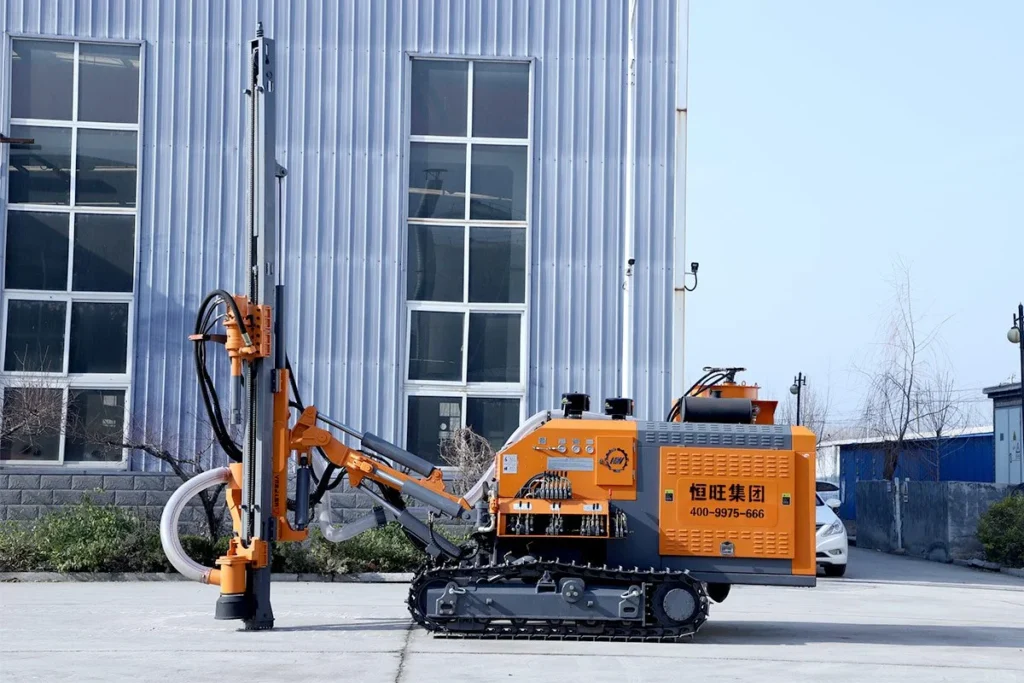
Durability in heavy machinery hinges on easy, accessible maintenance. The design of the HW421T Integrated DTH Drill Rig typically features intelligent component layout, providing ample access to key service points, including the engine, hydraulic filters, and air intake filters. Rapid serviceability minimizes the time the machine spends inactive in the shop.
Furthermore, the integration often means that the engine and compressor share a standardized set of parts and maintenance procedures, simplifying inventory management for users who own multiple units. Investing in a rig that prioritizes service access and uses globally available components ensures that required maintenance can be performed quickly, either in-house or through the supplier’s network. This dedication to maintainability ensures the consistent, reliable performance expected from a piece of essential engineering machinery. The long-term efficiency and lifespan of the HW421T Integrated DTH Drill Rig are directly tied to the diligence of its maintenance program.
Conclusion: Making the Informed Investment
Choosing the right drilling equipment is an exercise in strategic planning. The HW421T Integrated DTH Drill Rig offers a compelling package of high-efficiency DTH performance combined with the logistical advantage of an integrated platform. For engineering machinery users, the selection process must move beyond initial purchase price to a thorough evaluation of the machine’s technical specifications—power, air capacity, drilling range—against the specific demands of their typical projects. By prioritizing the rig’s ability to maximize penetration rates, minimize fuel consumption, and simplify operational logistics, users can ensure they select an HW421T Integrated DTH Drill Rig configuration that serves as a powerful, reliable, and highly profitable asset for years to come.
FAQ (Frequently Asked Questions)
Q: What does “Integrated” mean in the context of the HW421T DTH Drill Rig?
A: “Integrated” means that the drill rig and the high-pressure air compressor are mounted on the same self-propelled chassis. This single-unit design eliminates the need to tow or connect a separate air compressor, which simplifies transportation, reduces setup time, and minimizes fuel consumption by utilizing a single, matched power source.
Q: How does the HW421T Integrated DTH Drill Rig manage dust and cuttings on the job site?
A: The rig typically includes an advanced dust collection system. This system uses air suction to pull dust and rock cuttings away from the drill hole, passing them through a series of filters before safely releasing clean air. Effective dust management is crucial for maintaining air quality, complying with environmental regulations, and improving the visibility and safety for the operator.
Q: Is the HW421T Integrated DTH Drill Rig suitable for vertical and inclined drilling?
A: Yes. The rig is designed with a versatile feed beam and boom system that allows for a wide range of drilling angles. Its hydraulic articulation and maneuvering capabilities enable operators to precisely set up for both vertical blast holes and various inclined holes required for pre-splitting, slope stabilization, or detailed contour drilling in quarry and mining applications.