When loose soil or steep inclines threaten to halt site operations, wheeled vehicles often fail. This is why investing in a robust crawler dumper is a strategic necessity for construction professionals. For project managers and procurement officers, selecting the right track carrier ensures timelines stay on track despite adverse ground conditions. I will guide you through the technical specifications and sourcing strategies needed to make a profitable investment. We will examine how to evaluate performance data to solve your specific logistical challenges.
Why Choose a Crawler Dump Truck for Sale Over Wheeled Options?
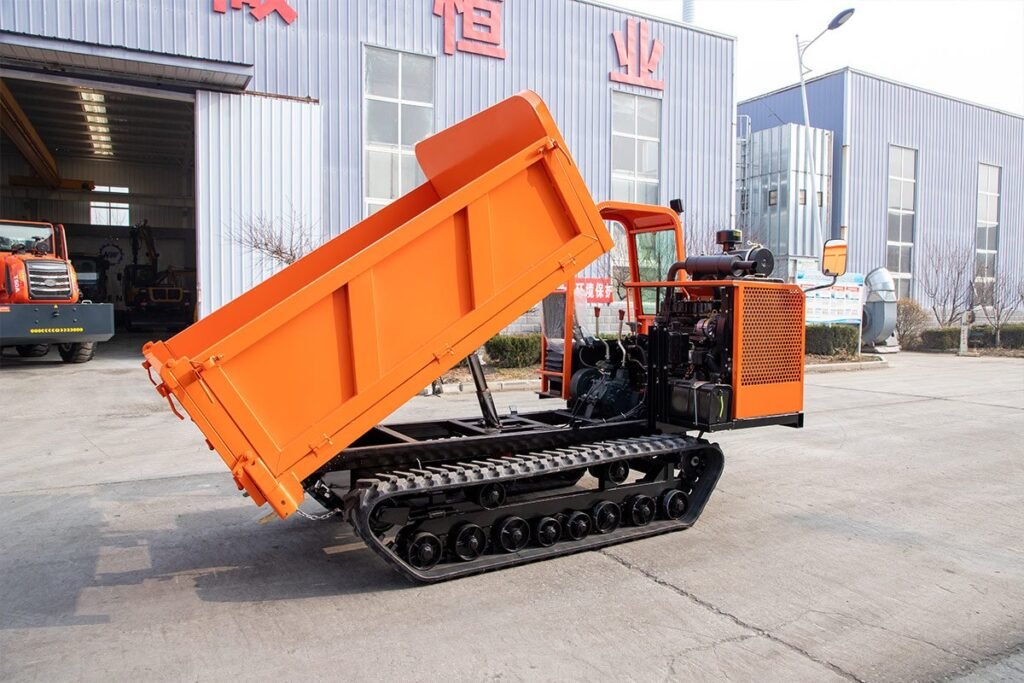
The primary reason to investigate a crawler dump truck for sale is ground pressure management. Unlike wheeled trucks that concentrate weight, crawler tracks distribute the load over a larger surface area. This allows the machine to “float” over mud, sand, or snow.
According to the International Organization for Standardization (ISO), specifically regarding earth-moving machinery (ISO 6165), track-type machines are defined by their ability to provide superior traction. This traction is essential for safety on gradients where wheeled dumpers might slip.
Furthermore, these machines offer a tighter turning radius. On confined construction sites, the ability to pivot-turn minimizes the space required for maneuvering. This efficiency directly impacts your cycle times and fuel consumption.
Critical Specifications to Analyze Before Buying
When evaluating a crawler dump truck wholesale, you must look beyond the price tag. The first specification to verify is the payload capacity relative to the machine’s gross weight. A balanced ratio ensures the engine is not overworked.
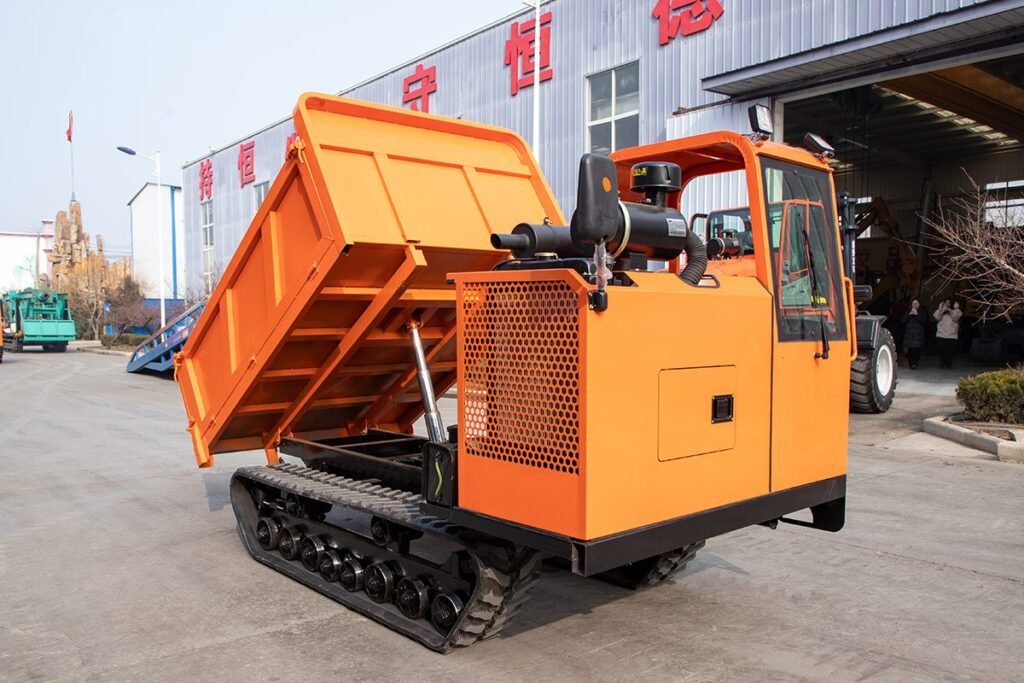
Engine performance and hydraulic stability are equally critical. You need an engine that delivers high torque at low RPMs to navigate steep inclines while fully loaded. I always recommend checking the hydraulic flow rates, as this dictates the speed of the tipping mechanism.
Safety standards are another non-negotiable factor. The Occupational Safety and Health Administration (OSHA) emphasizes the importance of Rollover Protective Structures (ROPS) on site equipment. Ensure your selected model complies with these safety protocols to protect your operators.
Evaluating a Crawler Dump Truck Supplier
Finding a reliable crawler dump truck supplier is as important as the machine itself. In the B2B sector, the long-term value of equipment relies heavily on after-sales support. You must verify the availability of spare parts, particularly for high-wear components like rubber tracks and rollers.
I suggest asking potential suppliers about their quality control processes. A reputable supplier should provide detailed documentation regarding the manufacturing standards. This transparency builds trust and reduces the risk of unexpected downtime.
Additionally, consider the versatility of the supplier’s inventory. A provider who understands different industrial needs will offer models with adaptable features, such as self-loading buckets or 180-degree swivel skips.
Matching Machine Capability to Your Project Needs
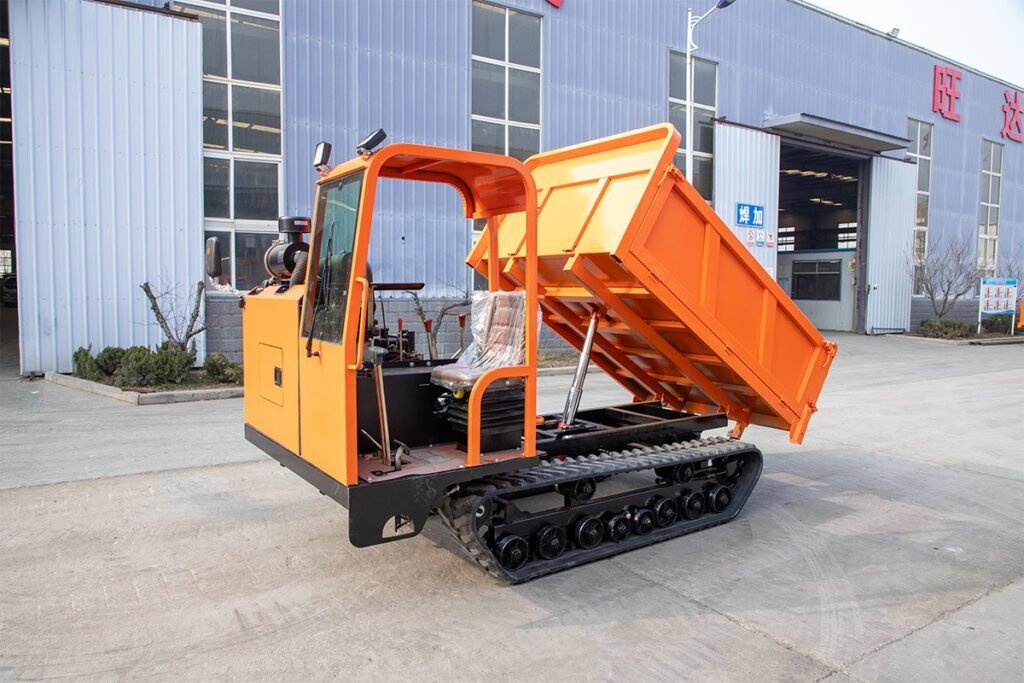
Determining the right fit for your fleet requires a clear assessment of your typical job site conditions. If your projects frequently involve soft peat or steep quarry work, a heavy-duty model like the HW5000L Crawler Dumper becomes a strong candidate.
You should evaluate the undercarriage design of the specific unit. A floating roller design helps smooth out the ride on rough terrain, reducing operator fatigue. This specific model offers a 5000kg payload, which strikes a balance between high volume and transportability.
Finally, assess the maintenance accessibility. Features that allow easy access to the engine and hydraulic filters will lower your total cost of ownership. When a machine is easy to service, your team is more likely to maintain it correctly.
Summary
Selecting the right crawler dumper requires balancing payload capacity, terrain adaptability, and safety features. Tracks offer superior stability on soft ground compared to wheeled alternatives. Always verify that your crawler dump truck supplier provides robust after-sales support. By focusing on technical specs like the HW5000L’s capacity, you ensure a high ROI for your fleet.
FAQ
Q1:What is the main advantage of a crawler dumper over a wheeled dumper?
The main advantage is lower ground pressure, which allows the crawler dumper to operate on soft, muddy, or uneven terrain without sinking or getting stuck.
Q2:How do I determine the right size crawler dump truck for sale?
You should calculate your average material density and daily volume requirements, then select a machine with a payload capacity (e.g., 5 tons) that meets these needs without exceeding site width restrictions.
Q3:Are rubber tracks better than steel tracks for a crawler dumper?
Rubber tracks are generally better for minimizing damage to finished surfaces like pavement or turf, whereas steel tracks provide superior durability on sharp rocks and demolition debris.
Q4:What maintenance does a crawler dump truck require?
Routine maintenance includes checking track tension daily, greasing pivot points, monitoring hydraulic fluid levels, and regularly inspecting the undercarriage rollers for wear.
Q5:Can a crawler dumper climb steep hills when fully loaded?
Yes, most crawler dumpers are designed with high-torque engines and low centers of gravity to safely climb gradients, typically between 20 to 30 degrees, depending on the specific model.
Reference Sources
Occupational Safety and Health Administration (OSHA) – Construction Industry Standards (29 CFR 1926)
https://www.osha.gov/
Association of Equipment Manufacturers (AEM) – Safety Manuals and Guidelines
https://www.aem.org/
Health and Safety Executive (HSE) – Site Dumper Safety
https://www.hse.gov.uk/