In the heavy machinery sector, selecting the right equipment often dictates the profitability of a project. As a procurement professional or project manager, you likely understand that a crawler excavator is the backbone of difficult terrain operations. However, distinguishing between high-quality machinery and average equipment requires a deep dive into specifications and supply chain reliability.
This guide focuses on the technical and commercial aspects of tracked excavators. I will walk you through their mechanical advantages, specific industrial applications, and how to navigate the current crawler excavator supply market. My goal is to provide you with the criteria needed to make an informed purchasing decision that aligns with your operational needs.
What Is a Crawler Excavator and How Does It Work?
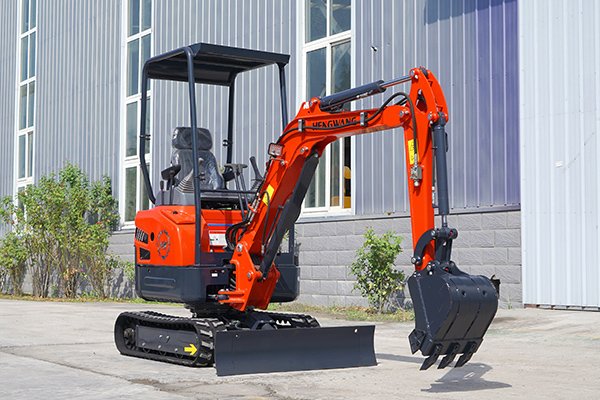
To make an informed investment, we must first standardize our definitions. According to the International Organization for Standardization (ISO), specifically within earth-moving machinery classifications, a crawler excavator is defined by its tracked undercarriage. Unlike wheeled variants, this machine relies on continuous tracks (treads) to distribute weight across a larger surface area.
The Mechanics of Stability
The core value of this machine lies in its low ground pressure. I have observed that on soft soil or muddy construction sites, wheeled machines often struggle with traction. The crawler design mitigates this by floating over loose terrain. The upper structure rotates 360 degrees, allowing the operator to dig, lift, and dump without moving the undercarriage.
Hydraulic Efficiency
The workhorse element of these machines is the hydraulic system. It converts engine power into hydraulic pressure, driving the boom, arm, and bucket. When you evaluate models, the efficiency of this energy transfer determines fuel consumption and breakout force.
Critical Crawler Excavator Uses in Modern Construction
Understanding crawler excavator uses is essential for determining if this machine fits your fleet. These machines are not just for digging holes; they are versatile tool carriers designed for specific environments where stability is non-negotiable.
Heavy-Duty Earthmoving
The primary function remains moving large volumes of material. Due to their superior traction, these excavators can climb steep gradients that would stall other machinery. This makes them indispensable for mining operations and major road infrastructure projects.
Demolition and Forestry
With the right attachments, the utility of these machines expands significantly.
- Demolition: fitted with hydraulic shears or breakers.
- Forestry: equipped with mulchers or harvester heads.
- The tracked base provides the necessary center of gravity to handle heavy, off-center loads safely during these operations.
Lifting Operations
Many B-End users overlook the lifting capacity of these machines. They often serve as mobile cranes on job sites for laying pipes or positioning trench boxes. However, you must always adhere to the load charts strictly to maintain stability.
How to Use Crawler Excavator Specs for Procurement
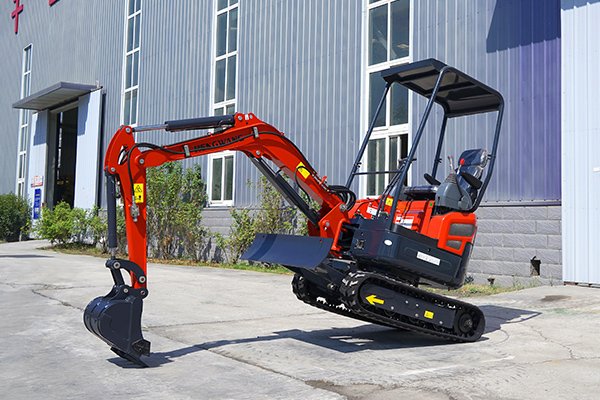
When asking how to use crawler excavator technical data for procurement, you must look beyond the horsepower. The engine power is important, but the balance between hydraulic flow and operating weight is what defines performance.
Analyzing Operating Weight
The operating weight dictates the machine’s stability and lifting capacity. For urban projects with limited space, a compact model is preferable. For mining, you need maximum mass to counteract the digging force. You must match the tonnage class to your most frequent job site constraints.
Evaluating Hydraulic Flow
The speed of the cycle—how fast the machine digs, dumps, and returns—depends on hydraulic flow. A higher flow rate allows for smoother multi-function operation (e.g., swinging while lifting). I recommend prioritizing machines that use reputable hydraulic components, as this directly impacts long-term maintenance costs.
Engine Reliability Standards
The power source must meet local emission standards (such as Tier 4 Final or Stage V). Furthermore, the engine brand matters. Reliable engines from established manufacturers ensure that spare parts are available globally, which is a critical factor in crawler excavator supply logistics.
Navigating Crawler Excavator Supply Chains
Sourcing heavy machinery is a commercial investigation into the manufacturer’s capability. The crawler excavator supply chain has fluctuated recently, making it vital to choose suppliers with consistent inventory and parts support.
Verify Manufacturing Standards
Not all excavators are built equally. You should verify if the manufacturer adheres to safety and quality standards set by organizations like the Association of Equipment Manufacturers (AEM) or similar regional bodies. This ensures the steel grades and welding quality can withstand years of structural stress.
After-Sales Support Ecosystem
A machine is only as good as its support network. Before finalizing a transaction, investigate the supplier’s warranty terms and parts availability. A lower upfront cost often leads to higher long-term expenses if proprietary parts are difficult to source.
Defining Your Selection Criteria

Once you have analyzed the technical specifications and market supply, the final step is matching a specific model to your business goals. This involves looking at the specific configuration of the equipment to ensure it delivers a return on investment.
Assessing the HW-23W Model Suitability
When evaluating versatile options in the market, models like the HW-23W Crawler Excavator present a specific value proposition. While technically possessing features often associated with wheeled mobility in some nomenclatures, this unit in the crawler category is designed for robust performance.
Key Judgment Factors
- Component Integrity: Check if the core components (engine and pump) are from globally recognized brands.
- Versatility: Does the machine support the attachments you currently own or plan to buy?
- Cost-Benefit Analysis: Does the price point align with the projected lifespan and resale value?
By focusing on these verifiable attributes rather than marketing fluff, you ensure that your capital expenditure secures a reliable asset for your fleet.
Conclusion
A crawler excavator is a significant investment that offers unmatched stability and power in difficult terrains. By understanding the mechanics, diverse uses, and critical procurement specifications, you can navigate the supply market with confidence. Prioritize reliable hydraulic systems and robust undercarriages to ensure your equipment delivers consistent value across future projects.
FAQ
1. What is the main difference between a crawler excavator and a wheeled excavator?
The main difference is the undercarriage; a crawler excavator uses tracks for superior stability and traction on rough or soft terrain, whereas a wheeled excavator uses tires for speed and mobility on hard surfaces.
2. How long does a crawler excavator typically last?
With proper maintenance, a crawler excavator typically lasts between 7,000 to 10,000 operating hours, though this varies based on work intensity and adherence to service schedules.
3. Do I need a special license to operate a crawler excavator?
Yes, most jurisdictions and insurance policies require operators to hold a specific heavy equipment certification or license, often mandated by safety bodies like OSHA in the US.
4. Can crawler excavators work on pavement?
They can, but the steel tracks will damage the pavement; rubber pads or rubber tracks are required to operate on asphalt without causing surface damage.
5. What are the primary safety risks when using a crawler excavator?
The primary risks include tip-overs on uneven ground, striking underground utilities, and swing radius accidents, all of which require strict adherence to site safety protocols.
Reference Sources
- Occupational Safety and Health Administration (OSHA) – Excavation and Trenching Safety Standards.
- https://www.osha.gov
- Association of Equipment Manufacturers (AEM) – Safety & Products Leadership.
- https://www.aem.org