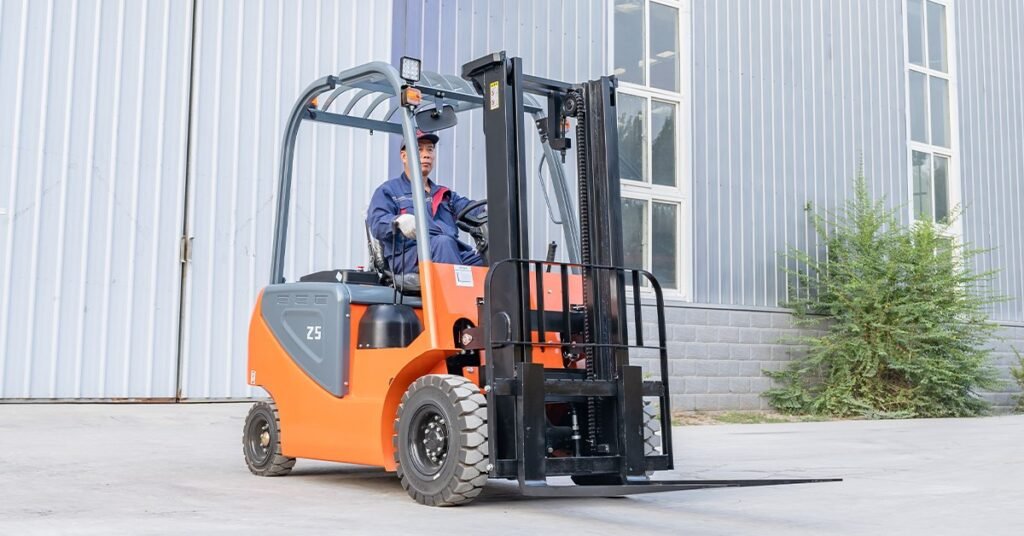
Generally, an electric forklift can hold anywhere from 3,000 to over 15,000 pounds. This equals roughly 1.3 to 6.8 tons of lifting power. Standard models typically handle between 1 to 3 tons for daily warehouse operations.
Knowing how much can an electric forklift hold is critical for workplace safety. This information serves as general guidance rather than absolute professional engineering advice. You typically must consider load centers and battery weights to ensure smooth operations.
This article explores essential load specifications and battery lifespan factors. It also explains how to source the right equipment for your specific industry needs. Understanding these metrics ensures a solid return on your machinery investment.
How Much Can an Electric Forklift Hold in Daily Operations?

The rated capacity of a machine depends heavily on the load center. The standard load center is usually 24 inches from the fork face. This assumes the load is evenly distributed on a standard pallet.
If your load is unusually long or irregularly shaped, the effective lifting capacity decreases. Moving the center of gravity further from the fulcrum point reduces stability. Operators must adjust their lifting expectations when handling oversized materials.
Safety regulations strictly govern how these machines handle heavy loads. According to the Occupational Safety and Health Administration (OSHA), any modifications must be approved by the manufacturer. Adding attachments like side shifters directly alters the vehicle’s stability triangle.
Operators must never exceed the rated limits printed on the equipment data plate. Exceeding these limits can cause the machine to tip forward dangerously. Proper training ensures workers understand how weight distribution affects overall balance.
The Impact of Battery Weight and Power Types
Battery weight plays a dual role in equipment performance and workplace safety. A standard industrial lead-acid battery can weigh over 2,000 pounds. This massive weight acts as a crucial counterweight to prevent tipping.
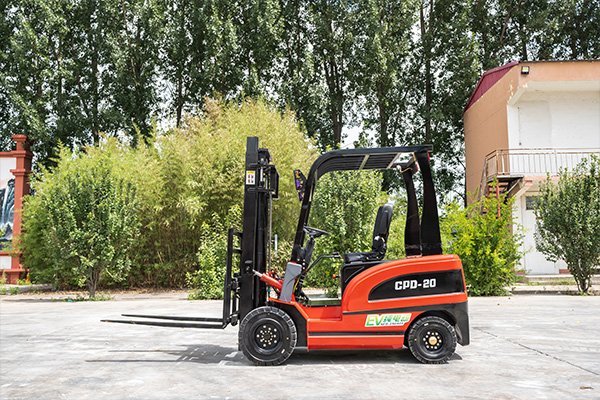
Without the correct battery weight, the machine loses its designed lifting capacity. Replacing a heavy battery with a lighter one compromises structural balance. Facility managers must strictly adhere to manufacturer specifications when replacing power units.
Lithium-ion technology offers another powerful alternative for intensive material handling. The Material Handling Institute (MHI) reports that high-capacity lithium-ion models maintain productivity levels comparable to internal combustion engines. Lithium-ion batteries charge faster and require less daily maintenance.
Choosing battery power also supports crucial environmental and sustainability goals. The Battery Council International (BCI) notes that electric fleets can use up to 83.5% less CO2 than internal combustion counterparts. The California Air Resources Board (CARB) actively promotes zero-emission models.
Why Source From Electric Forklift Manufacturers China?
Finding a reliable electric forklift for sale requires careful global market research. Many global B2B buyers now source directly from electric forklift manufacturers china. These factories offer advanced production capabilities and highly cost-effective supply chains.
Chinese manufacturers have invested heavily in lithium-ion technology and ergonomic operator cabins. These upgrades improve overall workplace safety and reduce daily operational costs. Buyers can secure high-quality machines that meet strict international engineering standards.
Working with global suppliers requires verifying export certifications and compliance documents. You should always request detailed specification sheets before making a bulk purchase. This ensures the equipment will integrate seamlessly into your existing workflows.
Partnering with a reputable 2 ton electric forklift wholesaler in china provides excellent value. It ensures you receive durable machines backed by solid aftermarket support. This approach keeps procurement costs low while significantly upgrading your fleet capabilities.
How to Choose the Right 2-Ton Electric Forklift
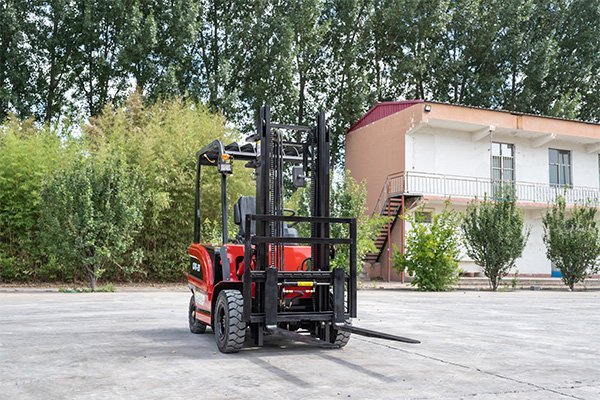
For standard warehouse tasks, a 2-ton model perfectly balances raw power and maneuverability. Buyers should prioritize compact designs that navigate narrow aisles efficiently. Clear visibility features are also essential to protect facility operators.
The HW2T Electric Forklift offers a 2-ton maximum lifting load and a 3-meter lift height. It features an ergonomic seated operation mode and highly flexible steering. Its compact body design maximizes daily productivity in restricted working environments.
This model utilizes a high-capacity 220-model battery system for sustained warehouse performance. It easily achieves maximum travel speeds of up to 30 kilometers per hour. You can visit the official platform page to view detailed specifications and request a quote.
Ultimately, an electric forklift can typically hold between 1.3 and 6.8 tons. Two-ton models remain the undisputed industry standard for general warehousing and distribution. By understanding load centers and battery capabilities, B2B buyers can confidently select equipment that maximizes productivity and ensures long-term operational safety.
FAQ
Q1: What happens if an electric forklift exceeds its load capacity?
Overloading directly disrupts the machine’s center of gravity. This significantly increases the risk of tip-overs and dangerous mechanical failures. Operators should always verify load weights before attempting a lift.
Q2: How long does a forklift battery usually last?
Lead-acid batteries typically last five to seven years under normal operating conditions. Lithium-ion units can last nearly twice as long with proper care. Lifespan depends heavily on regular charging habits and maintenance routines.
Q3: Are electric forklifts safe for indoor warehouse use?
Yes, they produce zero tailpipe emissions during daily operation. This makes them perfectly safe for enclosed spaces and strict air quality zones. They also operate much more quietly than traditional diesel models.
Q4: How does a load center affect lifting limits?
The load center measures the distance from the forks to the load’s center of gravity. A longer load pushes the weight further forward toward the fork tips. This reduces the total weight the machine can safely lift.
Q5: Can I add attachments without changing the load capacity?
No, adding any attachments alters the effective lifting limit. Attachments add extra weight to the front of the truck. OSHA guidelines require manufacturers to approve all attachments and issue updated capacity plates.
Reference Sources
Occupational Safety and Health Administration (OSHA) – Powered Industrial Trucks Standard 29 CFR 1910.178
URL: https://www.osha.gov
Material Handling Institute (MHI) – High-capacity Electric Forklifts Industry Report
URL: https://www.mhi.org
Battery Council International (BCI) – Zero-Emission Forklifts and Lead Battery Circular Economy
URL: https://batterycouncil.org
California Air Resources Board (CARB) – Zero-Emission Forklift Regulation
URL: https://ww2.arb.ca.gov