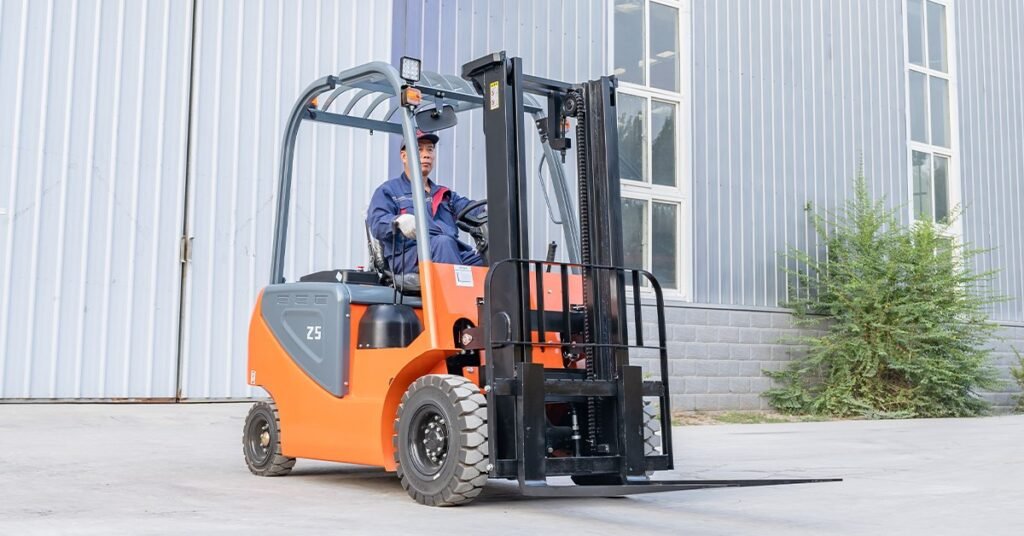
In my years of analyzing material handling equipment, I have found that selecting the right machinery defines operational efficiency. You are likely looking for a durable solution to handle heavy palletized loads in outdoor or rugged environments. The decision to invest in a diesel forklift truck often stems from a need for high torque and sustained power. However, distinguishing between high-quality manufacturing and subpar assembly is difficult in a crowded B2B market. This guide provides the technical criteria needed to validate performance and secure a reliable wholesale partnership.
Understanding the Capabilities of ITA Class 5 Trucks
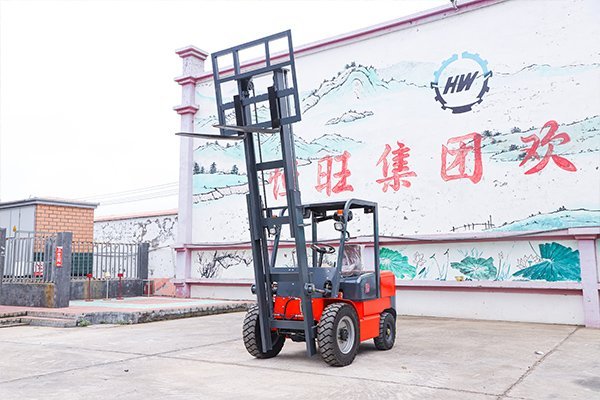
When you browse a diesel forklift truck for sale, you are technically investigating Class 5 Internal Combustion Engine trucks. The Industrial Truck Association (ITA) classifies these vehicles specifically for pneumatic tire usage. This distinction is vital for your procurement strategy.
Unlike cushion-tire warehouse lifts, these trucks are engineered for uneven terrain. In my experience, the primary advantage of this class is torque availability. A diesel engine delivers consistent power output throughout the shift, unlike electric batteries that may experience voltage sag.
You must verify that the chassis construction matches the engine’s vibration profile. A robust chassis prevents structural fatigue caused by the high compression ratios of diesel engines. This structural integrity is the first indicator of a machine’s potential lifespan.
Key Performance Indicators: Mast, Engine, and Stability
Evaluating a specific unit requires a deep dive into three critical components. The first is the mast assembly. Whether you need a standard 2-stage or a container-ready 3-stage mast depends on your vertical requirements. I always advise clients to check for hydraulic cushioning in the mast staging to protect fragile loads.
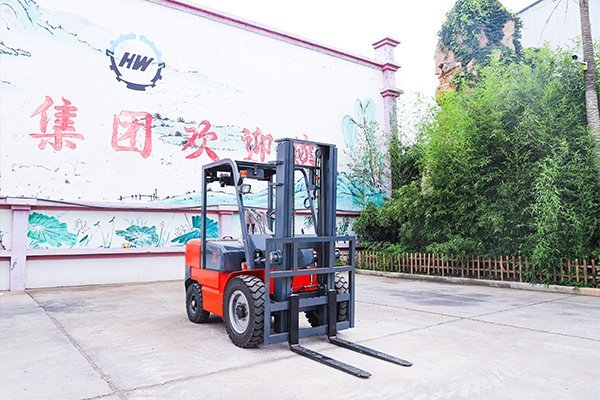
The second factor is engine compliance and efficiency. Modern procurement requires attention to emissions standards, such as Euro 5 or EPA Tier 4 requirements. A diesel forklift truck must balance raw horsepower with fuel efficiency to maintain a favorable Total Cost of Ownership (TCO).
Finally, stability is non-negotiable. According to ISO 22915 standards, a forklift must maintain stability under dynamic and static conditions. You should look for counterweight designs that optimize the center of gravity without inflating the truck’s turning radius unnecessarily.
Sourcing the Best Diesel Forklift Wholesale in China
Many global enterprises now look to Asia for fleet expansion. Finding the best diesel forklift wholesale in china is a strategic move to lower capital expenditure without sacrificing build quality. The manufacturing maturity in this region has evolved significantly.
However, “wholesale” implies volume and logistics. You need a supplier who understands international shipping standards for heavy machinery. When investigating diesel forklift truck wholesale options, prioritize manufacturers who offer modular parts availability.
Do not focus solely on the sticker price. You must evaluate the supplier’s Quality assurance (QA) protocols. A reliable B2B partner will provide transparent documentation regarding engine origin, hydraulic pump specifications, and load testing results.
Assessing the HW1.5T for Your Fleet
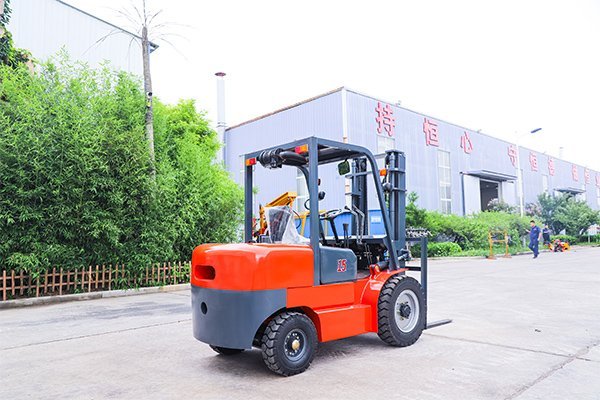
When you narrow down your options, you will need to determine if a specific model fits your operational tempo. For instance, if your facility requires a balance between heavy lifting and maneuverability, models like the HW1.5T Diesel Forklift warrant close inspection.
I recommend evaluating this 1.5-ton category based on its ergonomic layout and engine accessibility. Maintenance downtime is a major cost driver. A design that allows easy access to filters and fluids suggests an engineering focus on long-term usability.
Furthermore, check if the unit supports various attachments. Flexibility in handling different load types increases the asset’s utility value. By focusing on these functional design elements, you ensure the equipment aligns with your specific logistics workflow.
Summary
Selecting the right diesel forklift truck requires balancing engine compliance, mast versatility, and structural stability. By applying these technical criteria to your diesel forklift truck wholesale investigation, you ensure a high Return on Investment.
FAQ
1. What is the typical lifespan of a diesel forklift truck?
A well-maintained diesel forklift typically lasts between 10,000 and 20,000 operating hours, depending on the severity of the application and adherence to maintenance schedules.
2. Can I use a diesel forklift truck indoors?
OSHA generally restricts diesel forklift use indoors due to carbon monoxide emissions; they are permitted only in very well-ventilated spaces with specific air monitoring.
3. How do I verify the stability of a forklift before purchase?
You should request documentation confirming the truck meets ISO 22915 standards regarding static and dynamic stability tests for its rated load capacity.
4. Why is torque important for outdoor forklift operations?
High torque allows the forklift to navigate gradients, ramps, and rough terrain effectively without stalling, which is critical for outdoor construction or yard work.
Reference Sources
Industrial Truck Association (ITA)
https://www.indtrk.org/
Occupational Safety and Health Administration (OSHA)
https://www.osha.gov/
International Organization for Standardization (ISO)
https://www.iso.org/