The modern construction and heavy equipment landscape is dominated by machinery that offers a high degree of power, precision, and adaptability. Among these essential machines, the excavator stands out as the fundamental workhorse of virtually any major engineering endeavor. Whether a project involves initial site preparation, intricate utility installation, or large-scale demolition, an excavator is typically the first machine on the job and the last one to leave. For heavy equipment users and construction professionals, a deep understanding of the diverse capabilities, types, and operational nuances of the excavator is not merely beneficial—it is absolutely critical to maximizing productivity and ensuring project profitability.
This piece provides a comprehensive, practical guide tailored to the needs of the engineering and construction product user, delving into the core features and specialized applications of this indispensable machine. Indeed, the excavator’s versatility, which stems from its powerful hydraulic system and 360-degree rotating house, fundamentally reshapes how large-scale earthmoving and material handling tasks are approached across the globe. Consequently, making the right choice of machine and attachment is a decision that significantly impacts both the timeline and the budget of any operation.
The Foundation of Modern Earthmoving: What Defines an Excavator?
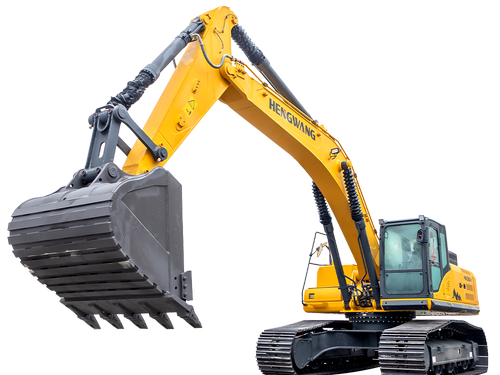
At its core, an excavator is a piece of heavy construction equipment designed for digging, trenching, and lifting. It consists of a revolving house, which contains the operator’s cab, engine, and hydraulic pump, connected to an undercarriage. The primary working components are the boom, the stick (or dipper), and the attached bucket. This configuration, powered by a robust hydraulic system, allows the operator to execute powerful and highly controlled movements. Therefore, the hydraulic system is considered the heart of the machine, responsible for delivering the high force required for heavy excavation and lifting.
The machine’s ability to rotate its superstructure fully through 360 degrees allows it to dig or load materials while remaining stationary, a key advantage in tight or high-traffic workspaces. This characteristic, in particular, distinguishes the excavator from other earthmoving machines like backhoes or loaders, making it exceptionally efficient for tasks requiring continuous movement of material from one point to an adjacent one, such as loading haul trucks. Furthermore, the undercarriage can be equipped with either tracks or wheels, resulting in the primary classification of Excavator types, each tailored for different terrain and mobility requirements.
Diverse Types and Their Distinctive Features
The term Excavator encompasses a broad range of machines, each engineered with specific features to excel in particular applications within the construction sphere. Understanding these variations is essential for optimal equipment procurement and utilization.
Crawler and Wheeled Excavators
The most common variant is the Crawler Excavator. These machines utilize a track-based undercarriage, which distributes the machine’s weight over a larger area. Consequently, superior stability and low ground pressure are achieved, making them the preferred choice for rough, soft, or uneven terrain, such as major construction sites, mining operations, and large-scale earthmoving. While their travel speed is limited, their sheer digging power and stability are unmatched for heavy-duty work.
Conversely, Wheeled Excavators are equipped with rubber tires instead of tracks. This design feature permits much greater mobility and speed on paved roads and hard, flat surfaces, often allowing them to be driven between job sites without the need for a separate transport trailer. They are ideally suited for municipal roadwork, urban construction, and projects where minimal surface disruption is paramount. However, their stability and performance diminish noticeably on extremely soft or challenging terrain compared to their tracked counterparts.
Specialty Excavator Classifications
Beyond the standard models, a number of highly specialized Excavator variants have been developed to tackle unique engineering challenges.
- Long-Reach Excavators: These machines are defined by their significantly extended boom and stick assembly. They are invaluable for tasks requiring extended horizontal or vertical reach, such as deep trenching, dredging waterways, or demolishing tall structures safely from a distance.
- Mini and Compact Excavators: Falling under the weight class of typically less than seven metric tons, these smaller machines are engineered for maneuverability in confined spaces. They are essential for residential projects, landscaping, and indoor demolition work where their size allows them to navigate narrow entry points and operate without damaging surrounding infrastructure.
- Demolition Excavators: These are often large, heavily modified units equipped with specialized safety features and reinforced components. They utilize hydraulic shears, crushers, or breaker attachments for the methodical dismantling of concrete and steel structures. Their robust design prioritizes safety and the efficient processing of debris.
Core Applications in the Engineering Machinery Domain
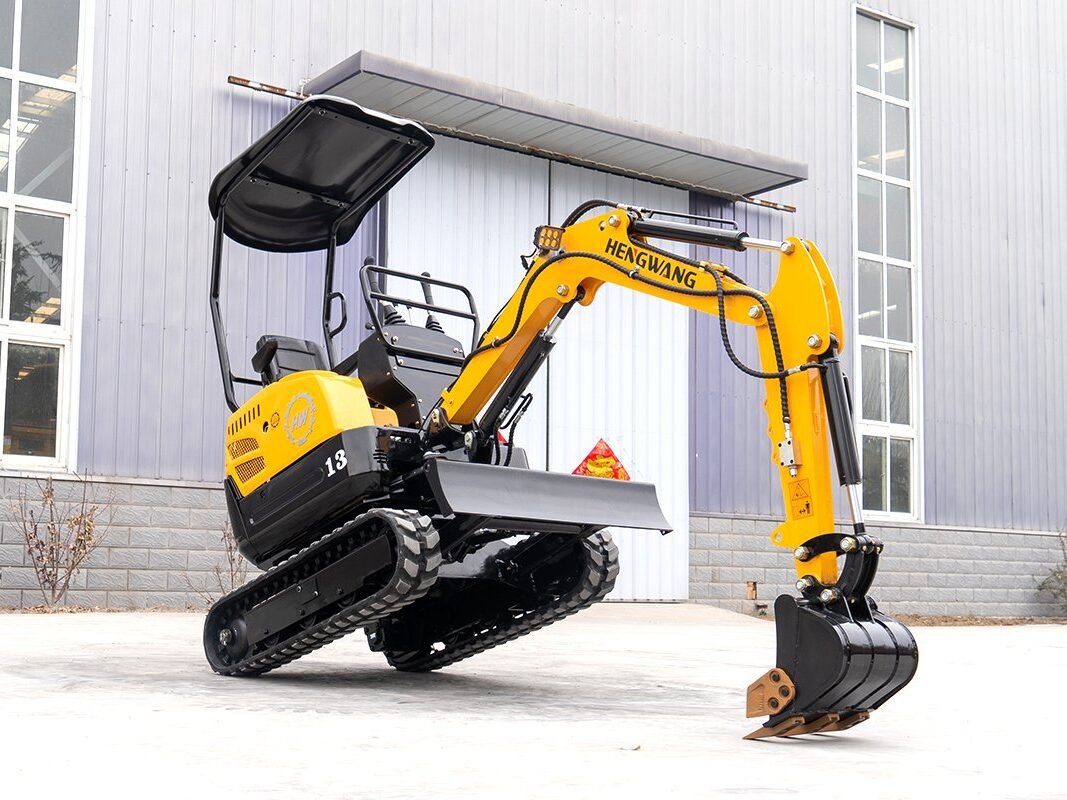
The true value of the excavator is realized through its profound impact on core engineering and construction tasks. The machine’s adaptability, particularly through the use of a wide array of hydraulic attachments, allows it to perform functions far beyond simple digging.
Earthmoving and Site Preparation
Undoubtedly, the primary role of the excavator remains earthmoving. This involves preparing a construction site by clearing, leveling, and relocating massive amounts of soil, rock, or debris. For foundation work, the precise digging capability of the hydraulic excavator is used to create trenches and footings with exact dimensions, a requirement for structural integrity. Furthermore, accurate landscape grading is often achieved with the use of a tilt bucket attachment, allowing operators to sculpt the land for proper drainage and aesthetic appeal.
Demolition and Material Handling
In demolition, the excavator acts as a powerful, precision tool. When fitted with a hydraulic breaker, it can systematically chip away at concrete slabs and rock formations. With a grapple or shear attachment, it can safely tear down steel structures and sort the resulting scrap material for recycling. This latter application, material handling, is a constant requirement on almost every job site, where the excavator is instrumental in lifting and positioning heavy pipes, concrete barriers, or loading waste into dump trucks.
Utility Installation and Trenching
The installation of vital utilities—water, sewer, gas, and power lines—requires deep, often narrow, trenches. The excavator excels here, with specialized trenching buckets being employed to create clean cuts with minimal disruption to the surrounding soil. For more delicate jobs, a suction excavator may be utilized. This specialized truck-mounted unit uses high-powered vacuum technology and pressurized air or water to remove soil around buried utility lines, ensuring that existing cables or pipes are not inadvertently damaged during the excavation process.
Operational Efficiency and Future Outlook
The modern excavator is becoming increasingly integrated with advanced technology to enhance operational efficiency and precision. Features such as on-board GPS, semi-automated grading systems, and real-time operational data collection are now common. These technologies enable operators to work to tighter tolerances, reducing the need for manual checks and minimizing costly rework.
The future of the excavator is clearly trending toward sustainability and increased automation. Electric and hybrid models are being introduced to reduce emissions and lower fuel costs, a significant advantage in urban environments with strict environmental regulations. Moreover, advanced telematics and predictive maintenance systems are enabling equipment users to monitor the health of their fleet proactively, thereby maximizing uptime and extending the service life of these valuable assets. By prioritizing informed selection and proper use of the excavator, construction professionals will continue to drive forward the safety and success of the industry’s most ambitious projects.
FAQ for Heavy Equipment Users
Q1: What is the main difference between a Mini Excavator and a Backhoe Loader?
A: The primary difference lies in their configuration and function. A Mini Excavator is a dedicated digging machine featuring a 360-degree rotating cab, which provides greater maneuverability and digging flexibility. A Backhoe Loader is essentially a tractor with a loader bucket on the front and a digging arm (backhoe) on the back. While versatile, the backhoe arm is fixed and cannot fully rotate, making the dedicated excavator typically more efficient for large-scale or precision digging tasks.
Q2: How do I choose between a Tracked (Crawler) and a Wheeled Excavator?
A: The decision should be based on the job site’s surface and terrain. If the project involves soft soil, steep inclines, mud, or requires maximum stability and floatation, a Crawler Excavator is the correct choice. If the work is primarily on paved roads, concrete, or in an urban area where fast travel between spots is needed and minimizing damage to the surface is a priority, then a Wheeled Excavator is more suitable.
Q3: What are the key benefits of using various hydraulic attachments on an Excavator?
A: Hydraulic attachments significantly enhance the machine’s versatility, allowing it to perform specialized tasks that go far beyond its standard digging role. Using attachments such as hammers, shears, augers, or tilt buckets means one machine can be used for digging, breaking, drilling, and fine grading, thereby reducing the number of different machines required on a site and lowering overall operating costs.