Choosing between heavy machinery often determines the efficiency of a construction project. The excavator vs backhoe debate is common among contractors and site managers. Both machines utilize a digging arm and bucket for earthmoving tasks. However, their structural designs and operational capabilities differ significantly. Understanding these nuances helps in selecting the most cost-effective tool for your specific job site requirements.
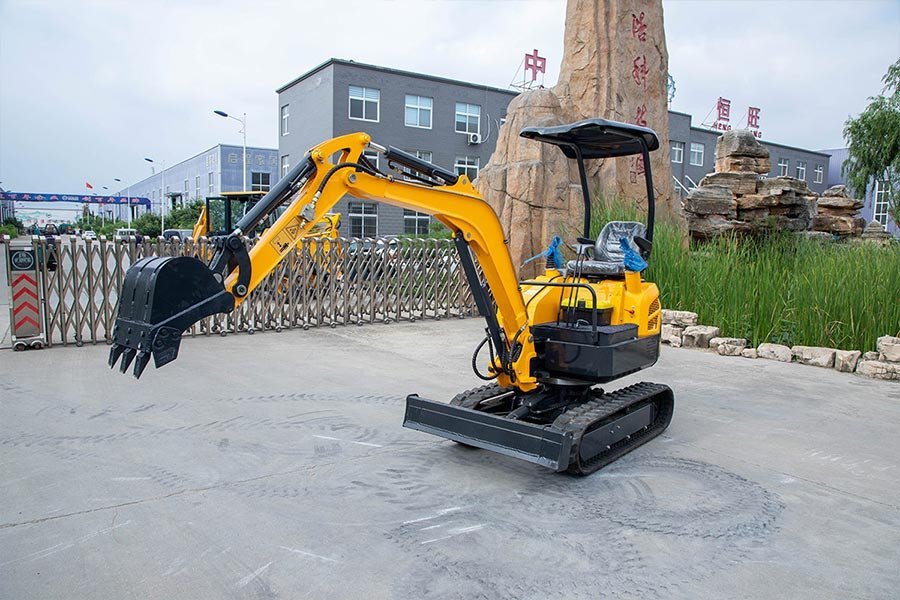
An excavator is a heavy-duty machine designed primarily for digging and lifting. It consists of a boom, stick, and bucket attached to a rotating platform. This platform, known as the house, sits atop an undercarriage with tracks or wheels. Most modern units, such as the HW-20W Crawler Excavator, utilize tracks for superior stability. This design allows for high-intensity work in challenging environments.
A backhoe, or backhoe loader, is a multipurpose vehicle built on a tractor frame. It features a loader bucket on the front and a digging arm on the rear. Unlike the dedicated nature of an excavator, a backhoe serves as a hybrid machine. It is designed for versatility and can travel on public roads between work sites. This makes it a popular choice for smaller municipal or residential projects.
What is the Main Difference Between an Excavator and a Backhoe?
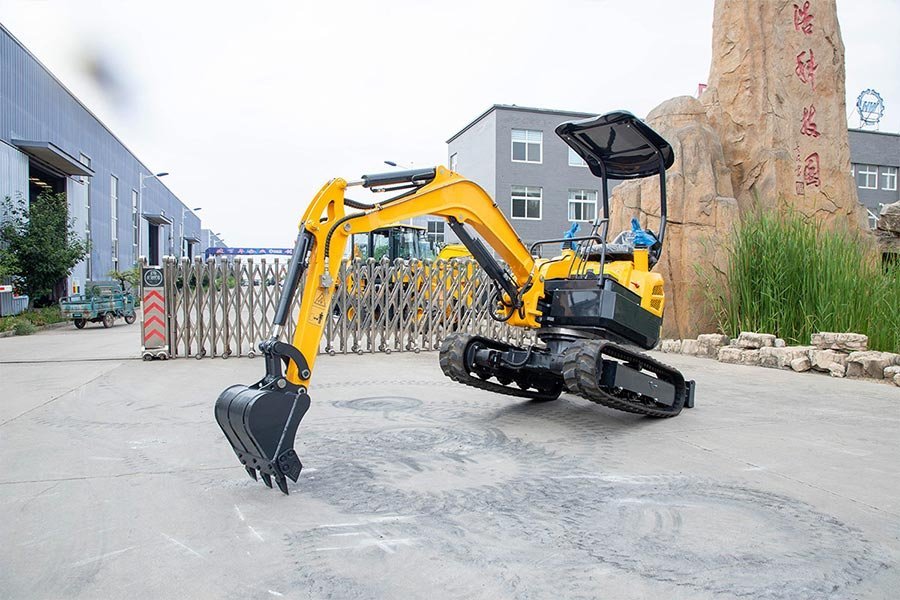
The primary difference lies in the machine’s rotation and size. An excavator features a 360-degree rotating cab and boom assembly. This allows the operator to dig, swing, and dump materials anywhere within the machine’s radius. Such full rotation increases efficiency in deep trenching and large-scale excavation. It eliminates the need to reposition the entire machine frequently during operation.
A backhoe loader has a much more limited rotation range. The rear digging arm typically swings within a 200-degree arc. This limitation requires the operator to position the tractor carefully before starting the work. While it lacks full rotation, the backhoe compensates with its front-end loader. This dual-functionality allows it to perform both digging and light hauling tasks.
Size and weight also set these two machines apart. Excavators range from mini models weighing 1 ton to massive mining units exceeding 800 tons. Backhoes are generally much smaller and more consistent in size. Most backhoes weigh between 7 and 15 tons, making them ideal for light to medium-duty work. The choice often depends on the scale of the material being moved.
Excavator vs Backhoe: Comparing Performance and Mobility
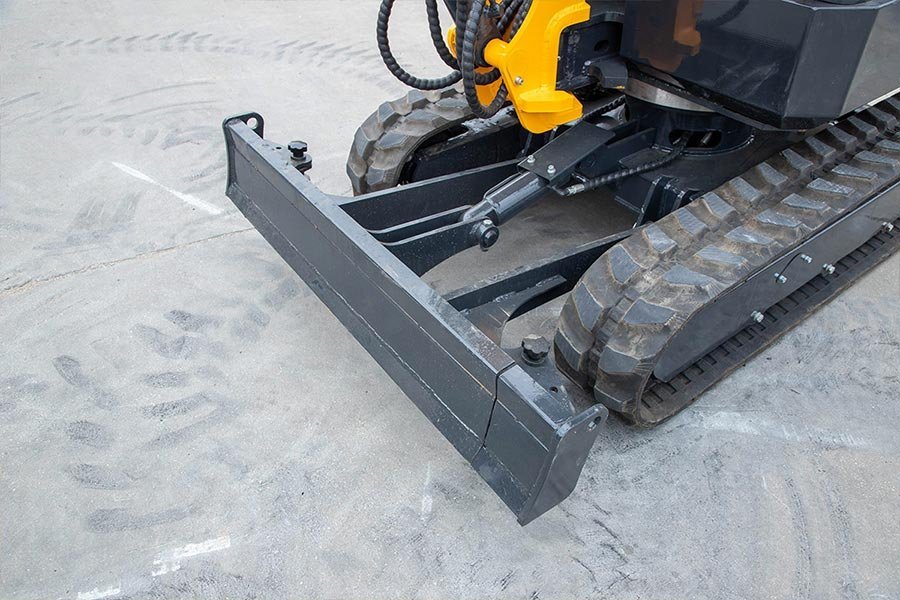
Mobility plays a crucial role in the excavator vs backhoe selection process. Most excavators are crawler units that move on metal or rubber tracks. Tracks provide excellent traction and low ground pressure on soft or uneven terrain. However, they move slowly and require a trailer for transport between different job sites. This makes them stationary powerhouses once they arrive at a location.
Backhoes are typically wheeled vehicles designed for speed and road travel. They can reach speeds of up to 25 miles per hour on paved surfaces. This allows operators to drive the machine directly to the project site. The wheels provide great mobility on firm ground but may struggle in deep mud. This makes the backhoe a better fit for scattered tasks across a large, flat area.
The following table summarizes the technical differences between these two machines:
| Feature | Excavator | Backhoe |
| Rotation | 360 Degrees | 200 Degrees |
| Drive System | Tracks (usually) | Wheels |
| Weight Range | 1 to 800+ Tons | 7 to 15 Tons |
| Primary Use | Heavy Digging & Demolition | Small Digging & Loading |
| Mobility | Low (Needs Trailer) | High (Road Legal) |
Power output is another area where the machines diverge. Excavators are built for high-performance hydraulic force. They can handle heavy attachments like hydraulic breakers, augers, and shears. Backhoes are versatile but lack the sheer breakout force of a dedicated excavator. For projects involving rock or deep foundations, the excavator remains the superior choice.
Which Machine is Best for Your Specific Project?
Project scope dictates the necessity of an excavator vs backhoe. For massive earthmoving or industrial demolition, an excavator is indispensable. Its 360-degree swing allows it to load trucks continuously without moving its tracks. This speed is vital for meeting deadlines on large commercial construction sites. Specialized models like the HW-20W Crawler Excavator offer precision for these demanding environments.
Residential landscaping and utility work often favor the backhoe. Its smaller footprint allows it to navigate driveways and narrow streets easily. Because it features a front loader, it can also spread mulch or move small piles of dirt. Contractors who perform a wide variety of minor tasks prefer this “all-in-one” capability. It reduces the need to rent multiple specialized machines for a single job.
Cost considerations also influence the final decision. Generally, a backhoe is more affordable to rent or purchase than a large excavator. It also saves money on transportation fees since it does not require a heavy-haul trailer. However, for high-volume digging, the excavator’s efficiency can lower the overall cost per cubic yard. Analyzing the total volume of earth to be moved is essential for budgeting.
Evaluating Site Conditions for Equipment Selection
The physical environment of your job site heavily impacts equipment performance. If your project is located on a steep slope or soft marshland, a crawler excavator is necessary. Tracks distribute the machine’s weight over a larger surface area. This prevents the equipment from sinking or losing traction during critical lifts. Stability is the hallmark of the crawler design in difficult terrain.
For projects on finished surfaces like asphalt or concrete, a wheeled backhoe is often safer. The rubber tires do not tear up the ground like steel tracks do. This is particularly important for utility repairs in suburban neighborhoods. If you must use an excavator on pavement, you should choose a model with rubber tracks. These provide a compromise between stability and surface protection.
Choosing the right machine involves assessing both the task and the terrain. If the project requires deep digging and heavy lifting, a crawler model provides the best results. The HW-20W Crawler Excavator serves as an excellent example of a machine built for stability and precision. Evaluating these technical specs ensures that your equipment supports your project goals effectively.
Summary
The excavator vs backhoe choice depends on project scale, required rotation, and site terrain. Excavators offer 360-degree rotation and heavy digging power, ideal for large-scale industrial tasks. Backhoes provide versatility and road mobility for smaller, multi-purpose jobs. Selecting the correct machine ensures maximum productivity and safety on any construction site.
FAQ
Q:Can an excavator do everything a backhoe can do?
An excavator can perform most digging tasks more efficiently, but it lacks the front-loading bucket of a backhoe. While you can attach different buckets to an excavator, the backhoe is specifically designed for dual-purpose loading and digging.
Q:Is a backhoe safer than an excavator?
Both machines are safe when operated by trained professionals following OSHA guidelines. Excavators offer better stability on uneven ground due to their tracks, while backhoes are safer for traveling on public roads.
Q:Which machine is better for trenching?
An excavator is generally better for long or deep trenching due to its 360-degree rotation and higher hydraulic power. A backhoe is suitable for shallow utility trenches in confined residential areas where space is limited.
Q:How do I decide between tracks and wheels?
Choose tracks for soft, muddy, or hilly terrain where stability and traction are the highest priorities. Select wheels if you need to move the machine quickly between locations or work on sensitive paved surfaces.
Reference Sources
Occupational Safety and Health Administration (OSHA): Heavy Equipment Safety
https://www.osha.gov
Association of Equipment Manufacturers: Industry Standards
https://www.aem.org