In the dynamic world of engineering and construction, the right equipment is not just a tool; it’s a strategic asset that can define a project’s success. You need machinery that is resilient, versatile, and dependable, especially when working on unforgiving landscapes. This brings us to a crucial question for project managers and equipment operators alike: is the HW-T100A all-terrain forklift the right choice for your next challenging job? This comprehensive article delves into the core capabilities and practical applications of the HW-T100A all-terrain forklift, providing a thorough analysis to help you make an informed decision. Far more than a simple lift truck, this machine is engineered to overcome obstacles and streamline operations on terrain that would halt conventional forklifts.
The HW-T100A all-terrain forklift stands out in a crowded market because of its specialized design. While many forklifts are confined to paved or smooth surfaces, the HW-T100A is purpose-built to navigate rugged, uneven ground. Its robust construction and intelligent features make it a vital piece of equipment for a wide range of industries, including construction, agriculture, mining, and forestry. This machine is a testament to modern engineering, blending power with precision to handle heavy loads in environments where traditional equipment simply can’t operate. For anyone in the engineering and construction fields, understanding the unique advantages of this model is essential for optimizing project efficiency and safety.
A Deeper Look: The Design and Core Strengths of the HW-T100A

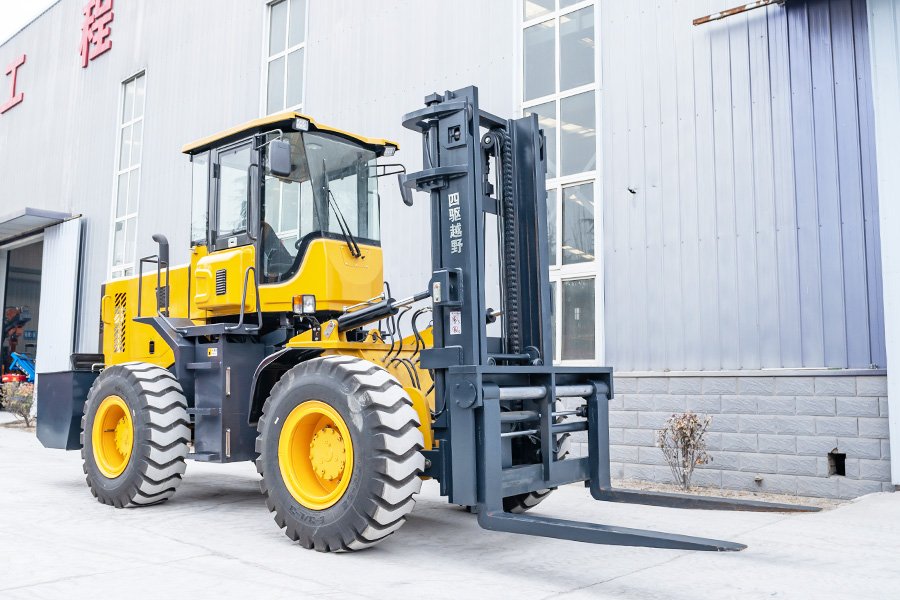
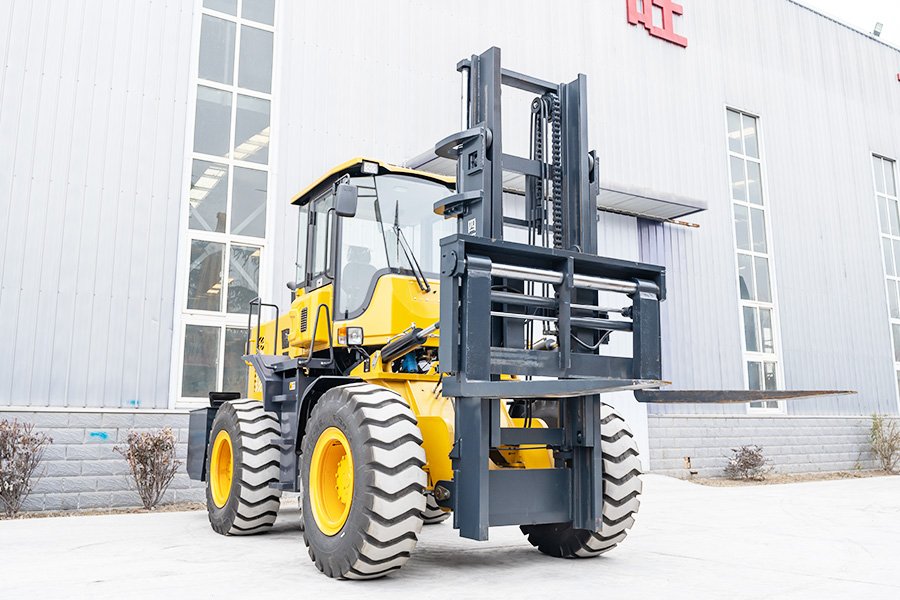
When you first encounter the HW-T100A all-terrain forklift, its commanding presence immediately signals its purpose. The machine’s design is a thoughtful combination of ruggedness and operational efficiency. At its heart is a powerful engine that delivers the torque needed to move substantial loads across difficult ground. This power is complemented by an advanced four-wheel-drive system, which ensures maximum traction and stability. This is particularly critical on slopes or soft surfaces where maintaining control is paramount. The large, pneumatic, all-terrain tires with deep treads are not just for show; they are a key feature that provides superior grip and shock absorption, protecting both the operator and the load from the rigors of the ground below.
One of the most significant features of the HW-T100A all-terrain forklift is its high ground clearance. This is not a trivial detail; it is a fundamental design choice that allows the machine to traverse over rocks, debris, and uneven ground without getting stuck or damaging its undercarriage. The chassis is built to withstand impact and constant vibration, ensuring long-term durability in the harshest working conditions. The machine’s stability is further enhanced by its wide wheelbase, which minimizes the risk of tipping, even when lifting heavy materials to their maximum height. This focus on stability and durability translates directly to a safer and more productive work environment.
Furthermore, the hydraulic system of the HW-T100A all-terrain forklift is exceptionally responsive, allowing for smooth and precise control of the mast and forks. Operators can raise, lower, and tilt loads with a high degree of accuracy, which is crucial for tasks like placing building materials on a scaffold or stacking crates in an open field. The mast itself is designed for strength and visibility, giving the operator a clear view of the load and the surrounding area. This combination of powerful mechanics and ergonomic design makes the HW-T100A a formidable and reliable partner on any job site.
The Versatile Applications of a Specialized Machine
The true value of the HW-T100A all-terrain forklift lies in its remarkable versatility. Its ability to perform in multiple challenging environments makes it an indispensable tool for a variety of industries. On a construction site, this forklift can be used to transport bricks, lumber, and steel beams over muddy or uneven ground, delivering materials directly to where they are needed. It can also be utilized to move pallets of equipment and supplies around the site, keeping the project organized and on schedule. The machine’s robust lifting capacity and height make it perfect for hoisting materials to upper levels of a structure, saving time and labor.
In the agricultural sector, the HW-T100A is equally invaluable. It can navigate through fields to move large bales of hay, sacks of feed, or pallets of seeds. Its ability to operate in wet, muddy conditions after a rainstorm means that farm operations don’t have to grind to a halt. Similarly, in forestry, the forklift is used to move cut timber or transport heavy equipment over rough forest floors. The high-powered engine and strong chassis allow it to handle the immense weight of logs, making it an essential part of the logging process.
Beyond these traditional uses, the HW-T100A all-terrain forklift also finds its place in more specialized fields. For example, in mining operations, it can be used to transport supplies and materials over unpaved access roads and within quarries. It is also an excellent choice for a disaster relief or emergency services, where the need to move heavy debris or supplies quickly across damaged or impassable ground is critical. The adaptability of this machine ensures that it can be a central component of any logistics plan, from a large-scale industrial project to a time-sensitive emergency response.
Why the HW-T100A is a Smart Investment for Your Business
Investing in a specialized piece of equipment like the HW-T100A all-terrain forklift is a strategic decision that offers substantial long-term benefits. First and foremost, its ability to operate where conventional forklifts cannot significantly improves project efficiency and reduces downtime. By eliminating the need for makeshift solutions or manual labor on difficult terrain, you can complete tasks faster and with greater safety. This increased productivity translates directly to lower operating costs and a faster return on investment.
Moreover, the durability and reliability of the HW-T100A all-terrain forklift mean lower maintenance costs over time. Its rugged construction is designed to withstand the stress of constant use on rough surfaces, which minimizes the wear and tear that would quickly damage a less-specialized machine. Less time in the shop means more time on the job, which is a key factor in maximizing profitability.
Finally, the focus on operator safety and comfort is a major advantage. The ergonomic cabin design, intuitive controls, and excellent visibility all contribute to a more comfortable and less fatiguing experience for the operator. A comfortable operator is a more productive and attentive one, which directly reduces the risk of accidents. The stability features and responsive handling also ensure that loads are lifted and moved safely, protecting both your materials and your workforce.
FAQ
Q: What type of terrain can the HW-T100A all-terrain forklift handle? A: The HW-T100A is specifically designed for challenging surfaces, including mud, sand, gravel, uneven ground, and slopes. Its all-wheel drive and high ground clearance allow it to navigate these environments with ease.
Q: How does the HW-T100A compare to a standard forklift? A: A standard forklift is generally designed for indoor or paved surfaces and lacks the power, traction, and ground clearance needed for rough terrain. The HW-T100A is purpose-built to overcome these limitations, making it far more versatile for outdoor and off-road applications.
Q: Is operator training required for the HW-T100A? A: Yes, proper training is essential for operating any heavy machinery, including the HW-T100A all-terrain forklift. Operators should be trained on the specific controls, safety features, and operating procedures for this model to ensure safe and efficient use.
Q: What is the typical lifting capacity and height of the HW-T100A? A: While specific models may vary, the HW-T100A all-terrain forklift is designed to lift heavy loads, typically with capacities ranging from 1 to 3 tons. The lifting height can also vary, but it is engineered to reach heights necessary for most construction and agricultural applications.