A high-performance bulldozer is the backbone of any serious earthmoving, mining, or large-scale construction project. Understanding the financial commitment is vital for contractors looking to scale their operations effectively this year. Whether you are clearing land for residential development or stripping overburden in a mine, the right machine ensures project timelines stay on track. Recent market data for 2026 shows that technology integration and fuel efficiency now drive much of the value in the heavy equipment sector. While the initial investment can be substantial, the long-term utility of these robust vehicles often pays for itself through increased productivity. This guide explores current pricing trends and the technical variables that influence the final sticker price of modern earthmoving equipment.
Current Market Pricing for Different Sizes
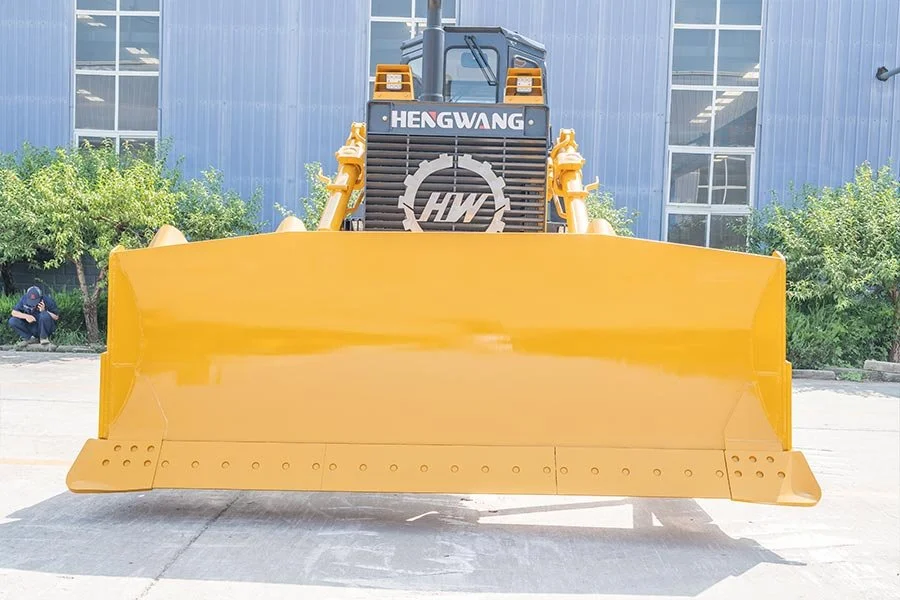
The most common question for buyers is how much does a bulldozer cost in the current 2026 economic climate. For small or compact units under 100 horsepower, prices generally range from $75,000 to $150,000. These are ideal for landscaping or urban projects where space is limited and precision is paramount. Mid-range dozers between 100 and 200 horsepower typically fall between $150,000 and $300,000, offering a balance of power and agility for commercial sites.
Heavy-duty crawler models intended for civil engineering or large infrastructure often cost between $300,000 and $500,000. However, for the massive mining units exceeding 500 horsepower, the price can easily surpass $1,000,000. These high-end machines feature advanced telemetry and reinforced chassis to handle the most brutal working environments. Budgeting accurately requires matching the specific horsepower and weight class to your typical job site requirements.
Key Factors Influencing the Purchase Price
Several variables beyond sheer size dictate how much does a bulldozer cost when you receive a final quote. The engine technology is a primary factor, as models meeting the latest emission standards often command a premium. Furthermore, the type of undercarriage—whether it uses standard tracks or low ground pressure (LGP) configurations—will impact the total. LGP tracks are essential for soft or swampy terrain but add to the manufacturing expense.
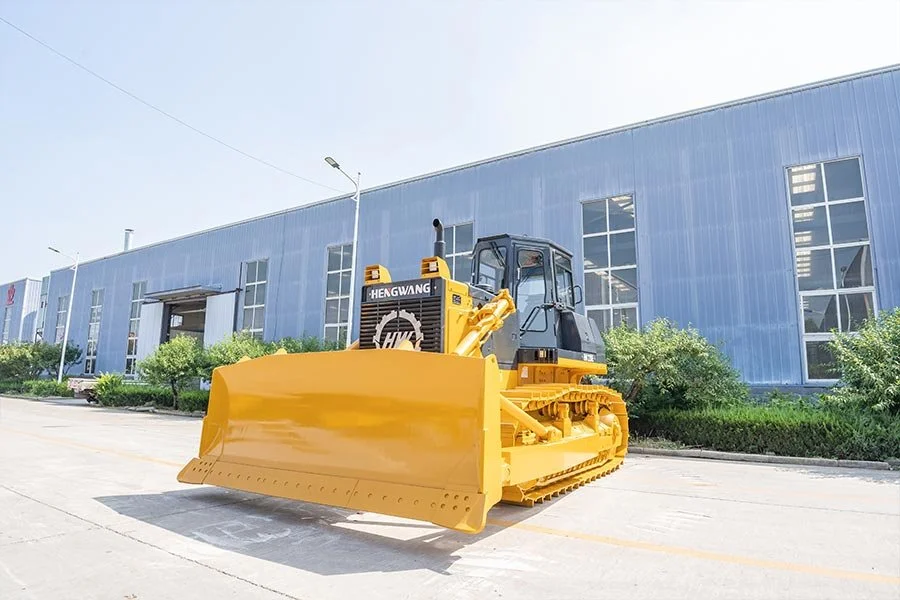
Attachments and optional features like multi-shank rippers or specialized blades also influence the total investment. Modern units often come with 3D grade control systems which can add $15,000 to $30,000 to the base price. While these features increase the upfront cost , they significantly improve accuracy and reduce the number of passes required. Operators find that these technological investments often lead to a faster return on capital through fuel savings.
Evaluating New vs. Used Equipment Expenses
Deciding between new and used equipment is a strategic choice that impacts your long-term operational budget. A used bulldozer that is 3 to 7 years old can often be found for 40% to 60% of the price of a new model. However, buyers must account for the potentially higher maintenance costs and shorter remaining service life of older components. Reliability is the trade-off when opting for a lower initial purchase price in the secondary market.
For businesses with high utilization rates, buying new ensures the latest safety features and comprehensive manufacturer warranties. New machines in 2026 also boast better fuel economy, which can save thousands of dollars in annual operating expenses. If your project demands 24/7 uptime, the reduced risk of mechanical failure often justifies the higher price tag. Conversely, smaller firms might find the used market offers a more accessible entry point for growth.
Exploring Quality Bulldozers at Hengwang
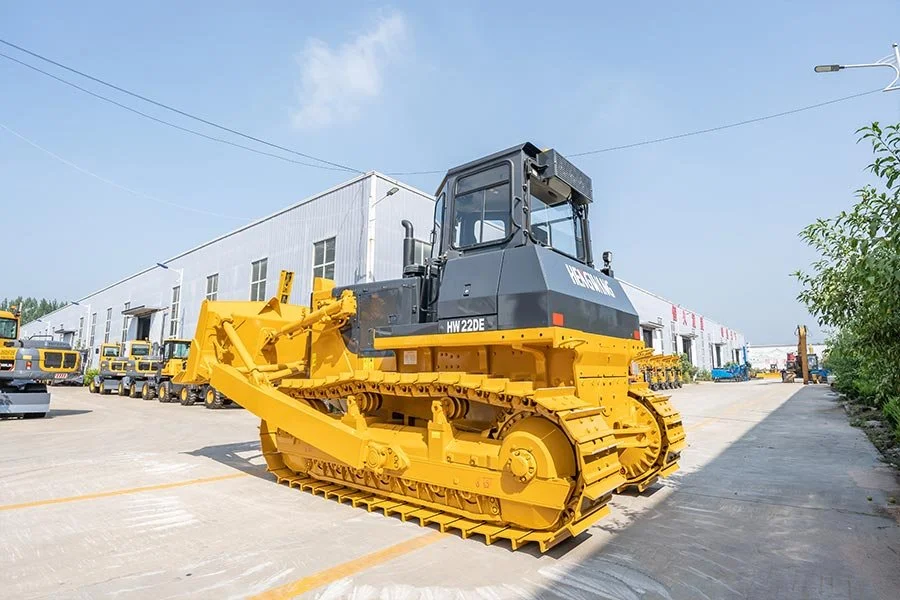
Hengwang offers a diverse range of high-performance dozers designed to meet the rigorous demands of global construction. Our lineup includes the heavy-duty HW34D, featuring a 340-horsepower engine, and the flexible HW16DS for narrow spaces. We prioritize fuel economy and maintenance convenience, with designs that can reduce servicing time by up to 60%. Our machines are built with reinforced chassis and high-strength steel tracks to ensure durability in harsh environments like mines or permafrost. By combining precision control with operator comfort, we provide solutions that maximize work efficiency on every site. Each model undergoes strict quality certifications, including ISO and CE, to guarantee long-term reliability for our international partners.
To see our full range of models and technical specifications, please visit our Bulldozers Category.
The average price for a bulldozer in 2026 ranges from $75,000 for compact models to over $1,000,000 for mining-class units, with costs heavily influenced by horsepower, track technology, and advanced GPS systems, requiring a strategic balance between upfront investment and long-term fuel and maintenance efficiency for maximum profitability.
FAQ
1. Does a bulldozer with a ripper cost significantly more?
Yes, adding a rear ripper attachment can increase the purchase price by $10,000 to $30,000 depending on the complexity and size.
2. What is the typical lifespan of a new bulldozer?
With proper maintenance, a high-quality dozer can last between 10,000 and 15,000 operating hours before requiring a major engine or undercarriage overhaul.
3. Why are track-type tractors more expensive than wheeled models?
Tracked units offer superior traction and lower ground pressure in rough terrain, but the complex undercarriage system is more expensive to manufacture and maintain.
Data Sources:
Quipli: Construction Equipment Prices in 2026 (https://quipli.com/resources/construction-equipment-prices-how-much-does-equipment-cost/)
World Bank: Global Infrastructure and Machinery Trends (https://www.worldbank.org/en/topic/transport)
Caterpillar Inc.: Equipment Specifications and Performance Data (https://www.cat.com/en_US/products/new/equipment/dozers.html)