In the dynamic world of modern construction and specialized engineering projects, the selection of equipment is paramount to ensuring operational efficiency and project success. Among the most versatile and indispensable machines in a fleet, the mini excavator stands out. However, faced with a market brimming with options, many project managers and equipment buyers frequently ask: How can you choose the right mini excavator for your specific needs? This decision is far more complex than simply comparing prices; it requires a deep understanding of project scope, machine specifications, and long-term operational costs. This comprehensive guide is specifically designed to provide engineering and construction professionals with the substantive knowledge required to make a truly informed choice, focusing on maximizing value and job-site performance.
The Core Value Proposition of the Mini Excavator
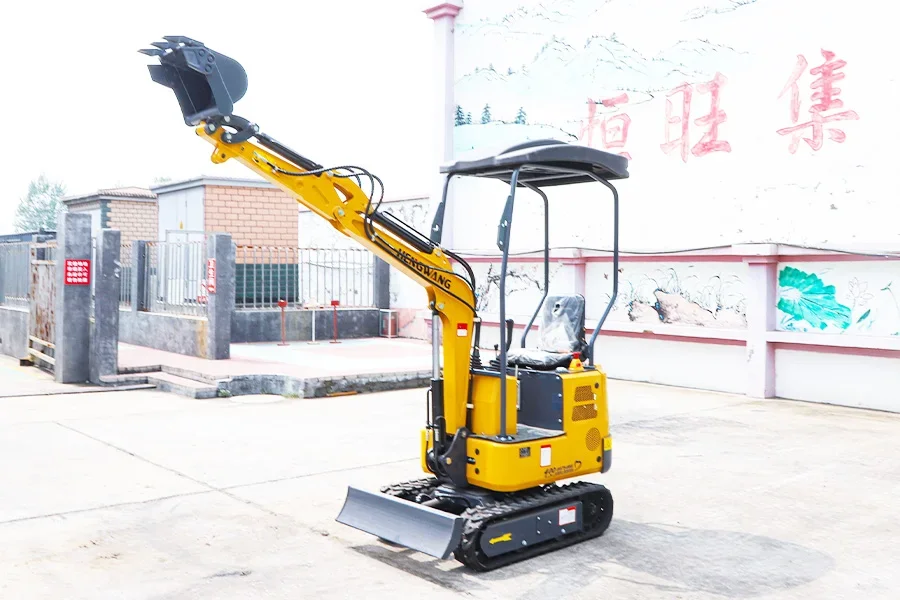
The compact yet powerful nature of the mini excavator, typically defined as having an operating weight under 10 metric tons, fundamentally redefines what is possible on congested or restricted job sites. Unlike their larger counterparts, these machines offer a critical balance of substantial digging power and maneuverability. Consequently, they have become the workhorses for applications ranging from urban utility installation and precise landscaping to small-scale demolition and foundation work. Their versatility is significantly enhanced by the ability to utilize a wide array of attachments, transforming them from mere digging tools into multi-functional utility platforms.
The true value of incorporating a mini excavator into your operation is realized through several key features that directly impact project metrics. The reduced ground pressure minimizes site disturbance, which is a major concern in finished landscapes or sensitive environmental areas. Furthermore, the compact dimensions allow for effortless transportation between sites, often utilizing a standard truck and trailer, which drastically cuts down on logistics costs and downtime. Therefore, the analysis of your operational environment should be the starting point for any procurement decision.
Deep-Diving into Specifications: Matching Machine to Mission
A thoughtful selection process necessitates a rigorous examination of the machine’s technical specifications in direct relation to the most demanding tasks your fleet regularly encounters. Merely focusing on horsepower or bucket size is insufficient; a holistic view of the machine’s operational envelope is required.
Operating Weight and Digging Depth
The operating weight is the foundational characteristic that dictates the machine’s overall stability and lifting capacity. For instance, projects involving extensive trenching for utility lines or deep footings require a heavier machine, typically in the 4 to 8-ton class, to ensure the necessary hydraulic power and stability for deep excavation without tipping. In contrast, lighter models, around 1 to 3 tons, are perfectly suited for indoor demolition, detailed grading, or working in confined backyards where ground clearance is minimal. Consequently, always cross-reference the required maximum digging depth of your most common tasks with the machine’s reach specifications.
Tail Swing Configuration: Zero vs. Conventional
Perhaps one of the most critical decisions for a construction professional is selecting the appropriate tail swing configuration, as it fundamentally affects the machine’s job site footprint.
Zero Tail Swing (ZTS) Models
These models are engineered so that the counterweight remains within the width of the tracks when the upper structure is rotated. This design is invaluable for working alongside walls, roads, or within densely built urban environments where space is at a premium. Choosing a ZTS mini excavator dramatically reduces the risk of accidental damage to nearby property, enhancing job site safety and minimizing liability.
Conventional Tail Swing Models
While requiring more operational space, these models typically offer a greater lifting capacity and superior stability, particularly when operating on slopes or utilizing heavier attachments due to the increased size of the counterweight. If your projects mainly occur in open spaces where maneuvering room is not constrained, a conventional swing model might provide a more powerful and stable platform.
Hydraulic Flow and Auxiliary Circuitry
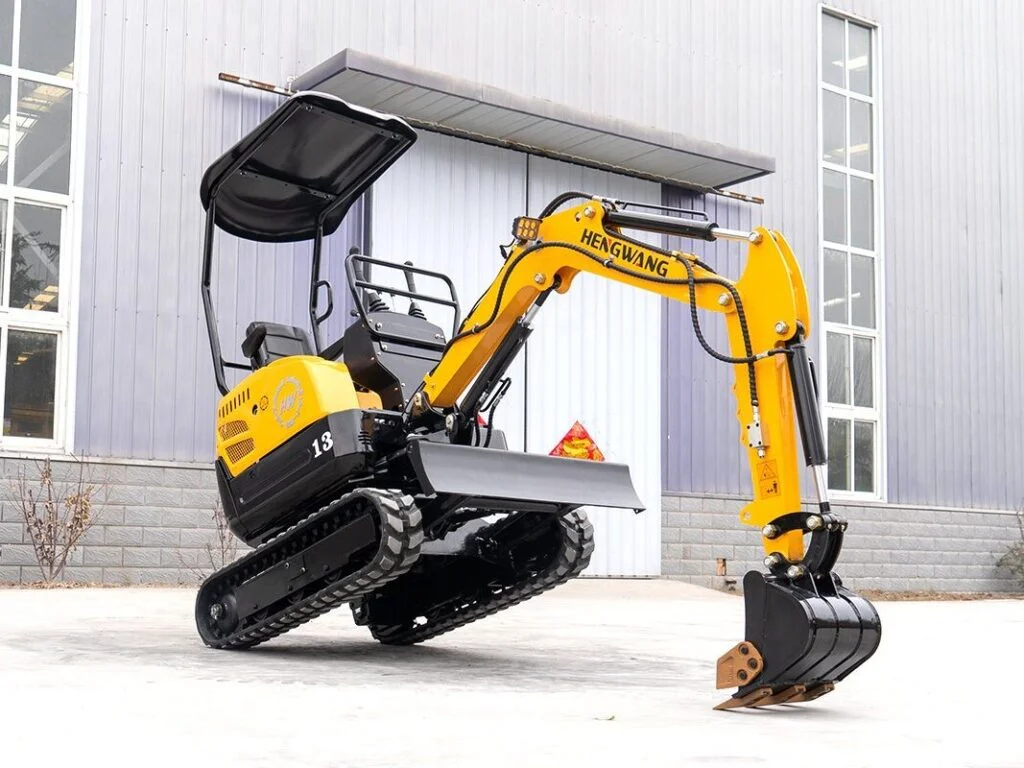
For any mini excavator, the hydraulic system is the very heart of its power and functionality. The selection of a machine must therefore be driven by the hydraulic flow requirements of the primary attachments you intend to use. High-demand attachments, such as large hydraulic hammers, mulching heads, or powerful augers, necessitate a machine with a high-flow auxiliary hydraulic circuit. Failure to match the hydraulic output to the attachment’s needs will result in significantly reduced performance and potential damage to the machine. Always confirm the machine offers multiple auxiliary hydraulic lines (e.g., standard flow and high flow) to ensure true multi-tool compatibility and future-proofing your investment.
Beyond the Specs: Operational and Long-Term Considerations
A wise investment goes beyond immediate performance; it must consider the long-term cost of ownership, operator comfort, and technological integration.
Operator Comfort and Control System
The efficiency of a machine is inherently linked to the comfort and control offered to the operator, especially over long work shifts. Modern mini excavator cabins should feature ergonomic seating, excellent all-around visibility, and intuitive control layouts. The move toward advanced control systems, such as load-sensing hydraulics and proportional auxiliary controls, allows for smoother, more precise movements. Prioritize models with easy-to-read, comprehensive display screens that provide real-time diagnostics, which can significantly reduce operator fatigue and, more importantly, boost productivity.
Engine Technology and Emissions Standards
Given the increasing global emphasis on sustainability, the engine technology within a mini excavator is an increasingly important factor. Construction companies must select machines that comply with current and anticipated regional emissions standards (e.g., EPA Tier standards or EU Stage regulations). Beyond regulatory compliance, fuel efficiency is a direct operational cost. Diesel engines equipped with advanced features like automatic idle shutdown and eco-modes can yield substantial savings over the machine’s lifetime, directly impacting your project’s profitability.
Maintenance Access and Serviceability
Downtime is a significant cost in any construction project. Consequently, a machine’s serviceability must be a primary consideration. An ideal mini excavator design features wide-opening access panels, clearly labeled and easily reachable service points (like filters and fluid checks), and readily available diagnostic ports. Machines engineered with simplicity and ease of maintenance in mind will spend less time in the shop and more time working on site, which is paramount for maintaining tight project schedules.
Navigating the Choice: A Structured Approach
Choosing the optimal mini excavator is a strategic process that requires a structured, three-step approach:
Define the Primary Role
Clearly determine the top three most frequent and demanding applications for the machine (e.g., utility trenching, confined-space demolition, or landscape grading). This step immediately narrows the field of suitable models based on required size and hydraulic flow.
Evaluate the Site Constraint
Assess the most restrictive environment the machine will operate in. If 80% of the work is in zero-lot-line residential areas, a Zero Tail Swing (ZTS) model is mandatory. If the work is always in open fields, a more stable conventional swing model might be preferred.
Calculate the Total Cost of Ownership (TCO)
Beyond the initial purchase price, factor in fuel consumption, projected maintenance costs (including the cost of common wear parts), and the machine’s resale value. A slightly more expensive machine that offers superior fuel efficiency and higher reliability can often result in a lower TCO over a five-year period.
Ultimately, the choice of a mini excavator is an investment in your company’s future productivity and versatility. By meticulously aligning the machine’s core specifications—digging depth, tail swing, and hydraulic capacity—with the unique demands of your engineering and construction projects, you ensure a choice that delivers maximum operational benefit and a strong return on investment.
Frequently Asked Questions (FAQ)
Q1:What is the most important factor when choosing a mini excavator for indoor demolition?
For indoor demolition, the most important factors are the machine’s operating weight (to ensure floor-loading compliance), the Zero Tail Swing (ZTS) feature for maneuvering in confined spaces, and the availability of a powerful hydraulic thumb or hammer attachment.
Q2:How much weight difference is there between a mini excavator and a standard excavator?
A mini excavator is generally considered to be under 10 metric tons (around 22,000 lbs), whereas a standard excavator typically starts in the 10 to 15-ton range and can go up to 100 tons or more, making the standard machine exponentially larger and more powerful.
Q13Is it better to rent or buy a mini excavator?
The decision to rent or buy depends entirely on the utilization rate. If you anticipate using the mini excavator more than 60-70% of the time annually, purchasing is usually more cost-effective. For sporadic, short-term projects, renting offers flexibility and reduced maintenance responsibility.