Evaluating a 1-ton mini excavator requires analyzing its operating weight, engine power, and physical dimensions. A standard 1-ton model typically features a 1000kg operating weight and an 8.2 kW engine. These specific metrics dictate whether the machine can safely handle confined indoor demolitions.
My experience in B2B equipment sourcing reveals that precise technical parameters determine project efficiency. Equipment operators must prioritize structural width because standard commercial doorways demand narrow frames. Aligning machine specifications with site restrictions is the most critical evaluation step.
What Defines the Capacity of a Mini Excavator?
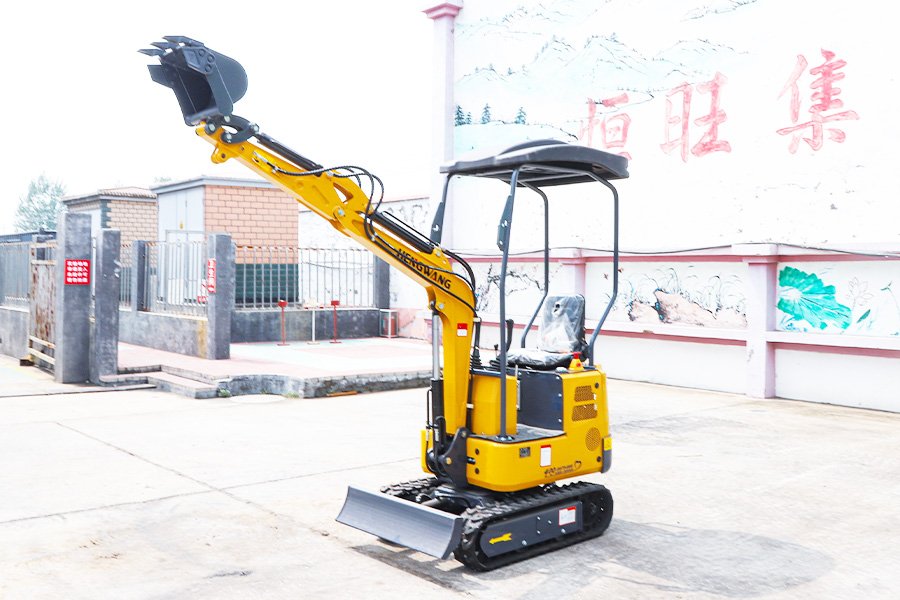
Capacity metrics define the operational limits of any compact earth-moving machinery. The Association of Equipment Manufacturers categorizes equipment under six metric tons within the compact class. A 1000kg operating weight ensures sufficient stability while remaining light enough for indoor floors.
Bucket size directly impacts daily material moving efficiency on the job site. A typical 1-ton unit utilizes a 0.025 cubic meter bucket capacity. This specific volume allows operators to move debris efficiently without overloading the hydraulic system.
Engine specifications deliver the necessary breakout force for tough materials. Air-cooled engines producing around 8.2 kW can offer reliable performance in continuous operations. Balancing engine output with bucket size prevents mechanical strain during demanding excavation tasks.
Why Choose a Wheeled Mini Excavator vs. Tracked?
Selecting the right undercarriage depends heavily on your primary job site terrain. A wheeled mini excavator typically performs exceptionally well on paved surfaces and established roads. Wheels allow for faster travel speeds between different work zones without damaging concrete.
Tracked models generally provide superior traction on mud, loose soil, and steep inclines. The continuous rubber tracks distribute the machine’s weight evenly across a larger surface area. The wider footprint of tracks reduces ground pressure and prevents sinking in soft conditions.
B2B buyers must evaluate their primary operational environments before choosing a configuration. Indoor demolition projects often benefit from non-marking rubber tracks to protect flooring. Careful assessment of site surfaces ensures optimal machine mobility and reduces maintenance costs.
How Does Engine Design Impact Compact Excavation?

The powerplant of a micro excavator determines its overall reliability and environmental compliance. Small displacement diesel engines are typically utilized to maximize fuel efficiency in compact spaces. Air-cooled engine designs reduce the overall physical footprint by eliminating bulky liquid cooling radiators.
These specific engines usually deliver sufficient torque at lower operating RPMs. This characteristic can help reduce noise pollution when working in residential or indoor environments. Maintaining lower decibel levels is critical for complying with urban noise restriction ordinances.
Fuel tank capacity directly determines the uninterrupted operating time of the machine. A standard 1-ton unit usually carries enough diesel for a full day of indoor work. Adequate fuel storage minimizes refueling downtime and keeps project schedules strictly on track.
What Hydraulic Capabilities Matter Most?
Hydraulic systems govern the actual digging power of compact earth-moving machinery. A robust hydraulic pump ensures the smooth simultaneous operation of the boom and arm. Consistent fluid pressure translates directly into reliable breakout force during demanding excavation tasks.
Auxiliary hydraulic lines expand the functional versatility of small machinery. These extra lines can typically power attachments like breakers or augers on job sites. Equipping attachments transforms a basic digger into a highly multi-functional tool carrier.
Operators must monitor hydraulic fluid temperatures during continuous heavy workloads. Compact equipment houses these fluid reservoirs in very tight internal compartments. Maintaining optimal fluid temperatures prevents system degradation and protects expensive internal components.
What Safety Standards Apply to Compact Excavation?
Operating heavy machinery in confined spaces introduces unique safety challenges for contractors. The Occupational Safety and Health Administration mandates strict ventilation requirements for indoor combustion engines. Proper air circulation can mitigate the risks associated with exhaust emissions in enclosed areas.
Equipment structural dimensions also play a crucial role in site safety. Machines must pass through standard doorways without compromising structural integrity or operator safety. Selecting equipment designed specifically for narrow access prevents accidental damage to existing building structures.
Operators should typically conduct thorough risk assessments before initiating indoor demolition work. Stability is paramount when lifting loads with an ultra-compact chassis. Adhering to manufacturer lifting capacities ensures structural balance and protects personnel from tipping hazards.
How to Find a Reliable Mini Mini Excavator for Sale?

Sourcing specialized compact equipment requires rigorous vendor qualification and specification review. When searching for a mini mini excavator for sale, buyers should demand detailed technical documentation. Verified performance data prevents the procurement of underpowered or incompatible machinery.
International earth-moving machinery standards dictate strict safety and operational guidelines. The International Organization for Standardization outlines precise terminology and measurement methods for operating weights. Buyers should confirm that listed weights align with these established global measurement protocols.
Procurement managers must also assess the availability of aftermarket replacement parts. Downtime on a construction site can cause significant financial losses for contractors. Securing a robust supply chain for replacement filters and hoses maintains uninterrupted project schedules.
How to Choose a Mini Excavator Supplier?
Selecting a competent mini excavator supplier dictates the long-term success of your equipment fleet. Evaluating a supplier requires analyzing their transparency regarding engine models, bucket capacities, and warranty terms. You must determine if their compact machines match your specific confined-space requirements.
Examining detailed product listings helps establish clear performance expectations for B2B procurement. If you need equipment for indoor demolition, checking exact dimensions and engine configurations is vital. You can evaluate the technical specifications of the HW-12 Mini Excavator to see how a 1-ton model handles tight applications.
Reviewing specific configurations like the 8.2 kW power output aids your purchasing decision. Reliable partners will always present clear metrics to support your operational planning. This analytical approach guarantees your B2B investments yield functional utility and long-term value.
Summary
Evaluating a 1-ton mini excavator demands a strict review of its operating weight, engine power, and bucket capacity. Matching these exact technical specifications to your site constraints ensures optimal project efficiency. B2B buyers must prioritize narrow designs and reliable engines to succeed in confined-space applications.
FAQ
Q: What is the primary use of a 1-ton mini excavator?
A: A 1-ton mini excavator is primarily used for indoor demolition and confined-space landscaping. These machines typically pass through standard commercial doorways with ease. Their compact footprint can allow operators to work in areas entirely inaccessible to larger equipment.
Q: Can a wheeled mini excavator operate on mud?
A: A wheeled mini excavator may struggle to maintain traction in deep mud. Tracked models are typically recommended for soft or uneven outdoor terrain. Wheels are generally better suited for paved roads and solid concrete surfaces.
Q: How do I verify a mini excavator supplier?
A: You verify a supplier by reviewing their technical transparency and part availability. A reliable partner will provide explicit data regarding engine power and bucket capacity. Buyers should always request detailed specification sheets before committing to a B2B purchase.
Q: What bucket capacity is standard for a 1000kg excavator?
A: A standard bucket capacity for a 1000kg machine is roughly 0.025 cubic meters. This specific volume prevents the hydraulic system from being overloaded during operation. It offers an optimal balance between material moving speed and overall machine stability.
Reference Sources
Association of Equipment Manufacturers (AEM) – Compact Equipment Classification Guide
https://www.aem.org/
Occupational Safety and Health Administration (OSHA) – Confined Space Construction Standards
https://www.osha.gov/
International Organization for Standardization (ISO) – Earth-moving machinery terminology
https://www.iso.org/