In the current global landscape of infrastructure development and urban renewal, the demand for machinery that balances compact dimensions with unyielding power has never been higher. For contractors and landscape architects, the search for a versatile solution often leads to the evaluation of the HW-17 Crawler Excavator. This micro-excavator is not merely a downsized version of larger earthmovers; it is a precision-engineered tool designed to thrive where traditional machinery fails. From narrow residential alleyways to delicate garden renovations, the HW-17 Crawler Excavator represents a strategic investment in operational agility. Understanding the mechanical depth and the value proposition of this machine is essential for any professional looking to optimize their fleet for the increasing trend of “micro-construction” and precise earthmoving tasks.
The Technical Evolution of Compact Power Systems
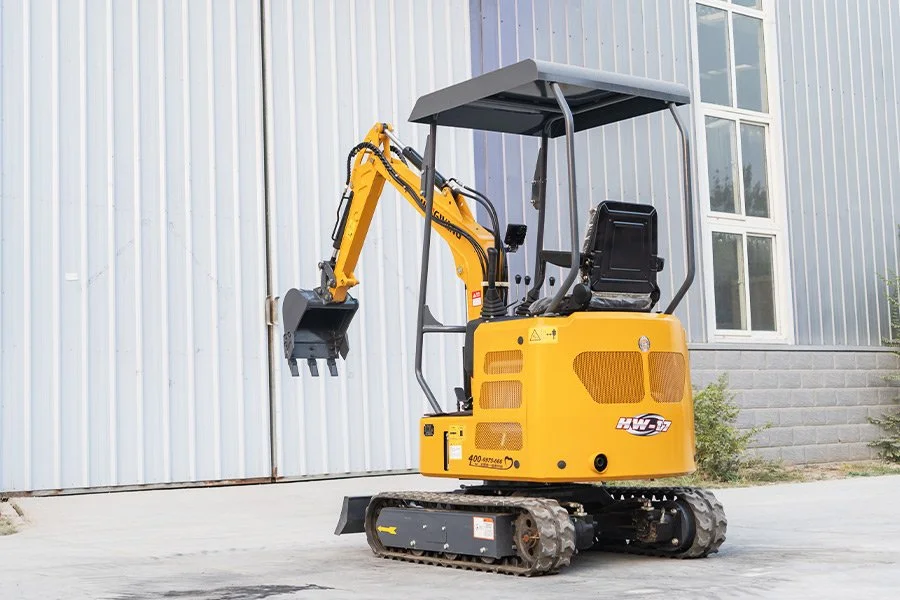
At the core of the HW-17 Crawler Excavator lies a powertrain designed for efficiency without sacrificing the breakout force required for demanding soil conditions. Unlike larger excavators that rely on sheer mass, this model utilizes an optimized power-to-weight ratio that allows it to perform tasks typically reserved for much heavier equipment. The engine, often a high-efficiency diesel unit compliant with international emission standards, provides steady torque across a wide range of operating speeds. This ensures that the operator has immediate access to power when tackling dense clay or rocky terrain, significantly reducing cycle times and increasing daily output on the job site.
High-Torque Engine Performance and Thermal Management
The engineering philosophy behind the HW-17 Crawler Excavator prioritizes sustained reliability. Thermal management systems are integrated into the chassis to ensure that the engine remains at an optimal operating temperature, even during continuous heavy-duty cycles in high-ambient environments. This proactive approach to cooling prevents premature component wear and protects the machine’s long-term resale value. Furthermore, the fuel injection system is calibrated to provide maximum energy extraction from every drop of diesel, aligning with the modern values of environmental stewardship and operational cost reduction.
Hydraulic Precision and Response Logic
Beyond the engine, the operational excellence of the HW-17 Crawler Excavator is defined by its sophisticated hydraulic architecture. The integration of high-pressure pumps and load-sensing valves allows the excavator to distribute power exactly where it is needed—whether in the boom, the arm, or the bucket. This fluid response logic is vital for delicate tasks, such as uncovering utility lines or grading fine surfaces. Because the hydraulic system is tuned for smoothness, the operator can execute multiple movements simultaneously without the “jerky” transitions often found in entry-level machinery.
Structural Integrity and Articulated Versatility
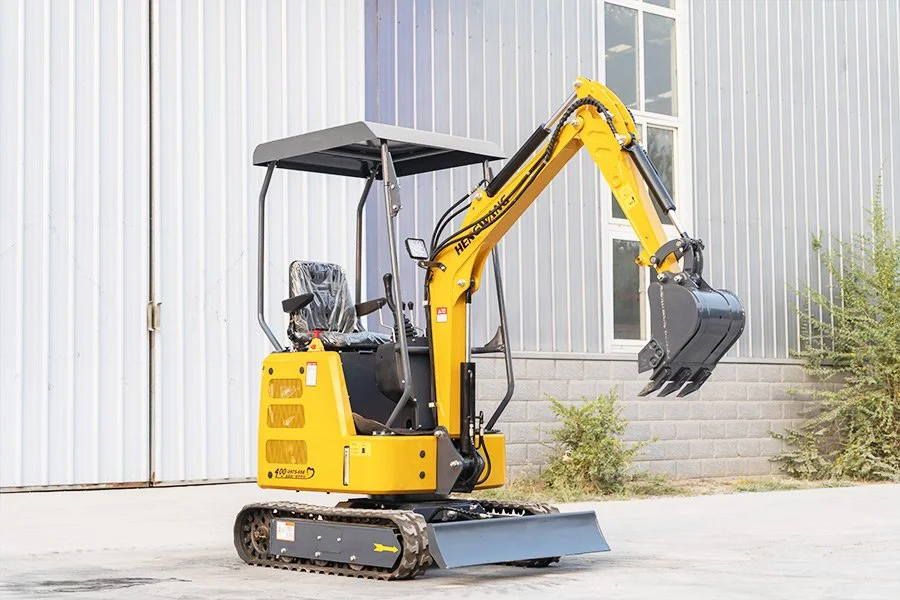
A machine is only as good as the frame that supports it, and the HW-17 Crawler Excavator is built upon a high-strength steel chassis designed to withstand years of repetitive stress. The crawler design provides a stable footprint, distributing the machine’s weight evenly to minimize ground pressure—a critical feature when working on established lawns or sensitive underground structures.
Reinforced Boom and Arm Dynamics
The structural components of the HW-17 Crawler Excavator undergo rigorous stress testing to ensure they can handle the high breakout forces generated by the hydraulic cylinders. Reinforced pivot points and high-tensile pins are utilized to reduce play and maintain precision over thousands of hours of service. This robustness ensures that the excavator remains a dependable asset, regardless of the abrasiveness of the material being moved.
Tail-Swing and Maneuverability in Confined Spaces
One of the most distinctive features of the HW-17 Crawler Excavator is its ability to operate in confined environments. The compact tail-swing design allows the machine to rotate within a very narrow radius, significantly reducing the risk of accidental damage to nearby walls or structures. This maneuverability is enhanced by an adjustable undercarriage in certain configurations, which can be retracted to pass through standard doorways and then expanded for maximum stability during digging operations. This “transformer-like” capability makes the HW-17 an indispensable tool for interior demolition and basement excavations.
Ergonomics and the User-Centric Workspace
In the engineering machinery industry, productivity is inextricably linked to the well-being of the operator. The HW-17 Crawler Excavator features an ergonomically designed operator station that prioritizes visibility and intuitive control. By placing all primary functions within easy reach, the machine reduces the physical toll on the operator during long shifts.
Visibility and Safety Engineering
The expansive view from the operator’s seat of the HW-17 Crawler Excavator ensures that the bucket and the surrounding work area are always visible. Safety is further reinforced through the inclusion of ROPS (Roll-Over Protective Structure) and FOPS (Falling Object Protective Structure) certifications. These safety systems are not just compliance checkboxes; they reflect a deep commitment to protecting the most valuable asset on any job site—the human worker.
Maintenance Accessibility and Fleet Longevity
Ease of service is a cornerstone of the HW-17 Crawler Excavator design. For fleet owners, downtime is the enemy of profitability. Therefore, the HW-17 features centralized lubrication points and easy-access service panels that allow for rapid daily checks. By simplifying the maintenance process, the machine encourages operators to stay on top of routine care, which significantly extends the service life of the components and ensures that the machine is always ready for the next project.
Strategic Applications and Economic ROI
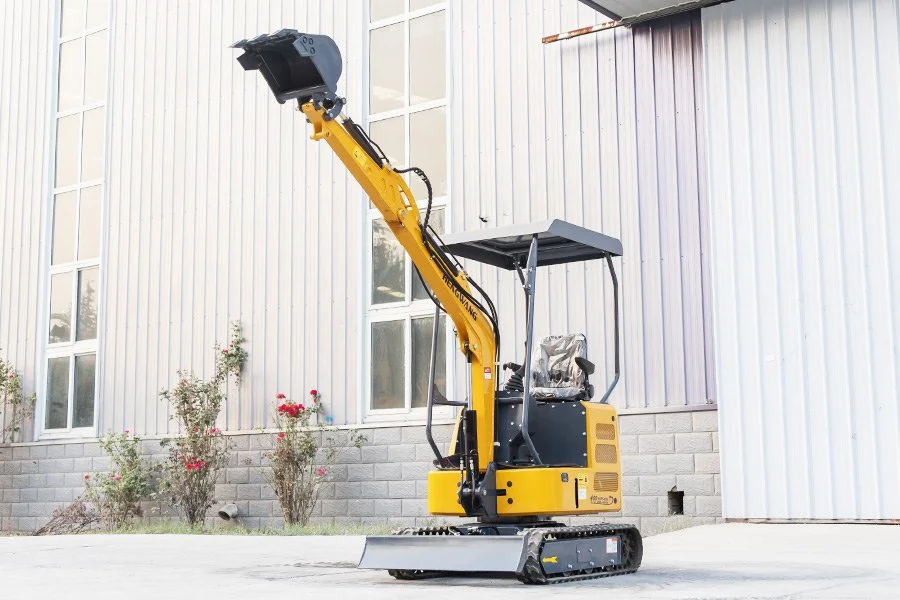
When evaluating the acquisition of an HW-17 Crawler Excavator, it is important to look beyond the initial purchase price and consider the total cost of ownership. The versatility of this machine allows it to replace manual labor in countless scenarios, from trenching for fiber optic cables to installing irrigation systems.
Versatility Across Diverse Sectors
The HW-17 Crawler Excavator is compatible with a wide range of attachments, including hydraulic breakers, augers, and rakes. This multi-functional nature transforms the excavator from a simple digging tool into a comprehensive site-prep solution. In a competitive market, the ability to bid on a wider variety of projects with a single piece of equipment is a strategic advantage that cannot be overlooked.
Long-Term Value and Sustainability
Ultimately, the choice of the HW-17 Crawler Excavator is a choice for sustainable performance. The combination of low fuel consumption, reduced maintenance costs, and high productivity ensures a fast return on investment. As urban environments become more crowded and construction requirements more stringent, the role of high-precision, compact machinery will only grow. The HW-17 is prepared to meet these challenges, providing the power of a giant in the body of a micro-machine, and ensuring that your engineering goals are achieved with efficiency and integrity.
Frequently Asked Questions (FAQ)
Q1: What is the maximum digging depth of the HW-17 Crawler Excavator?
A: While specific configurations may vary, the HW-17 Crawler Excavator typically offers a digging depth of approximately 2,100mm to 2,300mm, making it ideal for most utility and foundation tasks.
Q2: Is the HW-17 suitable for indoor demolition?
A: Yes, due to its compact width and low-emission engine options, the HW-17 Crawler Excavator is frequently used for interior work where space and ventilation are limited.
Q3: How does the maintenance of a crawler excavator differ from wheeled models?
A: Crawler models like the HW-17 Crawler Excavator provide superior stability and lower ground pressure. Maintenance focuses on track tension and undercarriage cleaning, which is essential for preventing wear in abrasive conditions.
Q4: Can I use third-party attachments with the HW-17?
A: The HW-17 Crawler Excavator is designed with standard auxiliary hydraulic lines, allowing it to interface with a variety of universal attachments, though using manufacturer-recommended tools ensures optimal performance.