In the rapidly evolving landscape of global infrastructure, the demand for machinery that balances raw power with surgical precision has never been higher. Construction firms and independent contractors are constantly seeking equipment that can withstand the rigors of high-intensity environments while maintaining low operational costs. Enter the HW-30 Wheel Loader, a machine engineered to bridge the gap between heavy-duty performance and versatile maneuverability. By integrating advanced systems with a chassis designed for durability, this loader addresses the core challenges faced by operators in the field—namely, how to move more material in less time without sacrificing safety. Understanding the specific application scenarios is essential for maximizing the value of this investment.
The Architectural Foundation of the HW-30 Wheel Loader
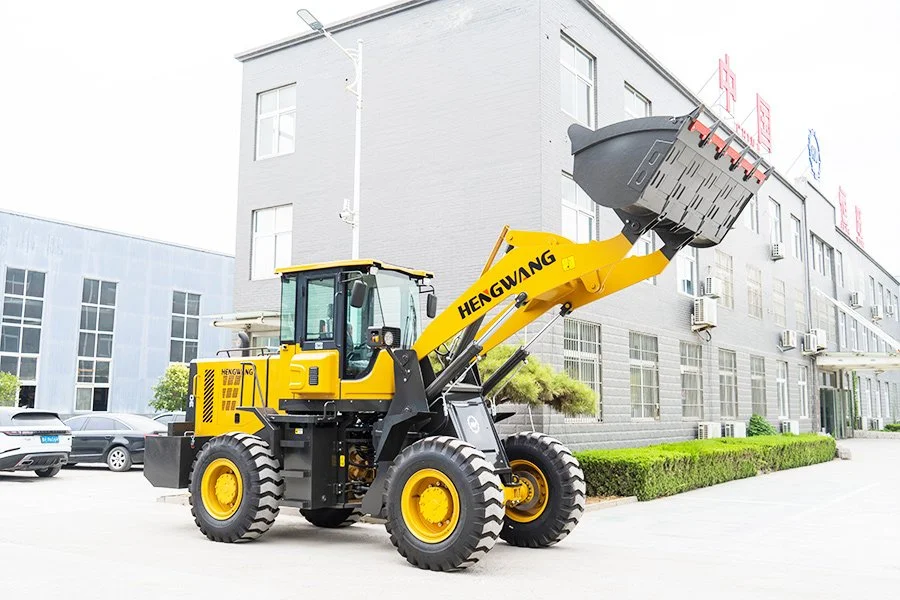
To truly appreciate the value of this equipment, one must look beneath the reinforced steel exterior. The structural integrity of the HW-30 Wheel Loader starts with its articulated frame, which allows for an exceptionally tight turning radius. This is particularly crucial in modern urban construction sites where space is at a premium. Unlike larger, more cumbersome units, this model navigates narrow pathways and congested loading zones with surprising agility. Furthermore, the weight distribution across the axles is optimized to ensure stability when the bucket is at its maximum lift capacity. This balance is not merely a technical achievement; it is a fundamental safety feature that protects the operator and the surrounding site personnel during high-stress maneuvers.
Optimized Powertrain and Energy Efficiency
Transitioning from structural design to raw performance, the powertrain serves as the beating heart of the machine. The engine in the HW-30 Wheel Loader is calibrated to deliver high torque at low RPMs, a configuration that significantly reduces engine wear and extends the service life of internal components. By focusing on energy density, the engineers have ensured that every drop of fuel translates into productive work. Operators often notice that the transition between gears is seamless, thanks to a refined transmission system that minimizes power loss during shifts. This efficiency is a direct response to the rising costs of energy, providing owners with a tangible edge in project bidding and bottom-line profitability.
Advanced Hydraulics and Operational Precision
A loader is only as good as its ability to manipulate weight, and this is where the hydraulic system proves its worth. The HW-30 Wheel Loader utilizes a high-pressure hydraulic circuit that provides lightning-fast cycle times. Whether the task involves stockpiling aggregates, loading high-sided trucks, or grading a rough surface, the feedback through the control joysticks is intuitive and immediate. Such responsiveness allows even less experienced operators to achieve a level of precision that traditionally required years of practice. Moreover, the lift arms are designed to resist the torsional forces encountered when digging into hard-packed earth, ensuring that the bucket remains level throughout its range of motion.
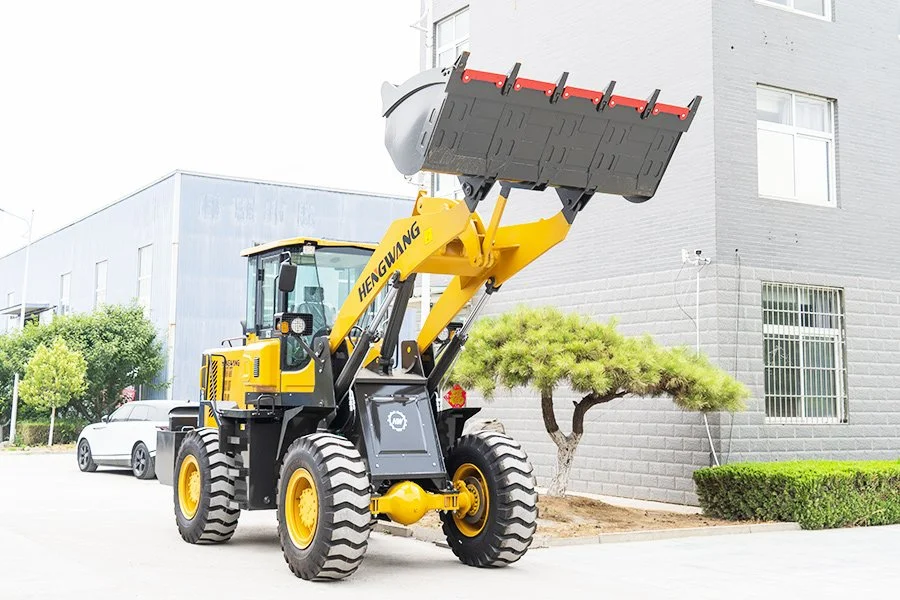
Ergonomics: Prioritizing the Human Element
Beyond the mechanical aspects, the human element is central to the design philosophy of the HW-30 Wheel Loader. The cabin is a masterpiece of ergonomic engineering, offering a panoramic 360-degree view of the job site. High-visibility glass and strategically placed mirrors eliminate blind spots, which are a primary cause of accidents in material handling. Inside, the environment is pressurized to keep out dust and noise, allowing the operator to remain focused and productive throughout long shifts. By prioritizing comfort, the manufacturer recognizes that a well-rested and focused operator is the most efficient asset on any construction site.
Versatility Across Diverse Engineering Sectors
The true utility of the HW-30 Wheel Loader is revealed when it is deployed across different industrial sectors. In the world of municipal engineering, it serves as an indispensable tool for road maintenance and debris removal. Its ability to swap attachments—ranging from forks and log grapples to specialized blades—transforms it from a simple earthmover into a multi-functional utility vehicle.
Applications in Manufacturing and Logistics
In industrial sites and manufacturing plants, the HW-30 Wheel Loader is essential for managing bulky dry waste and process debris. Logistics and distribution centers rely on its rapid movement to clear wide aisles and loading zones. Because it efficiently handles materials without introducing moisture, it is the preferred choice for protecting equipment and maintaining product quality in sensitive storage areas. In these high-traffic settings, the ride-on design maximizes productivity while minimizing operational disruption.
Public Infrastructure and Specialized Venues
In public institutions like hospitals and schools, the loader is applied to maintain outdoor pathways, parking areas, and service yards. Even in cultural or exhibition venues, compact configurations are used in open, non-sensitive areas to ensure cleanliness without damaging resilient flooring. By removing grit, leaves, and debris from roads and pedestrian zones, the loader improves surface safety and prevents pollutants from entering stormwater systems.
Long-term Value and Maintenance Sustainability

The decision to invest in a HW-30 Wheel Loader is a decision for the long term. Maintenance, often an overlooked cost, is simplified through a design that provides easy access to all major service points. Centralized lubrication points and easy-to-reach filters mean that daily checks take minutes rather than hours. This focus on “serviceability” ensures that the machine stays in the field and out of the repair shop. When a machine is easy to maintain, it is more likely to receive the care it needs, leading to higher resale values and a lower total cost of ownership over its entire lifecycle.
Conclusion: Investing in Precision
The landscape of industrial climate control and material handling is changing, and the HW-30 Wheel Loader stands at the forefront of this transformation. For those seeking a professional engineering solution, understanding the technical depth and application versatility of these units is the first step toward operational excellence. By investing in quality machinery, you are securing the future of your production environment and the safety of your facility.
FAQ: Understanding the HW-30 Wheel Loader
Q1: What makes the HW-30 Wheel Loader suitable for urban construction?
Its articulated steering design allows it to navigate tight spaces and sharp corners that larger loaders cannot manage. This maneuverability, combined with high visibility, makes it ideal for city infrastructure projects where space is restricted.
Q2: How does the loader improve workplace safety?
The HW-30 Wheel Loader reduces slip risks by efficiently clearing debris and controlling dust through advanced filtration in specialized attachments. Its design enhances light reflection and hazard detection by keeping floors clean.
Q3: Is the loader effective in logistics centers?
Yes, it is designed for rapid dry debris removal in wide aisles and loading zones. It helps reduce packaging residue and dust caused by frequent forklift and pallet movement.
Q4: Can I use different attachments for municipal work?
Absolutely. It is indispensable for maintaining roads, public squares, and pedestrian zones. It can be equipped to remove grit, leaves, and vehicle-related contaminants efficiently.