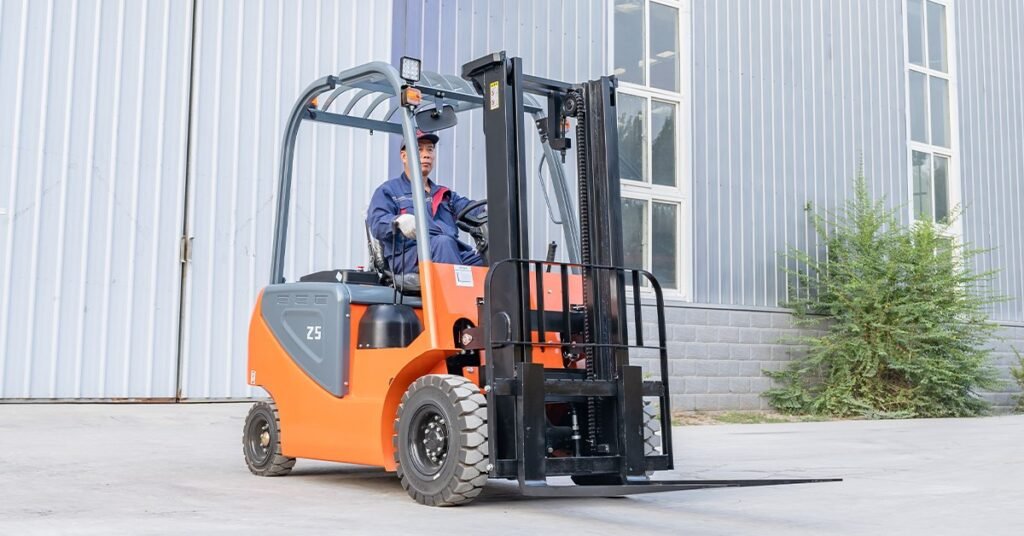
The landscape of modern warehousing, logistics, and manufacturing has undergone a rapid transformation, driven by twin pressures: the demand for increased operational efficiency and the global imperative for sustainability. Within this shifting environment, the HW1T Electric Forklift emerges as a critical piece of equipment, specifically designed to meet the rigorous demands of indoor and compact material handling environments. Unlike traditional internal combustion (IC) forklifts, this electric counterpart offers zero tailpipe emissions, minimal noise pollution, and reduced maintenance complexity, making it ideal for food processing facilities, pharmaceutical warehouses, and general indoor logistics hubs. For fleet managers, procurement officers, and operational staff, understanding the specific engineering advantages, power systems, and safety features of this 1-ton electric forklift is essential for optimizing internal workflow and ensuring regulatory compliance. This comprehensive article will delve into the technical specifications, operational benefits, energy management systems, and ergonomic design that underscore the HW1T Electric Forklift’s pivotal role in shaping the future of efficient and environmentally responsible material handling.
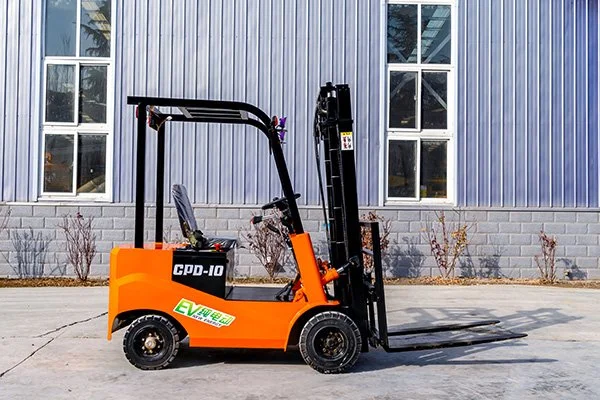
Engineering for Compact Efficiency: Design and Maneuverability
The primary design philosophy behind the HW1T Electric Forklift centers on maximizing lifting capacity and maneuverability within the spatial constraints of a typical modern warehouse or small factory floor.
The 1-ton (1T) capacity makes it perfectly suited for handling standard pallets, intermediate bulk containers (IBCs), and smaller loads that constitute the majority of indoor material movement. Furthermore, the compact footprint and tight turning radius are defining features. Electric forklifts inherently offer superior maneuverability compared to their IC counterparts because the battery acts as a counterweight, allowing for a more streamlined chassis design. This allows the HW1T Electric Forklift to navigate narrow aisles, stack goods in dense storage configurations, and operate effectively in container loading and unloading areas where space is severely limited. The inclusion of power steering and highly responsive controls ensures that operators can execute precise movements safely and quickly, reducing cycle times and minimizing the risk of accidental damage to goods or racking systems. The careful integration of lifting power and compact design confirms the machine’s critical utility in optimizing logistics flow in highly constrained operational settings.
Power Systems: The Core of Electric Performance and Reliability
The operational success of the HW1T Electric Forklift hinges entirely on its advanced electric power system, which must deliver reliable, sustained power throughout long work shifts.
Modern electric forklifts utilize either traditional lead-acid or, increasingly, advanced lithium-ion battery technology. Lithium-ion batteries offer significant advantages, including faster charging times, longer life cycles, and the capability for opportunity charging—short bursts of charging during breaks—without detrimental effects on battery health. This feature is transformative for multi-shift operations, virtually eliminating the need for expensive battery change-outs. Moreover, the efficiency of the electric motor is paramount. The HW1T typically employs AC (Alternating Current) drive motors, which are simpler in design, require less maintenance (as they have no carbon brushes to replace), and deliver superior torque and acceleration control compared to older DC systems. The energy management system continually monitors battery state-of-charge, temperature, and performance, ensuring that power delivery is consistent and efficient. This focus on a robust, high-performance power train guarantees that the HW1T Electric Forklift maintains peak productivity across demanding operational schedules.
Operational Advantages: Zero Emissions and Reduced Noise
The environmental and health benefits offered by the HW1T Electric Forklift are compelling factors driving its adoption, especially in enclosed or sensitive working environments.
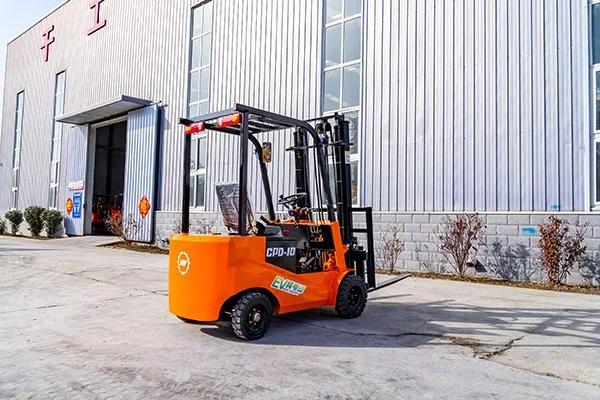
By operating solely on electricity, the machine produces zero direct exhaust emissions. This eliminates the need for complex and costly ventilation systems required when IC forklifts run on propane, gasoline, or diesel indoors. Consequently, the air quality within the warehouse improves dramatically, creating a safer and healthier workplace for employees—a non-negotiable ethical priority for modern corporations. Furthermore, the acoustic profile is vastly superior. Electric motors operate almost silently compared to noisy combustion engines, significantly reducing noise pollution in the work environment. Reduced noise improves internal communication, lessens operator fatigue, and contributes to overall workplace safety by making it easier for pedestrians to hear the machine’s approach. These inherent environmental and ergonomic advantages confirm the HW1T Electric Forklift’s role as a key element in creating compliant, modern, and employee-centric material handling operations.
Maintenance and Total Cost of Ownership (TCO)
The total cost of ownership (TCO) for the HW1T Electric Forklift is generally lower over its lifespan compared to IC-powered alternatives, primarily due to simplified maintenance and reduced fuel expenses.
An electric forklift has far fewer moving parts than a combustion engine machine. It lacks spark plugs, oil filters, transmission fluid, and complex cooling systems. This mechanical simplicity translates directly into significantly reduced preventive maintenance requirements and less frequent component failure. The primary maintenance focus shifts to hydraulic systems, tires, and brake wear. While the initial purchase price of an electric forklift might be higher, the savings accumulated from avoiding costly fuel purchases (especially with rising energy prices) and minimizing extensive engine-related service quickly tip the balance. Additionally, the operational life of modern lithium-ion batteries often extends beyond the typical lifespan of the forklift itself. For astute fleet managers, this calculation of lower maintenance hours, reduced service complexity, and predictable energy costs makes the HW1T Electric Forklift a clear choice for long-term economic stability.
Safety and Ergonomics: Prioritizing the Operator
Modern engineering values dictate that efficiency must not come at the expense of operator safety or comfort, a principle evident in the design of the HW1T Electric Forklift.
Safety features are rigorously integrated. The low center of gravity, established by the heavy battery pack positioned low in the chassis, provides exceptional stability, minimizing the risk of rollovers during tight turns or when handling loads at maximum lift height. Furthermore, advanced braking systems, often regenerative (where braking energy is returned to the battery), ensure rapid and reliable stopping power. Ergonomically, the operator’s cab is designed for maximum comfort and visibility. Features include adjustable seating, intuitive, low-effort control levers, and clear sightlines through the mast and overhead guard. The reduced vibration and noise associated with electric operation also contribute significantly to reducing operator fatigue during long shifts, directly improving attention span and overall workplace safety. By placing a strong emphasis on the well-being of the operator, the HW1T Electric Forklift promotes a culture of safety and sustained productivity.
Applications and Industry Integration: Beyond the Warehouse
While ideally suited for general warehousing, the HW1T Electric Forklift is increasingly specified for specialized industrial applications where environmental sensitivity is paramount.
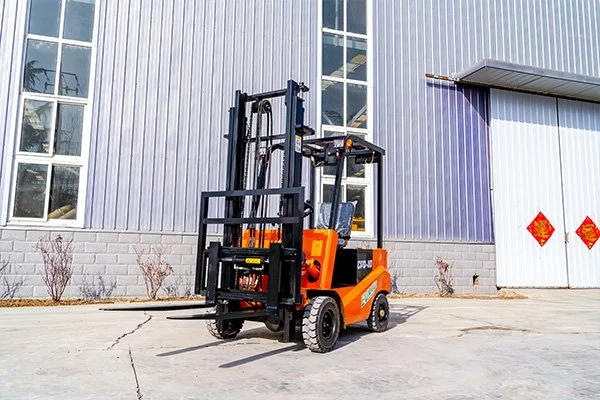
In the food and beverage industry, its zero-emission status is critical, allowing it to operate directly within cold storage, preparation areas, and sensitive food handling zones without risk of contaminating products with exhaust fumes. Similarly, in pharmaceutical manufacturing and cleanrooms, the HW1T’s smooth, quiet operation and non-polluting nature make it essential for moving high-value raw materials and finished goods. The consistent power delivery and precise controls are also highly valued in automated manufacturing cells, where it serves as a reliable link between production machinery and outbound logistics areas. By proving its capability in these demanding, high-standard environments, the HW1T Electric Forklift solidifies its position not just as a warehouse tool, but as a versatile, cross-industry asset integral to modern, responsible manufacturing and supply chain operations.
Frequently Asked Questions (FAQ)
Q1: What is the main benefit of using the HW1T Electric Forklift over a diesel forklift indoors?
The main benefit is zero emissions and significantly reduced noise pollution. This eliminates the need for costly ventilation systems and creates a safer, healthier, and quieter working environment, particularly in food or pharmaceutical facilities.
Q2: Are the maintenance costs significantly lower for the HW1T Electric Forklift?
Yes, maintenance costs are generally much lower. Electric forklifts have far fewer moving parts than internal combustion (IC) models, lacking an engine, transmission, oil filters, and spark plugs, which drastically reduces service complexity and frequency.
Q3: Can the HW1T Electric Forklift handle multi-shift operations effectively?
Yes, especially when equipped with modern lithium-ion batteries. These batteries support “opportunity charging”—brief charges during breaks—which allows the forklift to run continuously without the downtime and labor associated with full battery swaps.