In the demanding environment of modern construction, agriculture, and material handling, efficiency and versatility are non-negotiable requirements for heavy equipment. Traditional machinery often forces operators to choose between the high lift capability of a telehandler and the maneuverability of a skid steer. The HW2500 Telescopic Loader bridges this gap, offering a unique combination of compact size, robust lift capacity, and the extended reach of a telescopic boom.
For site managers, fleet owners, and specialized contractors, the decision to invest in a multi-functional machine like the HW2500 Telescopic Loader represents a strategic move toward optimizing site logistics and reducing fleet complexity. The central question is: Does the HW2500 Telescopic Loader genuinely deliver the operational flexibility and power to replace multiple single-purpose machines, thereby becoming the definitive utility solution for challenging worksites? This comprehensive guide will dissect the machine’s core engineering, analyze its critical performance metrics, and detail its strategic applications, confirming its position as a high-value asset in the engineering machinery landscape.
Engineering Excellence: Core Design and Performance of the HW2500 Telescopic Loader
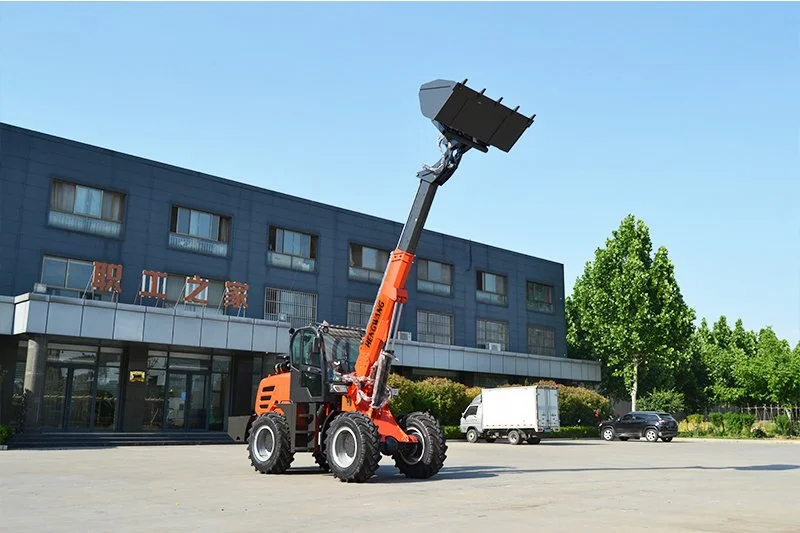
The utility and resilience of the HW2500 Telescopic Loader stem directly from its purpose-built engineering, focusing on stability, power, and compact efficiency.
Power and Drivetrain Reliability
The performance of the HW2500 Telescopic Loader is founded on a reliable, efficient engine designed to deliver consistent torque across demanding operational cycles. Unlike standard loaders, the telescopic variant often requires instant power for rapid hoisting and precise maneuvering in confined spaces. The machine typically features a robust hydrostatic transmission system. This choice in drivetrain provides numerous advantages, including smooth, stepless speed changes, which are essential for maintaining control when carrying loads at full extension. Furthermore, hydrostatic systems are known for their durability and require minimal maintenance compared to complex gear-driven transmissions, thereby enhancing the long-term operational lifespan of the machine. Operators frequently report that the responsiveness of the powertrain greatly contributes to reduced cycle times in repetitive tasks.
Stability and the Telescopic Boom System
The most defining feature of the HW2500 Telescopic Loader is its extended boom, which enables significant vertical and forward reach. The design of this boom utilizes advanced high-strength steel alloys to ensure rigidity and minimize deflection, even when handling maximum capacity. Crucially, the machine’s chassis is engineered to incorporate a low center of gravity and, often, a sophisticated load sensing system. This system continuously monitors the weight and position of the load relative to the machine’s stability triangle. If the load approaches the operational limit, the system provides real-time feedback or automatically limits hydraulic functions, preventing dangerous tipping scenarios. This combination of powerful reach and intelligent stability management allows the machine to safely execute tasks that would be impossible for a conventional loader.
Operational Versatility and Application of the HW2500 Telescopic Loader
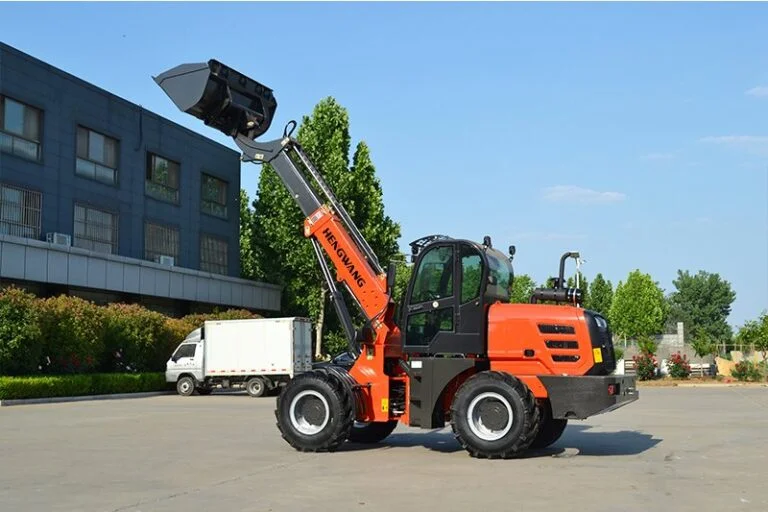
The true economic value of the HW2500 Telescopic Loader is realized through its exceptional versatility, allowing it to perform tasks across multiple industrial sectors.
Mastering Material Handling in Construction
In construction, the HW2500 Telescopic Loader excels in scenarios where access is difficult or space is limited. Its telescopic boom allows workers to place pallets of bricks, mortar, or roofing materials directly onto high scaffoldings or into second-story windows without the need for a separate crane or mast lift. This capability dramatically streamlines vertical logistics on crowded job sites. Moreover, its compact footprint means the machine can maneuver effectively through narrower passages and tight residential areas where larger traditional telehandlers might struggle. By easily switching attachments, the same machine can transition from lifting pallets to clearing debris with a bucket, or moving heavy trusses with specialized forks, significantly maximizing site efficiency.
Essential Roles in Agricultural and Landscaping Operations
Beyond construction, the HW2500 Telescopic Loader is an indispensable tool in modern agriculture. Its extended reach is ideal for stacking large bales of hay or feed up to significant heights in storage barns, optimizing vertical storage capacity. When fitted with a silage fork or grapple attachment, the machine efficiently loads bulk materials into mixer wagons or trucks. The smooth hydraulic controls and all-wheel steering found in many models allow for precision handling, reducing damage to delicate materials and minimizing soil disturbance in fields. Therefore, the strategic purchase of the HW2500 Telescopic Loader provides year-round utility, transitioning seamlessly from field work to facility maintenance.
Attachment System and Quick Coupler Efficiency
A key element driving the versatility of the HW2500 Telescopic Loader is its standard quick-coupler system. This hydraulic or mechanical interface allows the operator to swap between a wide array of specialized attachments—including buckets, pallet forks, hydraulic hammers, sweepers, and snow blades—in a matter of minutes, often without leaving the cab. This rapid interchangeability minimizes unproductive downtime and ensures that the machine can adapt to evolving site requirements instantly. The machine’s powerful auxiliary hydraulics are designed to provide consistent, high-flow pressure to complex powered attachments, such as snow blowers or tree shears, thereby extending the machine’s functional scope far beyond simple loading and lifting.
Strategic Ownership: Maintenance, Safety, and Long-Term Value
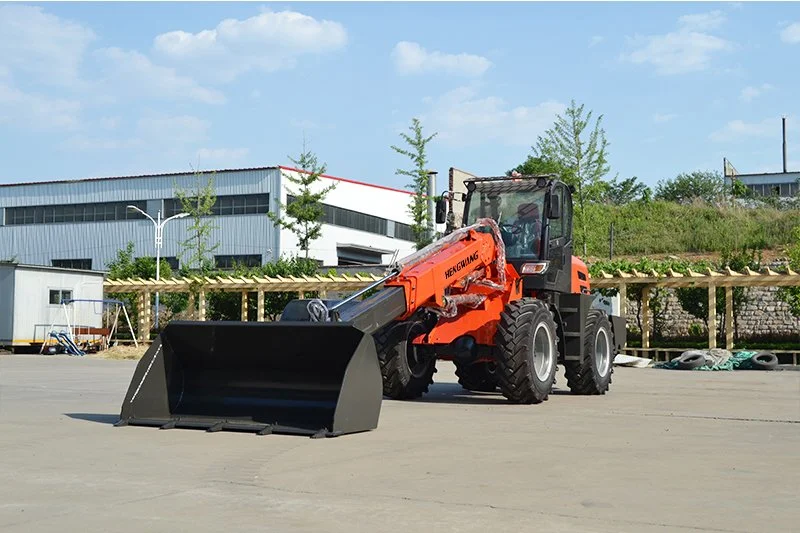
Investing in the HW2500 Telescopic Loader is a long-term capital decision requiring consideration of maintenance protocols, safety features, and total cost of ownership.
Proactive Maintenance and Diagnostics
The longevity and reliability of the HW2500 Telescopic Loader depend on adherence to a rigorous preventative maintenance schedule. Key areas requiring attention include the lubrication of the telescopic boom sections, regular checking of hydraulic fluid levels and cleanliness, and monitoring the condition of the tires or tracks, as uneven wear can affect stability. Modern machines are often equipped with sophisticated onboard diagnostics systems that actively monitor engine performance, hydraulic pressures, and filter status. These systems alert the operator to potential issues before they escalate into major failures, helping fleet managers schedule proactive repairs and minimize costly, unexpected downtime.
Safety Features and Operator Comfort
Operator safety is paramount, particularly when dealing with the high lifting dynamics of a telescopic machine. The HW2500 Telescopic Loader incorporates advanced safety features, including rollover protection structures (ROPS) and falling object protection structures (FOPS) integrated into the cab design. Visibility from the cab is enhanced through careful pillar placement and the use of mirrors and rear-view cameras, which are crucial during tight maneuvers. Furthermore, ergonomic controls, adjustable seating, and climate control are standard in high-quality models. These features collectively reduce operator fatigue, leading to higher productivity and significantly decreasing the risk of site accidents over long working hours.
Total Cost of Ownership (TCO) Analysis
When evaluating the acquisition of the HW2500 Telescopic Loader, the focus should extend beyond the initial purchase price to the Total Cost of Ownership (TCO). While the initial investment might be higher than a small standard loader, the TCO is often lower when considering the machine’s ability to replace two or three specialized pieces of equipment. Factors contributing to a favorable TCO include high fuel efficiency from the modern engine, extended service intervals due to robust component design, and, crucially, high resale value maintained by the machine’s inherent versatility and demand in the used equipment market. A thorough TCO analysis confirms the HW2500 Telescopic Loader as a strategically sound investment for diverse operational needs.
Frequently Asked Questions (FAQ)
Q1: What are the main advantages of a hydrostatic transmission in the HW2500 Telescopic Loader?
A: Hydrostatic transmissions offer excellent power delivery, smooth, continuous speed changes without shifting, and simplified operation. This enhances control and responsiveness, which is essential for precise loading and lifting at height.
Q2: How does the HW2500 Telescopic Loader maintain stability at maximum boom extension?
A: Stability is maintained through a combination of a low center of gravity in the chassis design and a sophisticated load sensing system. This system actively monitors the load weight and boom angle, providing warnings or automatically limiting hydraulic movement to prevent overloading or tipping.
Q3: Can the HW2500 Telescopic Loader handle heavy, non-palletized bulk materials?
A: Yes. When fitted with the appropriate heavy-duty bucket or grapple attachment, the machine’s powerful hydraulics and lift capacity make it highly capable of handling dense bulk materials like gravel, soil, feed, or silage with high efficiency.