The Dawn of Sustainable Power in Compact Excavation
The construction industry, a cornerstone of global infrastructure, is undergoing a profound transformation driven by the imperative of sustainability and operational efficiency. This shift is particularly evident in the compact machinery sector, where diesel-powered equipment has long been the standard. However, a new contender is rapidly emerging, promising to redefine on-site operations: the electric excavator. Among these groundbreaking machines, the HWE15 Electric Excavator stands out as a significant innovation, directly addressing the modern demands of urban, indoor, and sensitive environmental projects. This deep dive aims to explore the transformative potential of the HWE15 Electric Excavator, detailing its features, applications, and the substantial value it offers to professional construction product users who are focused on future-proofing their fleet and maximizing return on investment.
Understanding the HWE15 Electric Excavator: A Core Introduction
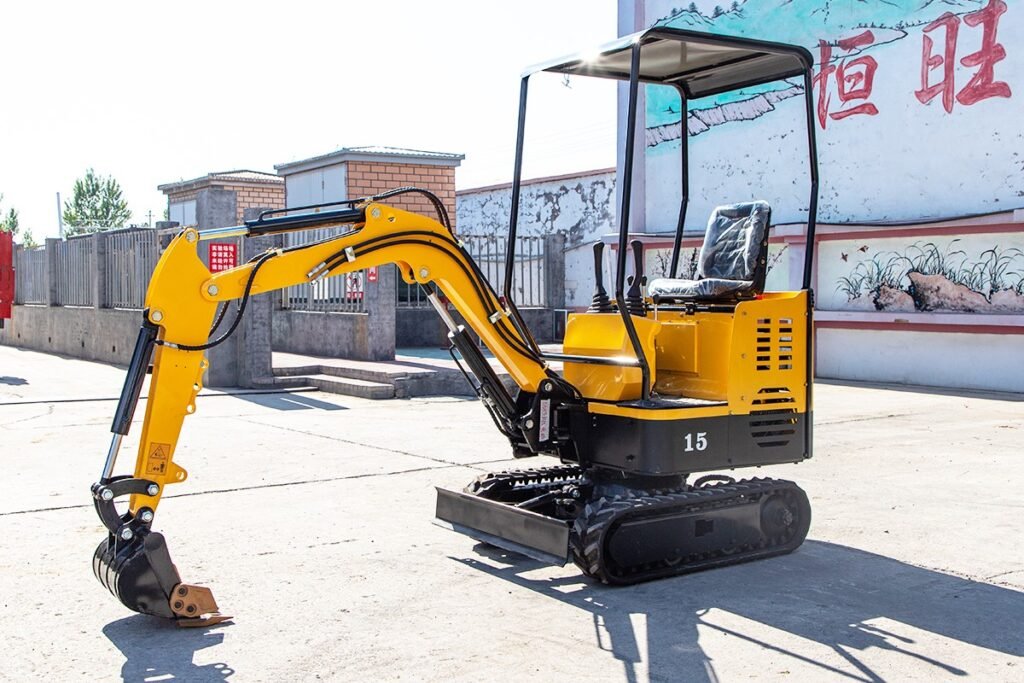
The HWE15 Electric Excavator is not merely an electric adaptation of a traditional mini-excavator; it represents a fundamental redesign centered around electric propulsion technology. Engineered for high performance in confined spaces, the HWE15 is comparable to a 1.5-ton conventional machine, making it ideal for tasks ranging from residential landscaping and utility trenching to specialized indoor demolition. Essentially, the HWE15 integrates the familiar operational flexibility and power of its diesel counterparts with the environmental and economic benefits of electric power. Consequently, project managers and site owners are increasingly recognizing the HWE15 as a viable, and often superior, alternative for tight-quarter operations.
At its core, the HWE15 is powered by a robust, high-capacity lithium battery system, which eliminates the need for fossil fuels entirely. This strategic design choice yields immediate benefits in terms of emissions control and energy cost savings. This transition is crucial because it allows construction professionals to comply with increasingly stringent environmental regulations, particularly those mandated in dense urban centers or for green building certifications. Therefore, making the switch to electric machinery like the HWE15 Electric Excavator is not just an environmental choice, but a strategic business decision aimed at ensuring long-term project accessibility and compliance.
The Definitive Features of Electric Advantage
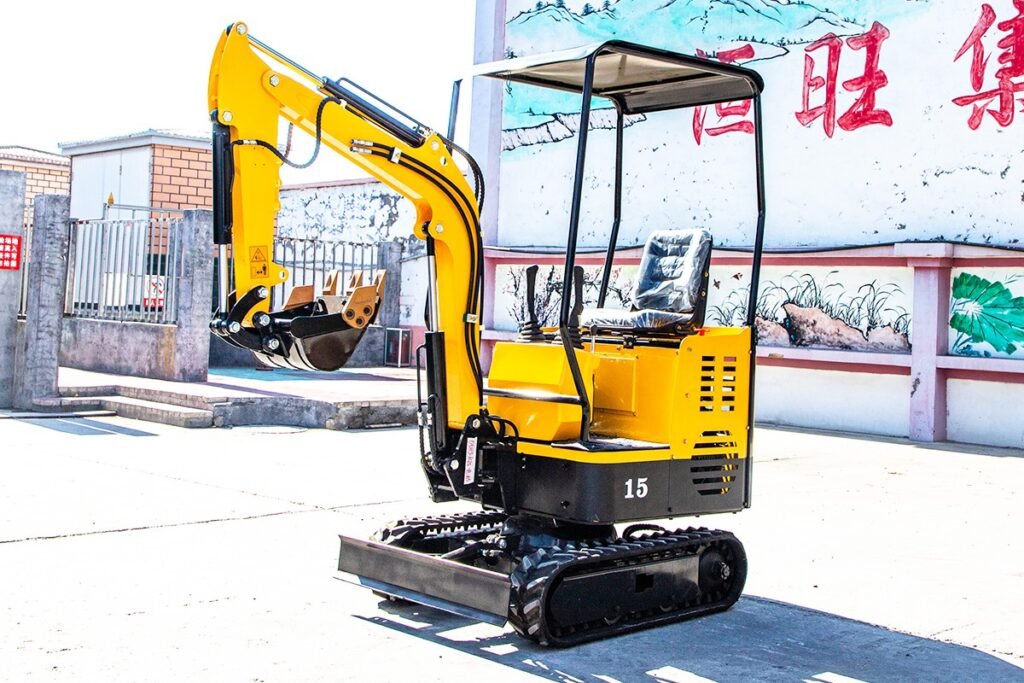
The value proposition of the HWE15 Electric Excavator is built upon three critical pillars: environmental stewardship, operational excellence, and minimized ownership costs. These characteristics collectively set it apart from legacy diesel models.
Zero Emissions and Noise Reduction: A Game-Changer for Urban Sites
The most immediate and compelling advantage of the HWE15 is its complete lack of tailpipe emissions. In an era where air quality is paramount, the zero-emission operation allows the machine to be used safely and effectively in enclosed environments, such as factories, basements, and large commercial buildings, without requiring extensive ventilation. Furthermore, the substantial reduction in noise pollution is transformative. Unlike the persistent, loud rumble of a diesel engine, the HWE15 operates with a subtle hum, dramatically improving communication and safety on the job site. This is particularly advantageous when working during restricted hours or near schools and hospitals, where noise disturbance is strictly regulated. Subsequently, sites utilizing the HWE15 often experience enhanced worker comfort and reduced community complaints, leading to smoother project execution.
Optimized Performance and Precision
Electric motors possess inherent advantages in torque delivery and responsiveness compared to internal combustion engines. The HWE15 Electric Excavator leverages this, offering instant torque that translates into smooth, powerful, and precise digging and lifting actions. Maintenance is also greatly simplified. Electric systems contain fewer moving parts—no engine oil, fuel filters, or complex cooling systems are required. This translates directly into reduced downtime and lower ongoing maintenance expenses. For equipment users, the reliability and simplicity of the electric drivetrain mean the machine spends more time working and less time being serviced. Though the initial investment in electric machinery can be higher, the lifetime operational cost savings often demonstrate a superior total cost of ownership (TCO).
HWE15 in Action: Applications in the Modern Construction Landscape
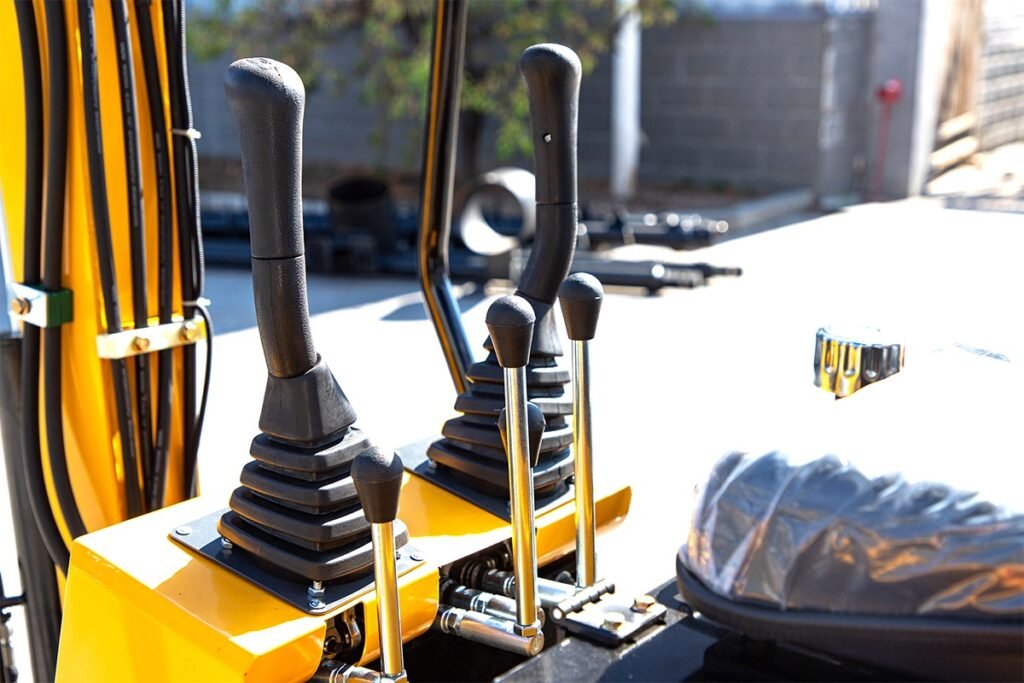
The specific features of the HWE15 Electric Excavator align perfectly with the evolving demands of the engineering and construction sector. Its compact size, combined with electric power, opens up new avenues for efficient work in previously challenging locations.
Infrastructure and Utility Work in Confined Spaces
Modern urban infrastructure projects—from fiber optic cable installation to gas line maintenance—frequently require excavation in narrow alleyways, densely populated areas, or alongside existing structures. The compact dimensions and zero-emission capability of the HWE15 are indispensable in these scenarios. The machine’s small footprint allows for easy navigation around obstacles, while the quiet operation minimizes disruption to residents and businesses. In basement waterproofing or internal demolition for renovations, the HWE15’s ability to operate indoors safely and cleanly provides a practical solution where diesel fumes would be prohibitive.
Landscaping and Residential Construction
For high-end residential construction and commercial landscaping, the protection of the existing environment is critical. The low-impact nature of the HWE15, both in terms of noise and exhaust, makes it the preferred tool. It can work in finished yards, adjacent to homes, or within established gardens with minimal disturbance. Moreover, the ease of charging the HWE15 at a standard construction site power hookup simplifies logistics compared to managing diesel refueling schedules. This combination of respect for the environment and streamlined logistics is highly valued by clients and contractors focused on quality outcomes. Consequently, the HWE15 helps construction firms secure projects with strict environmental clauses.
The Path to Adoption: Addressing Practical Concerns
While the advantages of the HWE15 Electric Excavator are clear, prospective users often express concerns related to battery life, charging infrastructure, and overall power. These are valid points that are rapidly being addressed by the industry.
Modern battery technology is engineered for the rigorous demands of construction work, providing sufficient operating hours for a typical workday on a single charge. Furthermore, fast-charging capabilities are becoming standard, allowing for quick top-ups during breaks. The evolution of charging infrastructure on construction sites, moving toward readily available temporary power solutions, continues to support the adoption of electric machinery. For heavy equipment product users, the focus should shift from the traditional metric of ‘fuel tank size’ to ‘battery management strategy,’ which includes optimizing charging opportunities during lulls in operation.
Conclusion: Embracing the Electric Future with the HWE15
The construction industry is undeniably moving towards a greener, quieter, and more efficient future. The HWE15 Electric Excavator is at the vanguard of this movement, offering a powerful, reliable, and environmentally superior solution for compact excavation needs. By eliminating emissions, drastically reducing noise, and lowering long-term operating costs, the HWE15 provides real, tangible value to construction professionals seeking to maximize profitability, secure contracts in sensitive areas, and enhance their commitment to sustainability. Investing in this technology is not merely purchasing a piece of equipment; it is strategically positioning a business for success in the evolving landscape of global infrastructure development. The question is no longer if electric machinery will dominate the compact sector, but how quickly professionals will adopt revolutionary tools like the HWE15 to gain a competitive edge.
Frequently Asked Questions (FAQ)
Q1: What is the typical operating duration of the HWE15 Electric Excavator on a single charge? A: The operating duration is dependent on the intensity of the application. However, under typical construction conditions, the HWE15 is engineered to provide sufficient working time, often aligning with the demands of an 8-hour shift. Efficiency is maximized through strategic charging during breaks.
Q2: How does the power output of the HWE15 compare to a traditional 1.5-ton diesel excavator? A: Due to the inherent efficiency and instant torque delivery of the electric motor, the HWE15 Electric Excavator is comparable in digging force and breakout power to its diesel equivalent. Many users report the electric motor provides smoother and more responsive control.
Q3: What charging infrastructure is required for the HWE15 on a construction site? A: The HWE15 can typically be charged using standard construction site power connections, including 220V/240V outlets, though utilizing higher-capacity chargers significantly reduces downtime. As a construction product user, you may need to ensure a stable power supply is readily accessible near the work area.