The modern construction landscape is defined by a constant need for greater efficiency, safety, and versatility. As projects become more complex and timelines tighten, relying on single-purpose equipment is no longer a viable strategy. Instead, the industry is increasingly turning to multi-functional machines that can adapt to a wide array of tasks. This is where the HWR735 telehandler emerges as a critical piece of equipment. But does this powerful machine truly offer a comprehensive solution for the demanding needs of today’s construction sites?
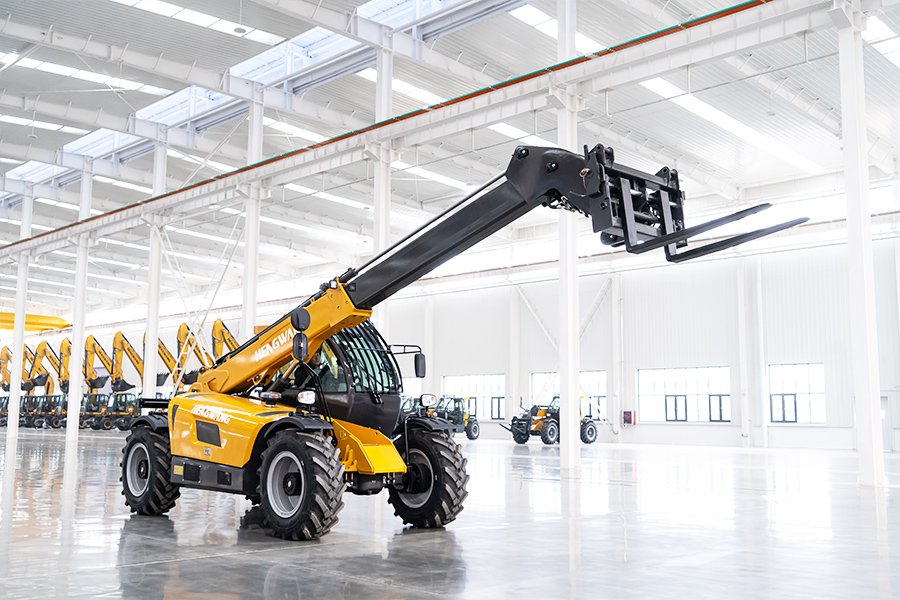
At its core, a telehandler, or telescopic handler, is a machine that bridges the gap between a forklift and a crane. It features a telescopic boom that allows it to lift and place loads with forward and upward reach, a capability that traditional forklifts simply cannot match. The HWR735 telehandler, in particular, stands out for its robust design and a suite of features engineered to tackle the most challenging jobs. It’s not just a lift truck; it’s a dynamic workhorse built to handle a variety of materials and applications across rough, uneven terrain.
The Defining Characteristics of the HWR735 Telehandler
Understanding the capabilities of a machine like the HWR735 telehandler requires a deep dive into its key features. These aren’t just technical specifications; they are the attributes that directly impact productivity, safety, and operational costs on a job site.
Power and Performance
The foundation of any heavy-duty machine is its power plant. The HWR735 telehandler is equipped with an engine that provides ample power and torque, ensuring it can handle heavy loads with ease. This power is transmitted through a highly efficient system, often hydrostatic, which allows for smooth, precise control at low speeds and provides robust force for lifting. This combination of power and control is crucial when maneuvering in tight spaces or when a delicate touch is needed to place materials at height. The hydraulic system further enhances its performance, enabling quick and responsive boom movements, which significantly reduces cycle times and boosts overall efficiency.
Unmatched Versatility
One of the most compelling advantages of a telehandler is its incredible versatility, and the HWR735 telehandler exemplifies this. Unlike a standard forklift that is limited to palletized goods, the HWR735 telehandler can be fitted with a wide range of attachments. This adaptability is what truly makes it a multi-purpose machine. Attachments such as forks, buckets, jibs, hooks, and work platforms can be interchanged quickly and easily. This means a single machine can be used for tasks ranging from lifting and placing steel beams to moving bulk materials like gravel and sand, or even providing a secure platform for workers to perform maintenance at elevated heights. This flexibility reduces the need for multiple machines on a site, which in turn lowers equipment costs and simplifies site logistics.
The Advantage of Telescopic Reach
The telescopic boom is the defining feature of a telehandler and is what sets the HWR735 telehandler apart from other material handlers. This extendable arm allows it to place materials not only high up but also forward across obstacles or over trenches. For instance, on a construction site, the HWR735 telehandler can be positioned at a safe distance from a building and still deliver materials like bricks, roofing materials, or prefabricated panels directly to the work area on an upper floor. This capability is invaluable for saving time and improving safety by minimizing the need for manual transport of materials in difficult-to-access areas.
A Focus on Construction Site Applications
The true value of the HWR735 telehandler is revealed in its practical application on construction sites. It is built from the ground up to address the unique challenges of this environment, where the ground is often uneven and tasks are constantly changing.
Lifting and Material Placement
In construction, the movement of materials is a constant and often complex process. The HWR735 telehandler excels at this. It can easily offload pallets of drywall, lumber, or cement bags from delivery trucks and transport them across the rough terrain of a site. Its robust tires and high ground clearance allow it to navigate mud, gravel, and uneven surfaces that would stop a conventional forklift in its tracks. Once at the destination, the telescopic boom can precisely place the materials where they are needed, whether that’s inside a building frame or on a rooftop. This precision and flexibility significantly streamline the workflow, ensuring that materials are always available to the crews that need them.
Rough Terrain Maneuverability
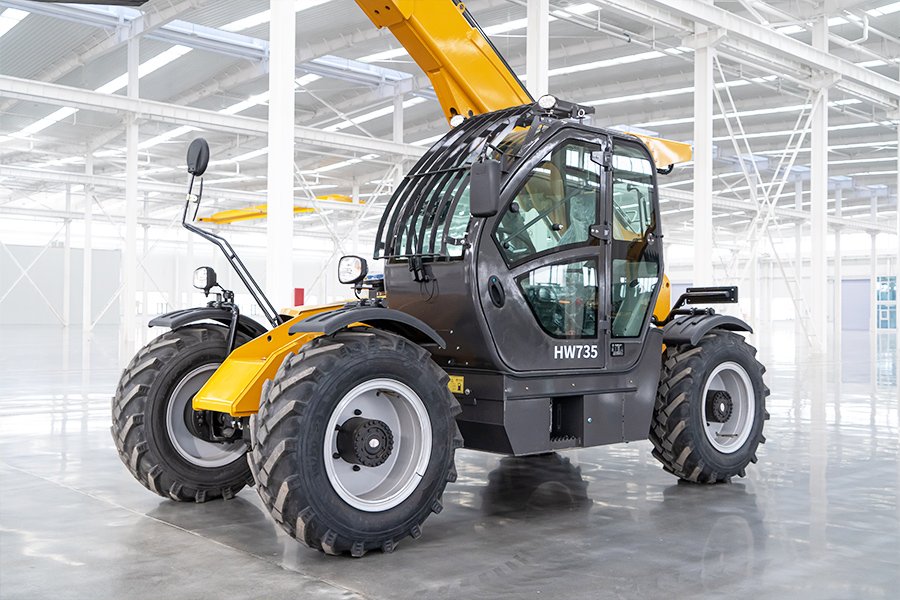
Construction sites are rarely flat and paved. They are dynamic environments with constantly changing ground conditions. The HWR735 telehandler is engineered to thrive in these conditions. Features like four-wheel drive and multiple steering modes—including front-wheel, four-wheel, and crab steering—provide superior maneuverability. Crab steering, in particular, allows the machine to move diagonally, which is incredibly useful for navigating around obstacles or getting into tight corners. This ability to move on diverse and challenging terrain is a key differentiator, making it a reliable work partner from the initial ground-breaking phase to the final stages of a project.
Enhanced Site Safety
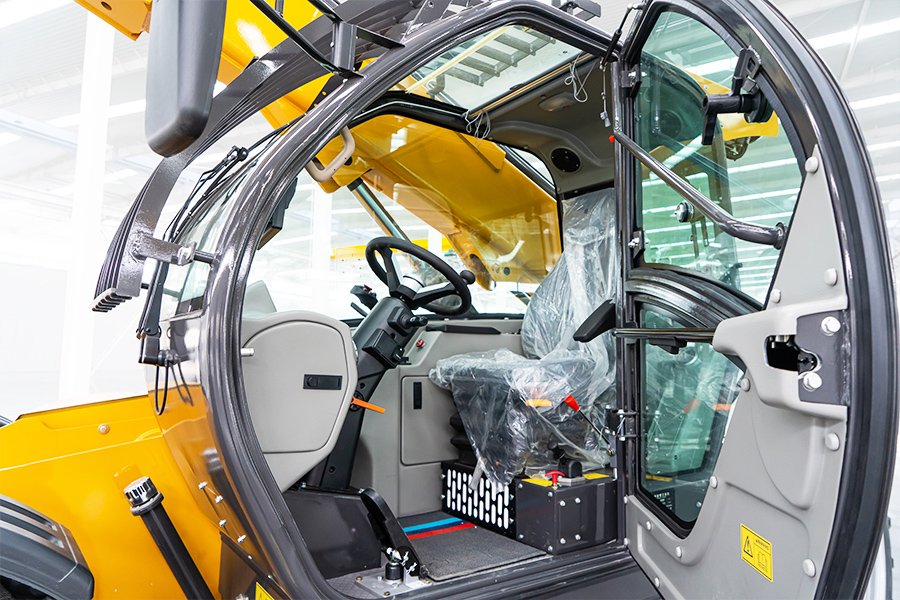
Safety is paramount in the construction industry, and the HWR735 telehandler incorporates a variety of features to protect operators and ground crews. The machine is designed with a stable base and advanced load-sensing systems that monitor the weight and position of the load relative to the machine’s stability limits. Overload indicators and automatic shutdown features prevent dangerous situations before they can occur. Additionally, the operator’s cab is designed for maximum visibility, reducing blind spots and allowing the operator to have a clear view of the work area. The ergonomic controls and comfortable seating also reduce operator fatigue, which is a major factor in accident prevention on long workdays.
Operational Excellence and the Total Cost of Ownership
Investing in a piece of heavy machinery is a significant decision. Beyond the initial purchase price, operators and project managers must consider the long-term total cost of ownership, which includes maintenance, fuel efficiency, and uptime. The HWR735 telehandler is designed to provide value in all these areas.
Fuel Efficiency and Reduced Emissions
Modern engineering has made significant strides in improving the fuel efficiency of heavy equipment. The HWR735 telehandler is built with an efficient engine that not only provides power but also optimizes fuel consumption. This translates to lower operating costs and a reduced environmental footprint, which is an increasingly important factor in today’s market. The ability to perform multiple tasks with a single machine also reduces the overall fuel consumption that would be required to operate several different pieces of equipment.
Ease of Maintenance
Regular maintenance is critical for ensuring the longevity and reliability of any machine. The HWR735 telehandler is designed for easy access to key service points, simplifying daily checks and routine maintenance tasks. The robust build and use of high-quality components mean fewer unexpected breakdowns and greater uptime. This reliability is vital on a construction site, where a single equipment failure can cause significant project delays.
The Final Verdict: An Indispensable Tool for the Modern Builder
Ultimately, the question of whether the HWR735 telehandler is a game-changer is answered by its comprehensive capabilities. It is more than just a piece of lifting equipment; it is a versatile, powerful, and safe solution for a broad spectrum of construction tasks. Its ability to navigate rough terrain, handle a variety of attachments, and precisely place materials at height makes it an indispensable asset. For construction professionals seeking to optimize their operations, reduce costs, and prioritize safety, the HWR735 telehandler is not just an option—it’s a clear and compelling choice.
FAQ
Q: What is the main difference between a telehandler and a traditional forklift? A: A traditional forklift primarily lifts materials vertically on a flat surface. A telehandler, like the HWR735 telehandler, has a telescopic boom that can extend forward and upward, allowing it to reach over obstacles and place materials at significant heights, even on rough terrain.
Q: What attachments are most commonly used with the HWR735 telehandler? A: The most common attachments are forks for pallets, a bucket for loose materials, a jib or hook for suspended loads, and a work platform for elevated tasks. The versatility of the machine comes from its ability to quickly switch between these attachments.
Q: How does the HWR735 telehandler handle challenging ground conditions? A: The HWR735 telehandler is designed for rough terrain with features like four-wheel drive, large off-road tires, and high ground clearance. Its multiple steering modes also provide excellent maneuverability on uneven and crowded job sites.