Finding a high-performance reverse circulation rig for sale is a critical step for infrastructure companies. These machines are the primary choice for constructing bridge foundations and high-rise building supports. A reverse circulation rig utilizes a dual-walled pipe system to move cuttings efficiently. This mechanism ensures that the borehole remains stable even in loose or water-bearing strata. For B2B buyers, selecting the right equipment means balancing initial capital expenditure with long-term operational efficiency. This analysis covers the technical requirements and procurement standards necessary for a successful investment.
Key Technical Features of a Reverse Circulation Rig for Sale
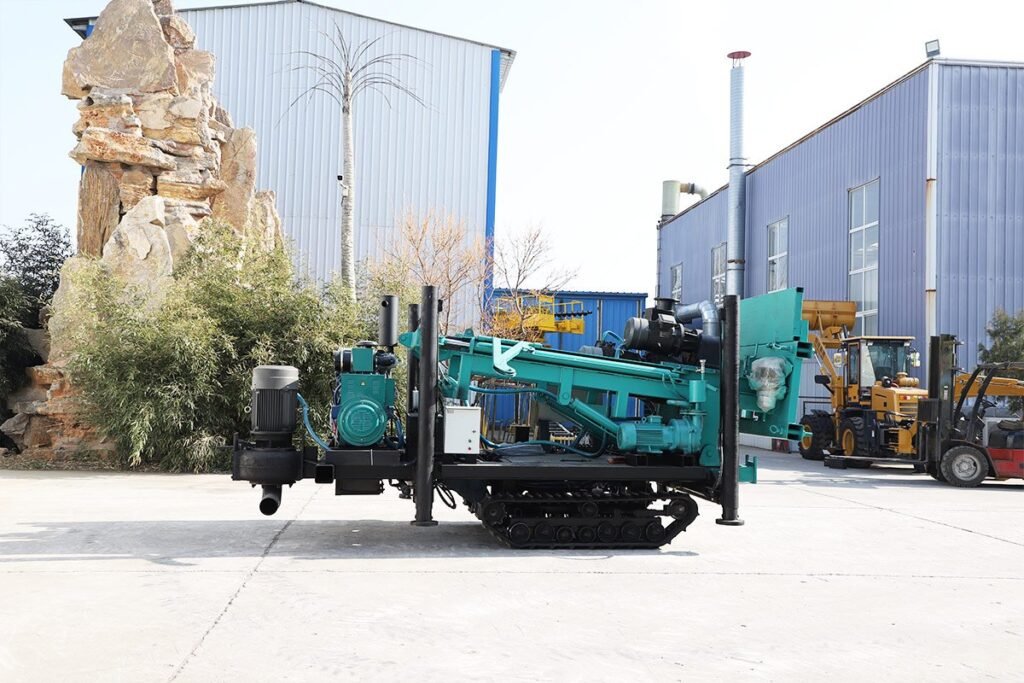
The most important specification for any reverse circulation rig for sale is the maximum drilling diameter. Large-scale infrastructure projects often require boreholes ranging from 1.5 to 4.0 meters in width. A rig must have the structural integrity to support these massive drill bits without compromising verticality. The hoisting capacity is equally vital, as deep foundations require a lifting force often exceeding 250 kN. You must also evaluate the torque of the power head to ensure it can penetrate gravel and hard rock layers.
Hydraulic system reliability is another non-negotiable factor for professional users. A high-quality reverse circulation rig should feature independent hydraulic circuits for the main hoist and rotation. This design prevents power drops when multiple functions are used simultaneously. Furthermore, advanced cooling systems are necessary for continuous 24-hour drilling operations in hot climates. Rigs with integrated sensors for hydraulic pressure and oil temperature allow operators to prevent major component failures. Investing in a rig with digital monitoring systems significantly reduces the risk of project delays.
The chassis design determines the rig’s mobility and stability on challenging jobsites. Crawler-mounted units are preferred for soft ground conditions because they distribute weight more evenly. This prevents the rig from sinking or tilting during the high-pressure drilling phase. Additionally, check if the rig features a telescopic mast to simplify transportation between different sites. A modular design reduces assembly time and lowers the cost of specialized transport permits.
Why Choose Top Reverse Circulation Drill Rig Manufacturers
Selecting reputable reverse circulation drill rig manufacturers is essential for ensuring technical support and part availability. Professional manufacturers prioritize the use of high-grade alloy steel for the mast and structural frames. This material selection prevents metal fatigue during high-torque operations, extending the machine’s lifespan. Leading reverse circulation drill rig manufacturers also follow international ISO standards for all hydraulic and electrical components. This standardization makes it easier for your local mechanics to perform routine maintenance.
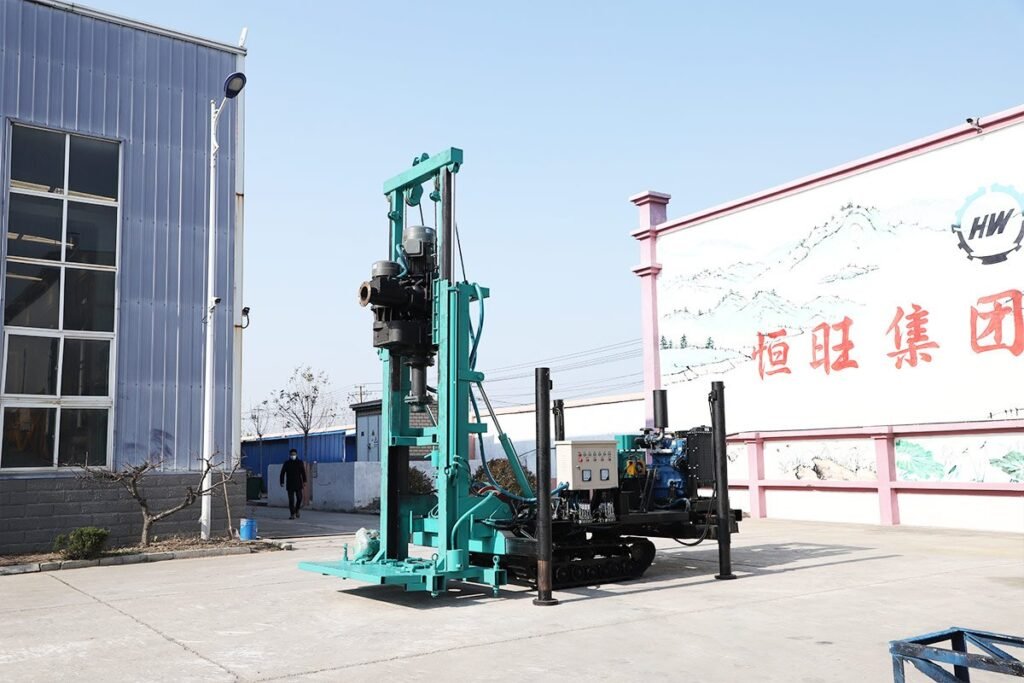
Innovation in drilling technology is a key differentiator among top-tier suppliers. Many manufacturers now incorporate PLC (Programmable Logic Controller) systems to automate certain drilling sequences. These systems can automatically adjust the weight-on-bit based on the resistance encountered in different soil layers. This automation minimizes operator error and protects the drill string from excessive stress. Buying from an innovative manufacturer ensures your fleet remains competitive in the evolving construction market.
Furthermore, established reverse circulation drill rig manufacturers offer comprehensive training programs for your engineering team. Understanding the nuances of air-lift reverse circulation vs. pump-suction circulation is vital for project success. A manufacturer that provides detailed technical manuals and on-site commissioning helps your crew reach peak productivity faster. Reliable manufacturers also maintain a robust inventory of wear parts, such as dual-wall pipes and specialized drill bits. This supply chain stability is the primary reason B2B buyers avoid unbranded or low-cost alternatives.
Operational Advantages in Big Diameter Drilling Projects
The reverse circulation rig offers significant economic benefits compared to traditional rotary drilling methods. In large-diameter applications, the speed of cuttings removal is the primary factor limiting production. Because the RC method uses the inner pipe for transport, the upward velocity of the fluid is much higher. This allows for the immediate removal of large rocks and debris from the bottom of the hole. Scientific studies indicate that reverse circulation can be 30% to 40% faster in gravel strata.
Environmental compliance is another area where these rigs excel. The closed-loop nature of the reverse circulation process minimizes the amount of drilling mud exposed to the surface. This reduces the footprint of the jobsite and simplifies waste management protocols. On urban construction sites, using a reverse circulation rig helps in meeting strict local environmental regulations regarding site runoff. The reduction in water consumption can reach up to 50% compared to open-hole drilling methods.
Structural integrity of the borehole is maintained through hydrostatic pressure management. The fluid inside the hole prevents the walls from collapsing inward without the need for expensive casing in every scenario. This capability is particularly useful for bridge piling in riverbeds or coastal regions with high water tables. The samples collected through the inner pipe are also more accurate, providing better geological data for the engineering team. High-quality geological sampling ensures that the foundation design is perfectly suited to the subterranean conditions.
Selecting the Right Reverse Circulation Rig for Foundation Work
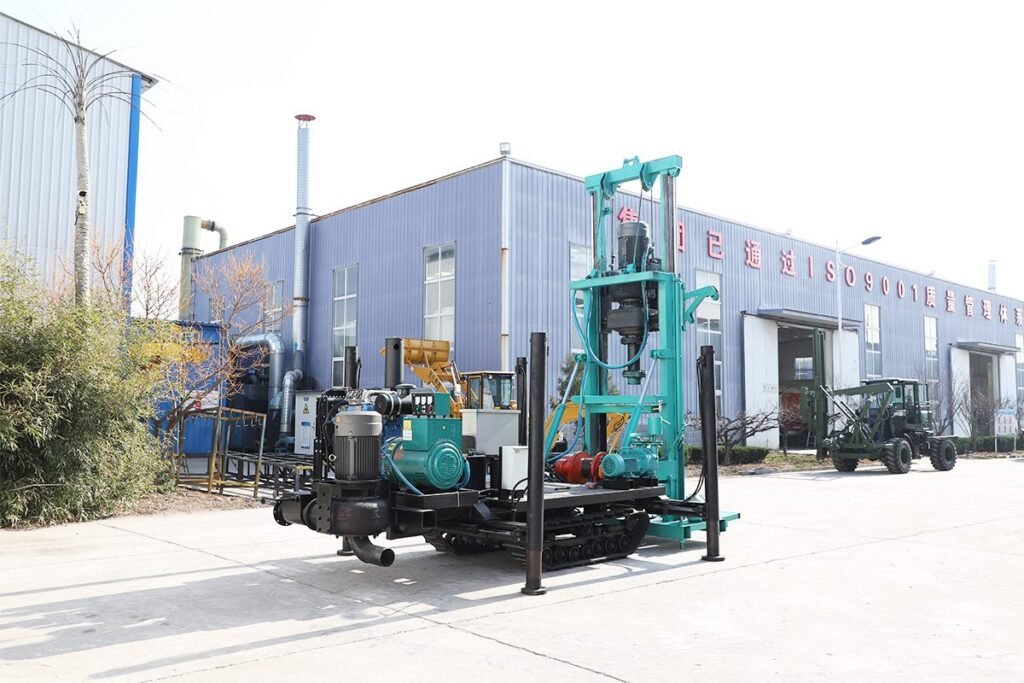
When you evaluate a reverse circulation rig for sale, you must consider the specific requirements of big-diameter foundation work. For projects involving hole depths up to 100 meters, the HF-400L model provides the necessary torque and hoisting power. This specific rig is designed for high-efficiency operation in diverse geological formations including clay, sand, and rock. A critical factor in this selection is the air-lift system’s capacity, which must handle high volumes of material without clogging. Choosing a rig like the HF-400L ensures that your equipment is tailored for the heavy-duty demands of bridge and high-rise construction.
You should also analyze the ease of operation and the ergonomic design of the control cabin. Operators who are comfortable and have clear visibility are more efficient and less likely to cause accidents. Rigs that feature centralized lubrication systems further reduce the daily maintenance burden on the crew. This allows your team to focus on drilling progress rather than manual upkeep tasks. Evaluating the rig based on these operational standards ensures a higher return on investment over the machine’s lifecycle.
Finally, ensure the rig’s hydraulic and engine components meet the emission standards of your target region. Many modern projects require Stage V or Tier 4 Final engines to operate in city centers. A rig that balances power output with environmental efficiency is more likely to be approved for prestigious government contracts. Aligning your equipment choice with project-specific technical demands is the most effective way to secure a competitive edge.
Summary
Purchasing a reverse circulation rig for sale requires a deep understanding of drilling torque, hoisting capacity, and manufacturer reliability. These machines are the most efficient solution for large-diameter boreholes in complex soil conditions. By selecting a rig from reputable reverse circulation drill rig manufacturers, you gain access to durable components and vital technical support. Ultimately, the right reverse circulation rig will maximize your project’s speed while lowering environmental and operational costs.
FAQ
Q:What is the main difference between forward and reverse circulation?
In forward circulation, fluid goes down the pipe; in reverse circulation, the fluid and cuttings return up through the center of the drill pipe.
Q:How do I choose between different reverse circulation drill rig manufacturers?
Prioritize manufacturers with ISO certifications, a history of large-diameter foundation projects, and a global spare parts network.
Q:What soil conditions are best for a reverse circulation rig for sale?
These rigs are exceptionally effective in loose gravel, sand, and soft to medium-hard rock where hole wall stability is difficult to maintain.
Q:What is the maximum drilling depth for the HF-400L?
The HF-400L is typically configured to reach depths of approximately 100 meters, making it ideal for deep bridge pilings.
Q:Does a reverse circulation rig require a lot of water?
No, because the fluid is recycled in a closed-loop system, it consumes significantly less water than traditional rotary drilling.
Reference Sources
National Ground Water Association – Manual of Water Well Construction Practices
https://www.ngwa.org/
Deep Foundations Institute – Deep Foundations Magazine and Technical Manuals
https://www.dfi.org/
International Society for Soil Mechanics and Geotechnical Engineering – Technical Reports
https://www.issmge.org/