Adding a new concrete mixer truck to your fleet is a significant capital investment that impacts your operational efficiency for years. In my professional experience, procurement managers often focus too heavily on upfront costs rather than technical durability. This oversight can lead to expensive downtime and inconsistent concrete quality. You need a vehicle that balances drum mixing efficiency, chassis stability, and reliable hydraulic performance. This guide helps you navigate specifications and supplier selection to ensure you make a profitable decision.
Critical Specifications for Performance and Safety
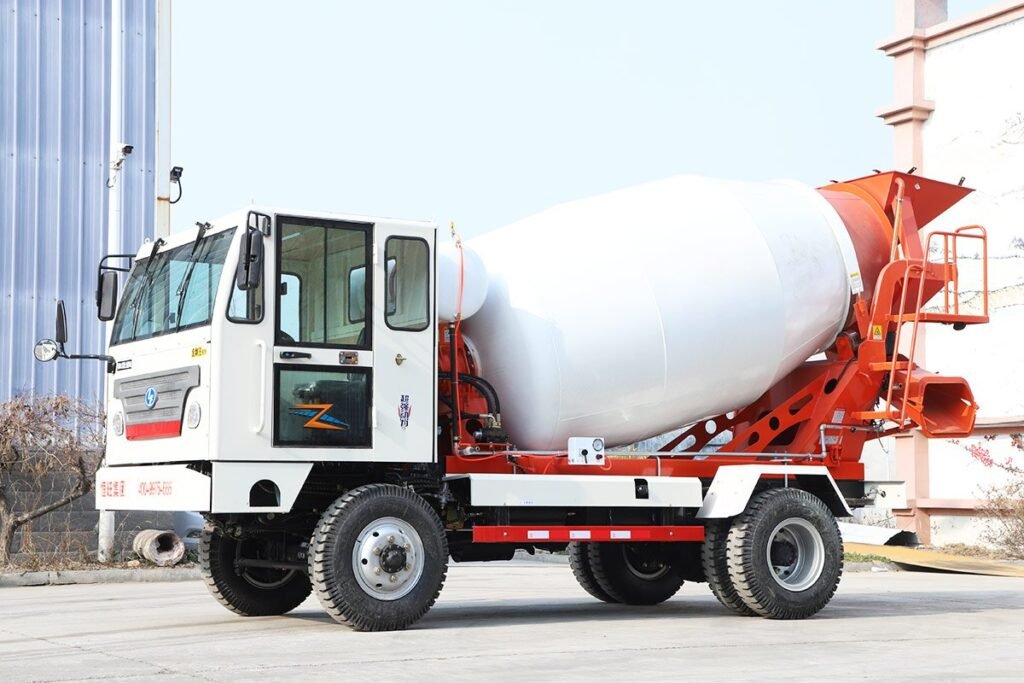
When evaluating a mixer, the chassis and drum design are non-negotiable elements. You must match the truck’s capacity—typically ranging from 3 to 14 cubic meters—to your local road weight regulations and project scale.
According to OSHA safety guidelines regarding construction vehicles, stability on uneven terrain is paramount. Therefore, I always recommend prioritizing a chassis with a low center of gravity. This design choice significantly reduces rollover risks when the drum is fully loaded and rotating.
The drum material itself dictates the lifespan of the unit. Look for high-strength, wear-resistant steel. The blade design inside the drum is equally important. Advanced logarithmic spiral blades ensure faster discharge rates and lower residual rates of concrete. This directly affects your turnaround time on the job site.
Navigating Concrete Mixer Truck Brands and China’s Role
The market has shifted significantly over the last decade. While European and American brands historically dominated, concrete mixer truck brands from Asia have closed the quality gap.
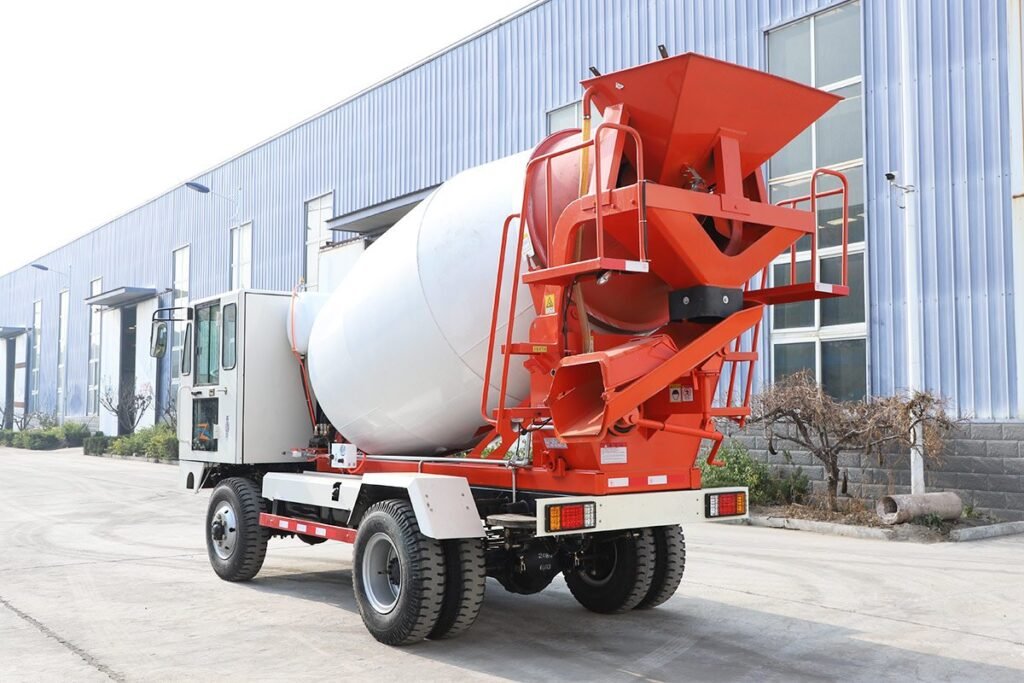
China has become a manufacturing hub for construction machinery. Sourcing a concrete mixer truck China based often provides a competitive price-to-performance ratio. However, the distinction lies in the components used.
Top-tier Chinese manufacturers now integrate global components. You should look for trucks that utilize hydraulic pumps and motors from established international engineering firms. This hybrid approach offers the structural cost benefits of Chinese steel with the reliability of globally serviced hydraulic systems.
Vetting Concrete Mixer Truck Suppliers Effectively
Finding reliable concrete mixer truck suppliers requires more than a simple price comparison. You must validate their quality control processes.
I advise examining the supplier’s adherence to international standards. The International Organization for Standardization (ISO) provides frameworks like ISO 9001 for quality management. A supplier certified under these standards demonstrates a commitment to consistent manufacturing processes.
Furthermore, investigate their after-sales support network. A mixer truck is a high-wear machine. You need a supplier who guarantees parts availability. Ask specific questions about their warranty coverage on critical components like the reducer and hydraulic pump.
Assessing Supplier Capabilities for Your Fleet
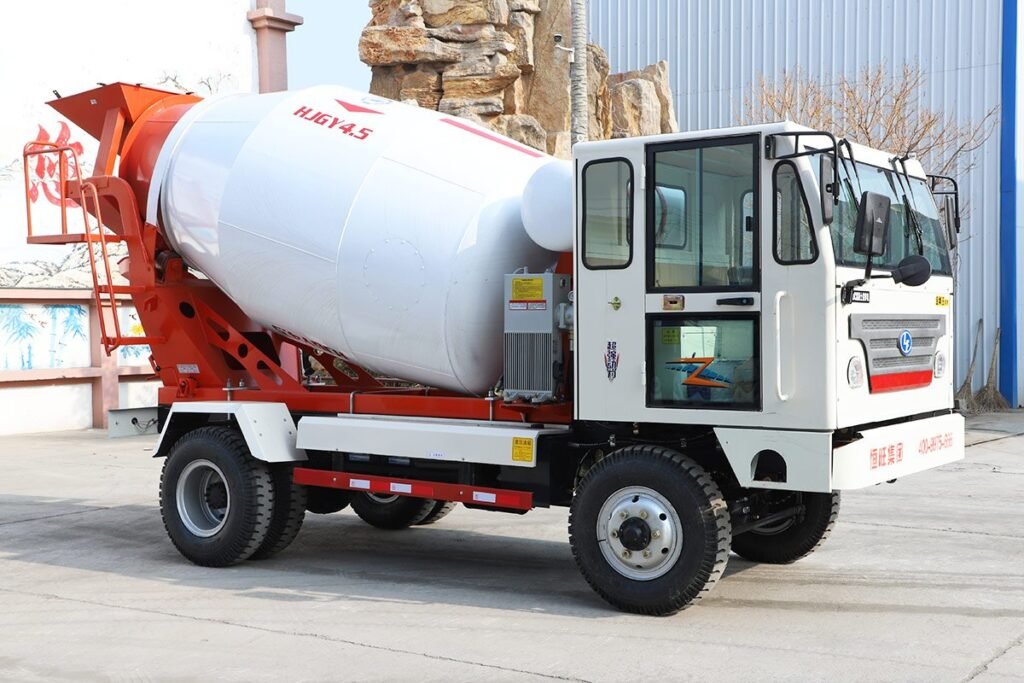
Once you understand the technical requirements, you must evaluate the supplier’s transparency and product range. A credible partner should provide detailed specifications and evidence of rigorous testing.
When browsing potential options, focus on manufacturers that offer clear data on drum speed, water supply modes, and chassis configurations. You need to verify if the machinery adapts to your specific working environment, such as narrow urban roads or rough mining terrain.
Detailed product pages allow you to compare these specific parameters against your project needs. For a closer look at varied configurations and detailed machinery specs, you can explore the options available here: https://hengwangm.com/product-category/concrete-machinery/.
Summary
Selecting the right concrete mixer truck involves balancing technical specs with supplier reliability. By focusing on chassis stability, blade technology, and verified components, you ensure long-term value. Whether sourcing locally or from China, always demand transparency regarding manufacturing standards and aftermarket support.
FAQ
Q1. What is the ideal drum capacity for general construction?
For most urban and general construction projects, an 8 to 10 cubic meter capacity offers the best balance between efficiency and road weight compliance.
Q2. Are Chinese concrete mixer truck brands reliable?
Yes, leading Chinese brands that utilize high-strength steel and international hydraulic components offer excellent reliability and value.
Q3. How do I verify a supplier’s quality claims?
Request their ISO certifications and ask for video evidence of their testing procedures or references from previous international clients.
Q4. What is the standard discharge speed I should look for?
A competitive industrial mixer should achieve a discharge speed of at least 2 to 3 cubic meters per minute to maintain workflow efficiency.
Q5. Why is the hydraulic system critical in a mixer truck?
The hydraulic system drives the drum’s rotation; if it fails, the concrete will cure inside the drum, causing catastrophic equipment damage.
Reference Sources
Occupational Safety and Health Administration (OSHA)
Construction Industry Regulations (29 CFR)
https://www.osha.gov/
National Ready Mixed Concrete Association (NRMCA)
Concrete Operations and Maintenance Guide
https://www.nrmca.org/