As a procurement specialist in the heavy machinery sector, I know that selecting the right equipment is never a guessing game. You are likely searching for a telescopic loader because you need a machine that bridges the gap between a forklift and a crane. The challenge lies in balancing lifting capacity, reach, and budget without compromising on durability.
B2B buyers often face a market saturated with varying specifications and vague performance promises. In this guide, I will break down the critical metrics you must verify. My goal is to help you conduct a commercial investigation that leads to a high-ROI decision for your construction or agricultural site.
Defining Performance: Lift Capacity vs. Reach
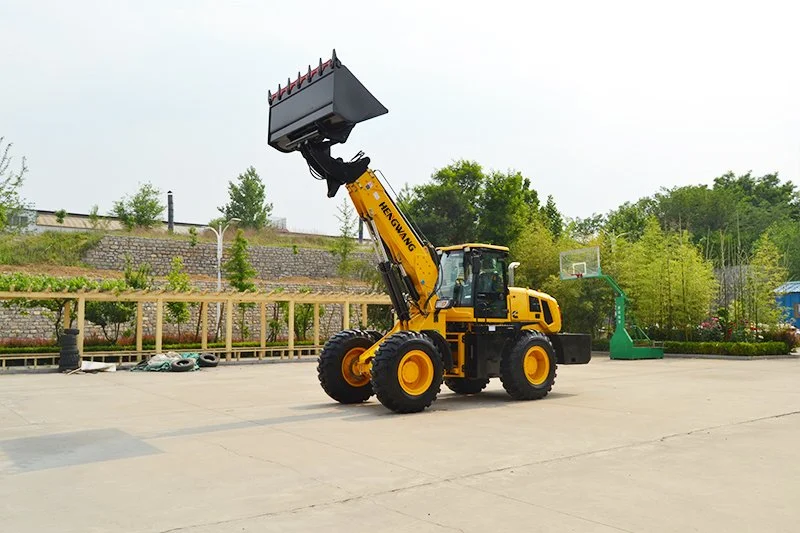
The most common mistake I see buyers make is looking at maximum numbers in isolation. A telescopic loader might boast a 3.5-ton lift capacity and a 7-meter reach. However, it rarely achieves both simultaneously. You must analyze the “load chart” before anything else.
The load chart dictates the machine’s stability. As the boom extends forward, the lifting capacity decreases significantly. For professional applications, you must calculate your heaviest load at your required maximum reach. If a machine cannot handle your pallet weight at full extension, the maximum lift stat is irrelevant.
Furthermore, consider the hydraulic cycle times. A powerful engine is useless if the hydraulic flow is slow. Fast boom extension and retraction are vital for maintaining high cycle speeds on a busy job site. Efficient hydraulics directly translate to more tons moved per hour.
Assessing a Telescopic Loader Manufacturer in China
The global supply chain has shifted, and sourcing a china telescopic wheel loader is now a standard strategy for cost-efficient fleet management. The stigma of lower quality is fading, provided you know how to vet the manufacturer. The key is to look beyond the assembly and examine the component sourcing.
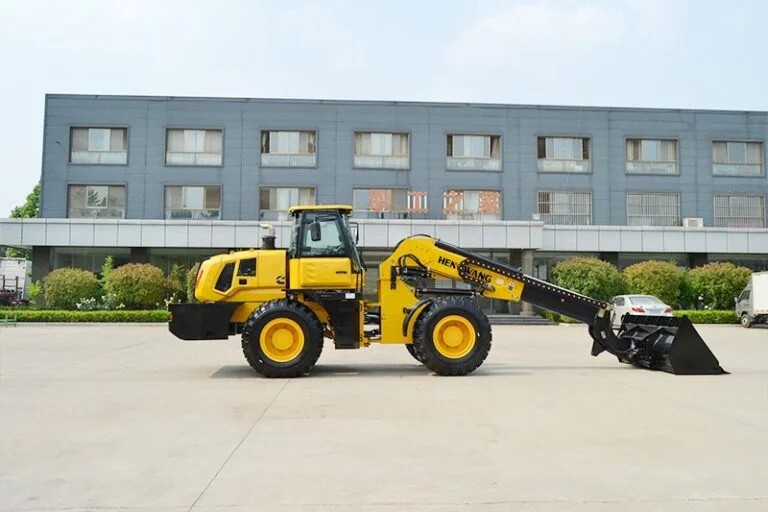
A reliable telescopic loader manufacturer in china will often use globally recognized components. You should verify the engine brand and the hydraulic pump specifications. These are the heart and muscle of the machine. If a manufacturer uses standardized parts, your long-term maintenance costs drop because replacements are easier to source locally.
Additionally, inspect the chassis construction. Structural integrity is non-negotiable. I recommend asking for details on the steel grade and welding processes used. A robust frame ensures the loader can withstand the twisting forces exerted when lifting heavy loads on uneven terrain.
Versatility Factors When Looking for a Telescopic Loader for Sale
When investigating a telescopic loader for sale, you are paying for versatility. Unlike a standard wheel loader, a telescopic unit should serve multiple functions. This capability depends entirely on the auxiliary hydraulic system and the quick-hitch mechanism.
You need to verify the flow rate of the auxiliary lines. High-flow hydraulics allow you to run demanding attachments like silage forks, sweepers, or grapple buckets. If the flow rate is too low, the attachment will stall under load.
Ease of attachment changes significantly impacts daily productivity. A hydraulic quick-hitch system allows operators to switch tools without leaving the cab. For a B2B operation, this reduces downtime between tasks. When comparing models, prioritize machines that offer this flexibility as a standard or accessible option.
Benchmarking Mid-Range Capacity Models
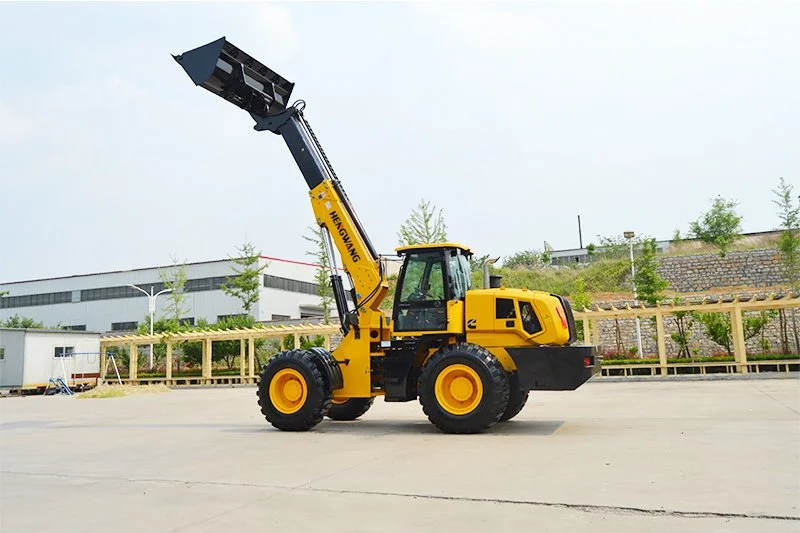
Choosing the specific model for your fleet requires matching the machine’s sweet spot to your daily tasks. This is where you move from general research to specific product validation. You need to determine if a specific loader fits your operational “weight class.”
For many agricultural and construction sites, the 3.5-ton capacity range is the industry standard. It offers enough power for heavy lifting while remaining compact enough for tight spaces. Reliability in this class depends on the integration of the powertrain and the structural design.
If you are currently evaluating 3.5-ton options, it is helpful to review detailed specifications of established models. Comparing your requirements against the specs of the HW3500 Telescopic Loader can provide a clear baseline for what a modern, efficient machine should offer. This comparison helps you judge whether a machine delivers the necessary reach and power for your specific site conditions.
Summary
Selecting the right telescopic loader requires a strict focus on load charts, hydraulic efficiency, and component quality. Whether you are considering a china telescopic wheel loader or a domestic brand, the structural integrity and attachment versatility determine the true value. Always verify the lift-at-reach metrics to ensure the machine meets your site’s specific demands.
FAQ
Q1: What is the main advantage of a telescopic loader over a forklift?
A telescopic loader offers forward reach and rough-terrain capability, whereas a forklift is limited to vertical lifting on flat surfaces.
Q2: Are Chinese telescopic loaders reliable for commercial use?
Yes, a telescopic loader manufacturer in china using standardized engines and high-grade steel provides reliable equipment comparable to Western brands at a competitive price.
Q3: How do I determine the right size loader for my project?
Calculate the maximum weight you need to lift and the distance you need to extend that load; choose a model where these two points intersect safely on the load chart.
Q4: What maintenance is most critical for these machines?
Regularly checking hydraulic hoses for leaks and greasing the boom wear pads are the most critical maintenance tasks to prevent failure.
Reference Sources
Occupational Safety and Health Administration (OSHA)
https://www.osha.gov/powered-industrial-trucks
ISO Standards (ISO 10896-1:2012 – Rough-terrain trucks)
https://www.iso.org/standard/54955.html
Association of Equipment Manufacturers (AEM)
https://www.aem.org/news/telehandlers-101-what-to-know-about-these-versatile-machines