The realm of heavy construction, mining, and large-scale infrastructure development is entirely reliant on powerful, specialized equipment designed to manipulate the very landscape of our planet. Among these formidable machines, the Bulldozer stands out as arguably the most fundamental and indispensable piece of earthmoving equipment. It is not merely a tractor with a blade attached; it is a meticulously engineered system of power, traction, and control built for shaping the earth. For professionals in the engineering and construction sectors, understanding the profound capabilities and strategic application of different Bulldozer models is crucial for project efficiency, safety, and profitability. This article delves into the core identity of the Bulldozer, highlighting its essential features and varied applications, particularly for those who operate and rely on these heavy-duty machines daily.
The Defining Characteristics and Core Functions of the Bulldozer
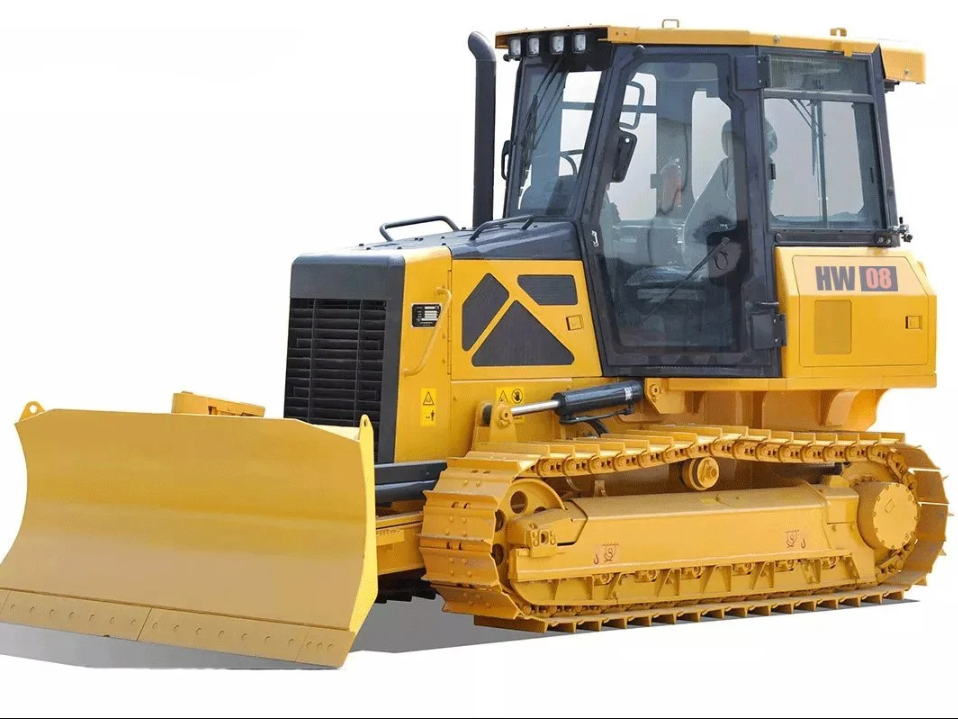
A Bulldozer is fundamentally designed to move substantial quantities of soil, sand, rubble, or other materials across short distances. This task is accomplished through its primary tool: a heavy metal blade attached to the front. While the basic function remains constant, the mechanical prowess enabling this operation is complex.
Power and Drivetrain: A defining feature of any substantial Bulldozer is its massive engine, engineered to deliver high torque at low speeds. This immense power is necessary to overcome the significant resistance encountered when pushing large volumes of earth. Traditionally, Bulldozers are categorized primarily by their track type—either wheeled or, far more commonly, track-type (crawler). The track system is a masterpiece of engineering, designed to maximize ground contact area, which significantly reduces ground pressure and thereby enhances traction. Consequently, this superior traction allows the Bulldozer to operate effectively on unstable, soft, or steeply graded terrain where wheeled vehicles would struggle.
The Versatile Blade: The blade is the heart of the machine’s earthmoving capability, and its design dictates the Bulldozer’s specific role. For instance, an S-Blade (Straight Blade) is short and lacks side wings, making it ideal for fine grading and ditching. Conversely, a U-Blade (Universal Blade) is long, highly curved, and has large side wings, allowing it to “cradle” the material and push significantly larger volumes over longer distances—a feature heavily utilized in reclamation and stock-piling work. Furthermore, the ability of modern Bulldozer blades to be hydraulically tilted and angled is essential for creating slopes, cutting ditches, and performing lateral material movement.
Ripper Attachment: Often located at the rear of the machine is the ripper, a crucial tool for breaking up hard ground, rock, or other dense materials that the blade alone cannot penetrate. This attachment transforms the Bulldozer from a mere pusher into a preparatory machine capable of conditioning the terrain before excavation or grading can commence.
In-Depth Application: The Bulldozer in Engineering and Construction
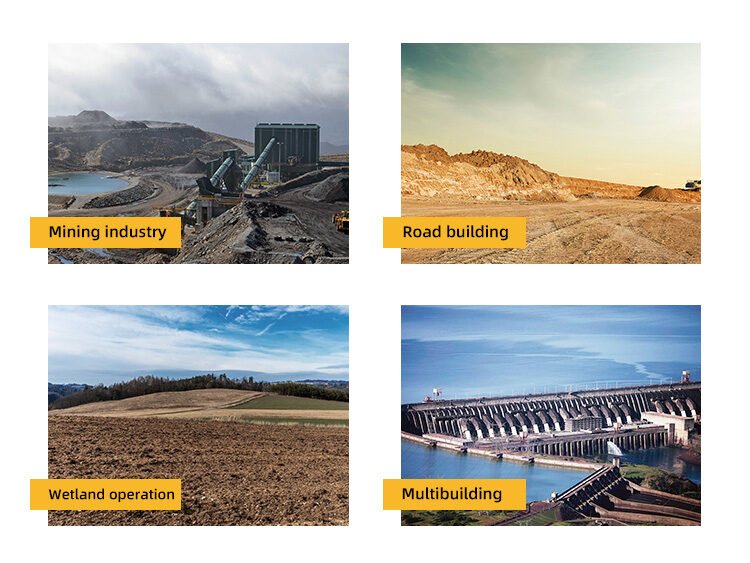
The Bulldozer’s strength and versatility ensure its presence at the foundational stage of almost every major engineering project. Its application spans diverse sectors, each relying on the machine’s specialized ability to manipulate the environment.
Site Preparation and Land Clearing
Before any structure, road, or mine can be developed, the site must be prepared. This initial phase is heavily dependent on the Bulldozer. Land clearing involves removing vegetation, debris, and topsoil—a task for which the machine’s power is perfectly suited. It effectively shears off shallow tree roots and levels the ground, providing a clean, stable base for subsequent equipment. In many projects, a fleet of Bulldozers will work in tandem, creating pathways and staging areas with remarkable speed.
Road Construction and Embankment Work
The creation of new highways and access roads necessitates significant earthwork. Bulldozers are used extensively for the cut-and-fill process. In this procedure, material is cut (excavated) from one area—often a hill—and then transported and filled into a lower area, such as a valley or ravine, to create a level, stable roadbed. The precision grading capabilities, particularly of smaller models equipped with GPS-guided technology, ensure that slopes and elevations meet exacting engineering specifications. This level of accuracy is paramount for proper drainage and long-term structural integrity.
Mining and Quarry Operations
In the rugged environment of mining, the Bulldozer is a workhorse that operates continuously. It plays a critical role in clearing overburden—the soil and rock covering valuable mineral deposits. Furthermore, large crawler Bulldozers are used to maintain haul roads, ensuring they remain level and safe for massive dump trucks, and for pushing material towards conveyors or crushers. The ability to endure heavy, sustained impacts and operate in dusty, abrasive conditions makes the modern Bulldozer an invaluable asset in extraction industries.
Waste Management and Landfills
Surprisingly, the Bulldozer is also essential in the management of solid waste. In landfill operations, specialized landfill Bulldozers are equipped with protective guarding and specific blades to spread and compact waste materials. The wide tracks of the machine distribute its weight effectively, maximizing the compaction of trash, which is a key factor in extending the operational life of a landfill cell.
Selecting the Right Powerhouse: Key Considerations for Users
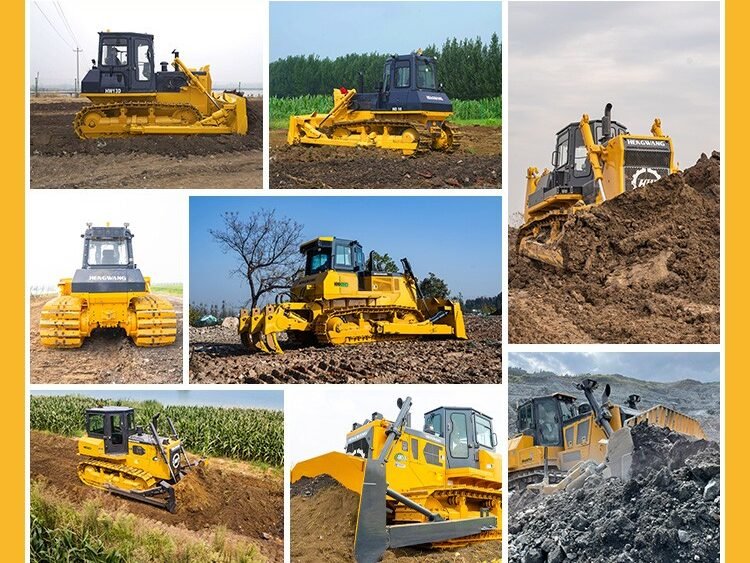
For engineering and construction firms, the choice of Bulldozer model directly impacts project timelines and operating costs. Several factors must be carefully weighed before investment.
Size and Horsepower Matching: The scale of the work dictates the required machine size. Small, maneuverable Bulldozers (often under 100 horsepower) are ideal for residential construction, finish grading, and confined sites. Conversely, massive machines, such as those exceeding 850 horsepower, are reserved for the heaviest applications like large-scale mining and dam construction. Matching the Bulldozer’s horsepower to the resistance of the material being moved is essential for fuel efficiency and machine longevity.
Transmission Type: Modern Bulldozers typically feature either a hydrostatic or a powershift transmission. Hydrostatic transmissions offer infinite speed variations and excellent maneuverability, making them highly favored for precision grading and dozing. Powershift transmissions, while robust, are generally preferred for heavy ripping and long-distance pushing where high, consistent drawbar pull is required.
Maintenance and Durability: Given the harsh environments these machines inhabit, durability is a non-negotiable trait. Operators and procurement teams prioritize machines built with robust undercarriages—the components that bear the most stress. Ease of access for routine maintenance, such as oil changes and filter replacements, is also a significant factor that contributes to machine uptime and overall operational cost.
In conclusion, the Bulldozer remains the undisputed heavyweight champion of the earthmoving world. Its combination of raw power, exceptional traction, and versatile attachments ensures that any major project—from a highway to a high-rise foundation—will commence with the powerful push of this quintessential machine. Its continuous evolution, incorporating advanced GPS and telematics, solidifies the Bulldozer’s role not just as a piece of heavy equipment, but as a sophisticated tool for engineering the future landscape.
Frequently Asked Questions (FAQ)
What is the primary difference between a wheeled and a track-type Bulldozer?
The primary difference lies in the operating surface and traction. Track-type Bulldozers (crawlers) offer superior traction and stability on soft, uneven, or steep terrain because the tracks distribute the machine’s weight over a larger area. Wheeled Bulldozers are faster and more maneuverable on flat, stable surfaces, making them suitable for tasks requiring quick material dispersal and movement across a site, though they lack the pushing power of their tracked counterparts in difficult ground conditions.
What does the term “drawbar pull” mean in relation to a Bulldozer?
Drawbar pull is the maximum horizontal force a Bulldozer can exert at the hitch point. It is a critical metric that indicates the machine’s ability to pull or push a load. A high drawbar pull signifies a more powerful machine, directly correlating to its ability to move heavier loads of earth or penetrate harder materials with the blade or ripper. It is significantly influenced by the machine’s weight, engine power, and the coefficient of friction provided by the undercarriage (tracks or tires).
How often should the undercarriage of a crawler Bulldozer be inspected?
The undercarriage is the most expensive component to maintain on a track-type Bulldozer, and it wears down continuously. It should be inspected daily for severe damage or excessive buildup. A thorough inspection, including measuring track tension and component wear, should be performed at least weekly or every 50 operating hours. Proper undercarriage maintenance is crucial for preventing catastrophic failures and minimizing the total cost of ownership.