As a procurement manager or contractor, selecting the right heavy machinery is critical for project profitability. You are likely evaluating whether the mobility of a wheel excavator justifies the investment over traditional crawler models. This equipment category has evolved significantly. It now offers a strategic advantage in urban settings where pavement protection and speed are paramount. I will analyze the mechanics, market data, and selection criteria to help you make an informed decision.
Distinguishing the Giants: How Does a Bucket Wheel Excavator Work?
To understand the industry spectrum, we must first address a common terminology confusion in the heavy equipment sector. While often searched alongside standard utility machines, the “bucket wheel” variant is a distinct beast.
According to Encyclopedia Britannica, a bucket wheel excavator (BWE) operates using a massive, rotating wheel fitted with a series of scoops or buckets. As the wheel turns, these buckets continuously dig into the earth. The material is then discharged onto a conveyor belt system for transport.
What are bucket wheel excavators used for?
These machines are strictly employed in large-scale open-pit mining operations. They are designed for continuous overburden removal, not construction.
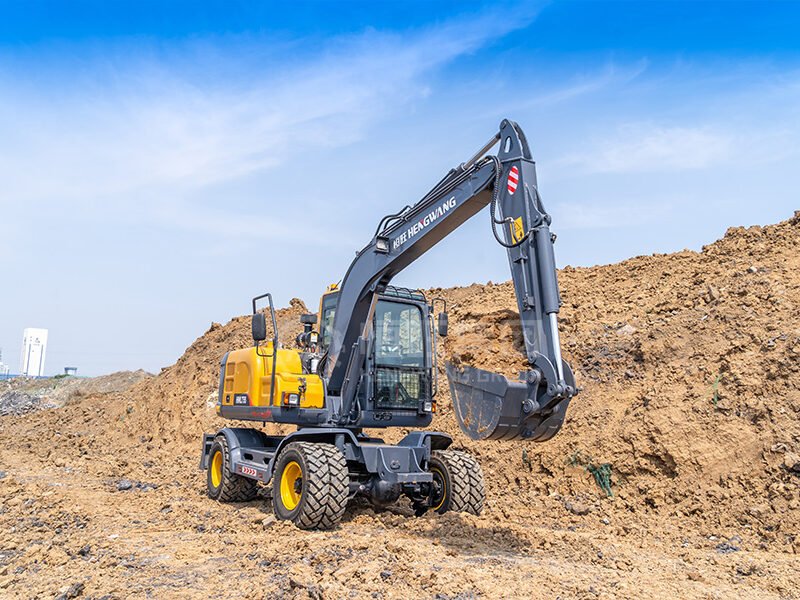
For the general wheeled excavator market, however, the focus shifts to standard hydraulic excavators mounted on rubber tires. These are the versatile machines used for roadwork, utilities, and urban construction. Unlike the BWE, standard wheel excavators rely on intermittent digging cycles using a boom, arm, and single bucket. This distinction is vital for B-end buyers to ensure they are sourcing the correct equipment class.
The Strategic Edge of Wheeled Mobility
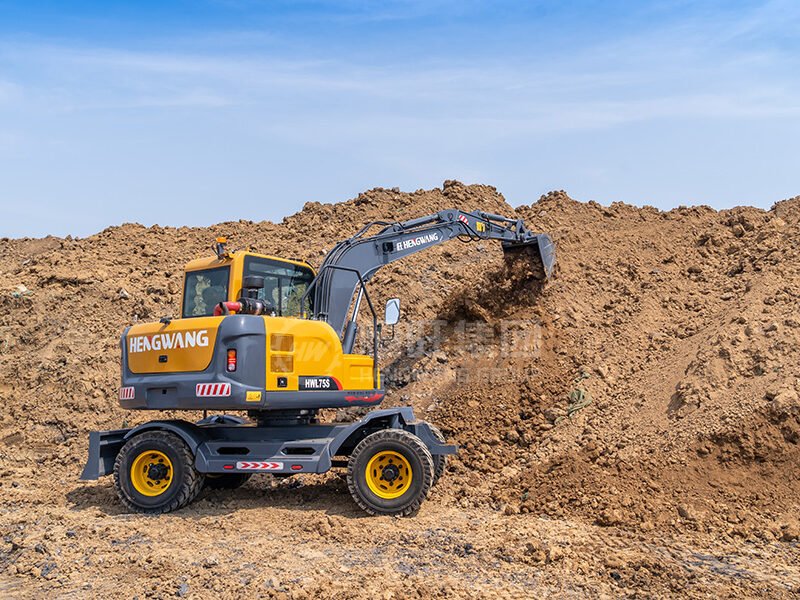
When I compare equipment types, the primary differentiator is undercarriage mechanics. ISO 6165 standards define the specific classifications for earth-moving machinery, distinguishing between track and wheel propulsion.
A wheel excavator offers one distinct advantage: mobility. Crawler excavators require a low-loader trailer to move between sites. This incurs additional logistics costs and downtime. In contrast, a wheeled machine can travel independently on public roads at speeds up to 30–40 km/h.
This mobility translates to:
- Reduced Logistics Costs: No need for a separate transport truck for short distances.
- Pavement Preservation: Rubber tires do not damage asphalt or concrete surfaces.
- Versatility: Ideal for roadside mowing, barrier installation, and utility repair.
If your projects involve multiple sites within a small geographic radius, the operational savings can be substantial.
Analyzing the Wheeled Excavator Market
The global wheeled excavator market is witnessing a specific shift in demand. According to recent industry analysis, the push towards urbanization is the primary driver.
In the past, crawler excavators dominated due to their superior stability on loose soil. However, as infrastructure projects move into dense city centers, the footprint of the machine matters. Municipalities are increasingly favoring equipment that minimizes traffic disruption and road damage.
Key Market Trends:
- Compact Designs: Manufacturers are reducing tail swing radii to allow work in single lanes.
- Attachment Versatility: The market values machines that function as tool carriers (hammers, grapples, augers).
- Regional Growth: The Asia-Pacific and European sectors show the highest adoption rates for wheeled variants due to road network density.
For B-end users, this trend suggests that resale value for modern, efficient wheeled units will remain robust. Investing in this category aligns with the future direction of urban infrastructure development.
How to Select the Right Machine for Your Fleet
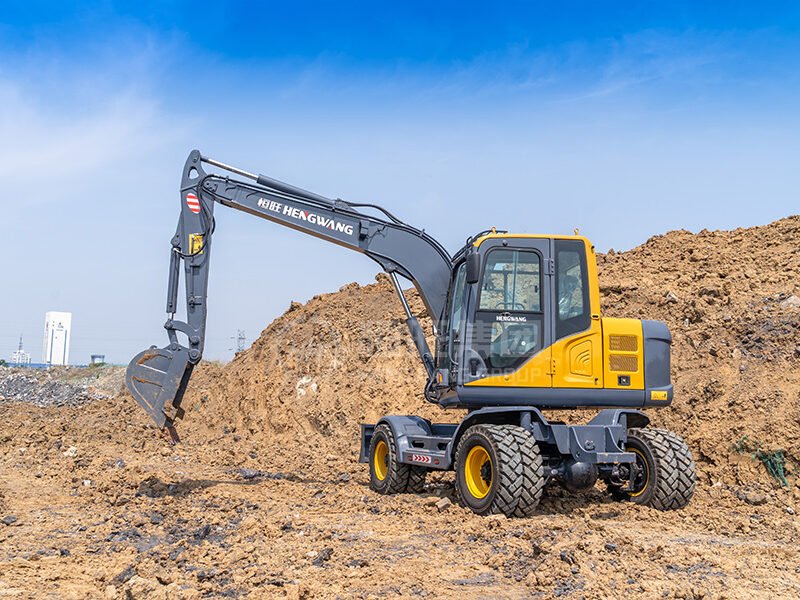
Choosing a wheel excavator requires a different evaluation matrix than selecting a crawler. Stability is the primary concern. Since tires compress, the machine relies heavily on stabilizers (outriggers) and dozer blades.
Critical Selection Criteria:
- Operating Weight vs. Engine Power:
You must balance the weight needed for lifting capacity against the engine’s fuel efficiency. A 7-to-8-ton machine often provides the sweet spot for urban utility work. It is heavy enough to remain stable but light enough to maneuver easily. - Hydraulic Performance:
Look for load-sensing hydraulic systems. These systems adjust flow based on demand. This ensures that the engine only burns fuel when necessary, lowering long-term operating costs. - Undercarriage Configuration:
Ensure the machine includes both a dozer blade and outriggers. This combination provides the necessary four-point stability when digging at maximum reach.
When assessing your specific needs, consider the HWL75S Wheel Excavator. This model class typically bridges the gap between mini-excavators and heavy mainline diggers. It offers the necessary hydraulic flow for diverse attachments while maintaining the road-legal mobility that defines this category.
Proper evaluation involves checking the digging depth and dump height against your most frequent job requirements. Ensure the cabin offers high visibility, as wheeled machines often operate in high-traffic zones.
Summary
The wheel excavator represents a strategic asset for contractors focused on urban infrastructure and multi-site operations. While distinct from the massive mining-focused bucket wheel excavators, these rubber-tired machines offer unmatched mobility and reduced logistical overhead. By aligning your procurement choice with current wheeled excavator market trends—specifically focusing on stability and hydraulic efficiency—you position your fleet for higher utilization rates and profitability.
FAQ
Q1: What is the main disadvantage of a wheel excavator compared to a crawler?
The main disadvantage is stability on soft or uneven terrain. Tires have a higher ground pressure than tracks, making them prone to sinking in mud.
Q2: Can a wheel excavator operate without outriggers?
It can drive and perform light work without them, but for heavy digging or lifting, deploying outriggers or the dozer blade is essential for safety.
Q3: How fast can a standard wheel excavator travel?
Most modern wheel excavators can travel at speeds between 30 km/h and 40 km/h, allowing them to move between nearby job sites independently.
Q4: Are wheel excavators more expensive to maintain?
Tires and axles can be more expensive to maintain than undercarriages in rough terrain, but they save money on track wear when used primarily on hard surfaces.
Q5: Do wheel excavators require a special license to drive on roads?
Yes, in most jurisdictions, operating a wheel excavator on public roads requires a specific driver’s license or heavy equipment endorsement.
Reference Sources
Encyclopedia Britannica – Bucket Wheel Excavator
https://www.britannica.com
Volvo Construction Equipment – Wheeled Excavators vs. Crawler Excavators
https://www.volvoce.com
Grand View Research – Construction Equipment Market Size, Share & Trends Analysis Report
https://www.grandviewresearch.com