Selecting the right equipment can determine the success of your construction or landscaping job. A mini excavator offers the power of larger machines in a compact frame. This versatility makes them ideal for tight spaces and delicate environments. Knowing how to choose mini excavator models requires balancing power, size, and cost.
Many operators prefer these machines because they cause less ground damage. They are also easier to transport between different job sites. Choosing the wrong size can lead to delays or increased operational costs. Therefore, you must evaluate your specific project requirements before making a purchase.
This guide will walk you through the essential technical specifications. You will learn how to match machine capabilities with your work environment. By the end, you will have a clear strategy for selecting the most efficient equipment.
Key Technical Specs for Mini Excavator Selection
The most critical factor is the operating weight of the machine. Mini excavators typically range from 1 to 10 tons in size. A 1-ton machine is perfect for indoor demolition or backyard trenching. Larger 5-ton units handle heavier lifting and deeper excavation tasks.
Digging depth is another vital metric for your decision. You must ensure the machine can reach the required depth for utility lines. Most compact units offer digging depths between 1.5 and 4 meters. Selecting a machine with a 10% depth buffer ensures operational safety.
Bucket breakout force indicates how much power the machine applies to the ground. This force is measured in kilonewtons (kN) or pounds. Higher breakout force allows the excavator to cut through hard clay or rocky soil. Below is a comparison of common mini excavator classes:
| Excavator Class | Operating Weight | Digging Depth | Ideal Use Case |
| Micro (1-2 Tons) | 1,000 – 2,000 kg | 1.5 – 2.2 meters | Landscaping & Indoor Work |
| Mini (3-5 Tons) | 3,000 – 5,000 kg | 3.0 – 3.8 meters | Utility Trenching & Foundations |
| Midi (6-10 Tons) | 6,000 – 10,000 kg | 4.0 – 4.8 meters | Commercial Construction |
How to Choose Mini Excavator Models Based on Site Conditions
Site access is often the primary constraint for compact equipment. You must measure the narrowest entry point on your job site. Some micro excavators feature retractable tracks to fit through standard doorways. Always verify the transport width before finalizing your machine choice.
Tail swing is another crucial consideration for confined spaces. Zero-tail-swing models allow the cab to rotate within the track width. This feature prevents the machine from hitting walls or trees during operation. It significantly reduces the risk of accidental damage in urban environments.
Consider the surface where the machine will operate. Rubber tracks are standard for most mini excavators today. They protect finished surfaces like asphalt, pavers, or manicured lawns. Steel tracks are better for demolition sites with sharp debris or heavy rocks.
Evaluating Engine Power and Hydraulic Performance
Engine horsepower determines how quickly the machine can complete cycles. Most mini excavators utilize diesel engines ranging from 7 kW to 40 kW. Higher horsepower improves travel speed and hydraulic flow rates. However, larger engines also consume more fuel per hour.
Hydraulic flow is what actually powers your attachments and movements. If you plan to use an auger or a breaker, check the auxiliary flow. Ensure the machine provides enough liters per minute (LPM) for your tools. Insufficient flow will cause attachments to perform poorly or stall.
Look for engines that meet modern emission standards like Euro 5 or EPA Tier 4. These engines are quieter and more environmentally friendly. They are often required for government contracts or indoor projects. Efficient engines also lower your long-term maintenance and fuel expenses.
Maximizing Versatility with Attachments and Features
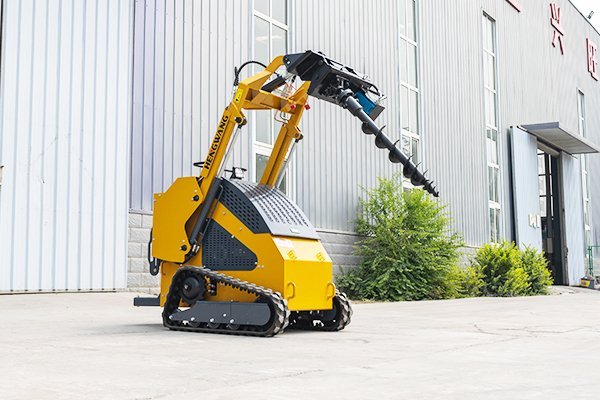
A mini excavator is more than just a digging tool. The right attachments turn it into a multi-purpose workhorse. Common options include buckets, hydraulic thumbs, augers, and grading blades. A hydraulic thumb is essential for picking up rocks or debris.
Quick-coupler systems allow operators to switch tools in minutes. This increases productivity by reducing downtime between different tasks. Ensure the machine you choose is compatible with standard industry attachments. This flexibility makes the equipment much more valuable over its lifespan.
Consider the operator’s comfort and safety features. A ROPS (Roll-Over Protective Structure) is mandatory for safe operation. Enclosed cabs with air conditioning improve productivity in extreme weather. Ergonomic controls reduce operator fatigue during long shifts.
Matching the HW-12 to Your Project Requirements
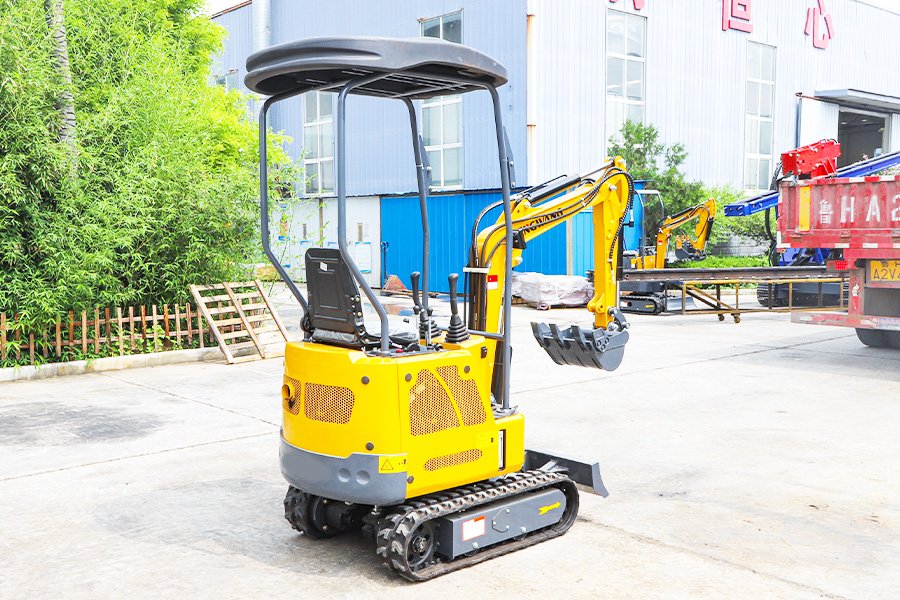
When deciding how to choose mini excavator equipment for small-scale tasks, the HW-12 Mini Excavator serves as an excellent benchmark. This 1-ton class machine is designed specifically for high-efficiency work in restricted spaces. Its compact width of 940mm allows it to navigate through narrow garden gates or greenhouse aisles.

The HW-12 features a KOOP 192F diesel engine providing 7.0 kW of power. This engine meets international standards, ensuring reliable performance across different regions. With a digging depth of 1580mm, it is perfectly suited for landscaping and small utility installations. The 0.02 m³ bucket capacity balances precision with material handling capability.
Choosing this specific model is ideal if your project involves indoor demolition or orchard maintenance. Its lightweight design allows for easy transport on a standard utility trailer. By focusing on these specific specs, you can determine if a 1-ton unit fits your workload. This machine represents the “micro” class that prioritizes accessibility and ease of use.
Summary
To master how to choose mini excavator models, you must match machine specs to job site constraints. Focus on operating weight, digging depth, and tail-swing requirements. Ensure the engine power and hydraulic flow support your intended attachments. Selecting the right compact machine maximizes efficiency while minimizing total project costs.
FAQ
What is the most popular size for a mini excavator?
The 1-ton to 3-ton range is most popular because these machines are easy to transport and fit into residential backyards.
How deep can a 1-ton mini excavator dig?
A typical 1-ton machine can dig approximately 1.5 to 1.7 meters deep, which is sufficient for most garden utilities and small footings.
Can I use a mini excavator for indoor demolition?
Yes, mini excavators with electric or low-emission diesel engines and compact widths are frequently used for breaking concrete inside buildings.
Should I choose rubber or steel tracks?
You should choose rubber tracks for landscaping and urban work to prevent surface damage, while steel tracks are best for rugged, rocky terrain.
Reference Sources
Association of Equipment Manufacturers (AEM)
https://www.aem.org/
Ritchie Bros. Asset Solutions
https://www.rbassetsolutions.com/
EquipmentWatch (Data & Insights)
https://equipmentwatch.com/