Choosing the right heavy equipment determines the success of any construction or earthmoving project. Many operators struggle when deciding between a wheeled vs crawler excavator for their specific site conditions. Both machines offer distinct advantages in mobility, stability, and digging power. Understanding these differences ensures you maximize productivity while minimizing operational costs.
Key Differences Between Wheeled and Crawler Excavators
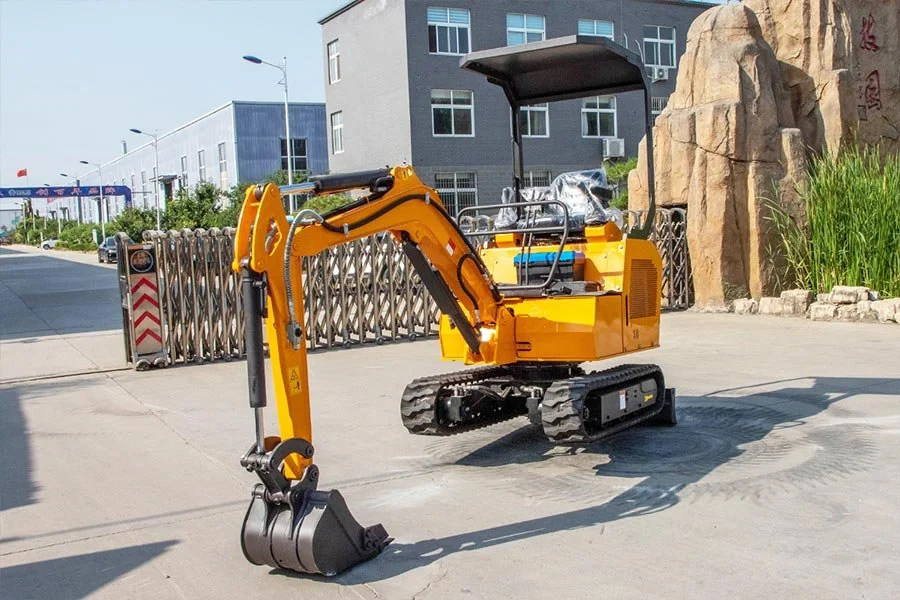
The primary distinction between these two machines lies in their undercarriage and how they interact with the ground. Crawler excavators move on continuous tracks, which provide exceptional grip and weight distribution. In contrast, wheeled models use rubber tires that allow for high-speed travel on paved surfaces. This fundamental design choice affects everything from transport logistics to surface damage.
Mobility is the most significant factor for many urban contractors. A wheeled excavator can reach speeds of up to 30 km/h, allowing it to travel between job sites without a trailer. Crawler machines are much slower, typically topping out at 5 km/h. Because they require a low-boy trailer for transport, crawlers involve higher logistical planning and costs for short-distance moves.
| Feature | Crawler Excavator | Wheeled Excavator |
| Top Speed | 3 – 6 km/h | 25 – 40 km/h |
| Ground Pressure | 4 – 6 PSI | 30 – 50 PSI |
| Terrain Type | Mud, Slopes, Soft Soil | Asphalt, Concrete, Flat Hard Ground |
| Stability | High (Low Center of Gravity) | Moderate (Requires Outriggers) |
| Maintenance | High Undercarriage Wear | Lower Tire Replacement Costs |
When to Choose a Wheeled Excavator for Construction
Wheeled models are the preferred choice for utility work and urban infrastructure projects. Their rubber tires are gentle on finished surfaces like asphalt and concrete. This makes them ideal for roadside repairs where minimizing road damage is a priority. You can operate a wheeled unit on a street without the need for protective mats.
Stability in wheeled units is managed through the use of outriggers and dozer blades. When these components are deployed, the machine provides a solid platform for lifting and digging. However, without outriggers, the machine may feel “bouncy” due to the flexibility of the tires. For projects involving frequent repositioning on hard ground, the wheeled version saves significant time.
Fuel efficiency and reduced transport costs are also major benefits. Since you can drive the machine directly to the site, you eliminate the need for a heavy-haul truck. This flexibility is perfect for “stop-and-go” tasks like clearing ditches or installing street lights. Wheeled excavators offer a versatile solution for municipal maintenance and light construction.
Why Crawler Excavators Dominate Heavy-Duty Earthmoving
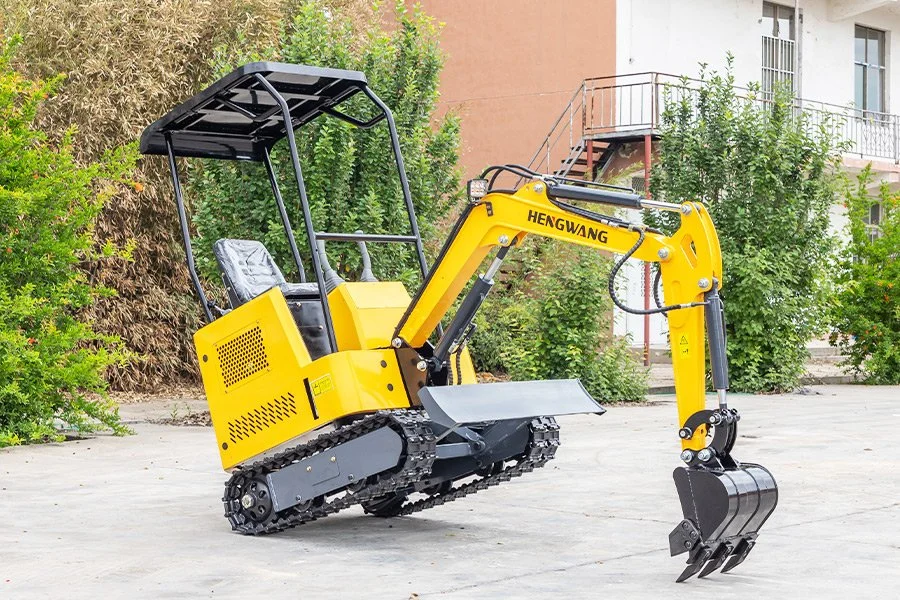
For massive excavation and off-road projects, the crawler remains the industry standard. The tracks provide a large surface area, resulting in very low ground pressure. Most crawlers exert only 4 to 6 PSI on the terrain. This prevents the machine from sinking into soft mud or loose sand where a wheeled machine would get stuck.
Stability is another area where the crawler excels. The heavy undercarriage acts as a natural counterweight, lowering the overall center of gravity. This allows for greater digging depth and higher lifting capacities compared to wheeled counterparts. If your project involves steep slopes or uneven forest floors, the traction provided by steel tracks is irreplaceable.
Durability in harsh environments is a hallmark of the tracked design. Steel tracks are resistant to sharp rocks and abrasive debris that would easily puncture rubber tires. While the undercarriage eventually requires expensive maintenance, it is built to survive the most demanding demolition and mining environments. For maximum breakout force and steady performance, the crawler is the superior choice.
Operational Costs and Maintenance Comparison
Maintenance profiles differ significantly when comparing a wheeled vs crawler excavator. About 50% of a crawler’s lifetime maintenance costs are tied to the undercarriage. Parts like rollers, idlers, and track links wear down through constant friction. Monitoring track tension is essential to prevent premature failure in dusty or rocky conditions.
Wheeled excavators have fewer moving parts in their drive system, but tires are susceptible to damage. While tires are generally cheaper to replace than a full track system, they offer less protection against site debris. A wheeled excavator typically has lower operational costs on paved sites. However, those costs can spike if the machine is used in jagged rock environments.
Productivity data suggests that crawlers are 10-15% more efficient in heavy digging cycles. This is because they do not need to deploy outriggers every time they move a few meters. Conversely, the wheeled excavator reduces total project time by nearly 20% on multi-site urban tasks. Evaluating the balance between digging speed and travel speed is vital for your bottom line.
Choosing the Right Excavator for Your Specific Site Needs
Selecting the right machine requires a deep dive into your project’s environmental constraints. You must first evaluate the weight class required for your lifting tasks. Most manufacturers offer a range from 1-ton mini excavators to 50-ton heavy-duty units. Knowing your maximum reach and lift capacity prevents equipment strain and ensures site safety.
Consider the ground conditions of your most frequent job sites. If you primarily work in new housing developments with unpaved, muddy roads, a crawler is safer. If your work involves landscaping or urban utility repair, a wheeled model prevents costly property damage. Matching the undercarriage to the terrain is the most effective way to protect your investment.
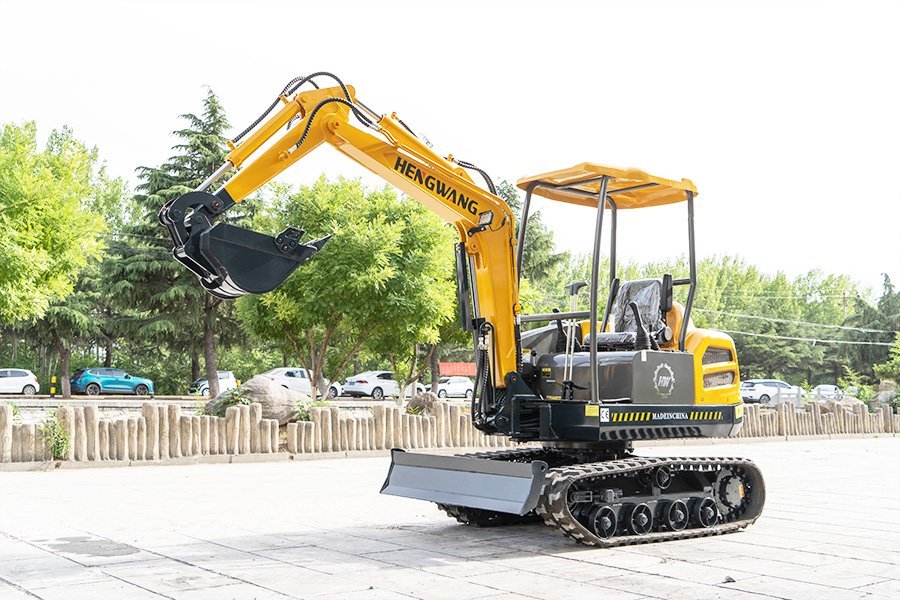
Reviewing technical specifications like hydraulic flow and engine power is the final step. Professional equipment catalogs provide detailed charts on breakout force and swing speed. These metrics help you determine if a machine can handle specific attachments like hydraulic breakers or shears. Choosing a versatile platform allows your business to take on a wider variety of contracts.
Summary
The choice between a wheeled vs crawler excavator depends on mobility needs and ground conditions. Wheeled excavators provide speed and road-friendliness for urban environments. Crawler excavators offer the stability and traction required for heavy-duty, off-road tasks. Assess your typical job site terrain and transport logistics to select the most profitable machine for your fleet.
FAQ
Can a wheeled excavator dig as deep as a crawler?
Yes, many wheeled models have similar digging depths, but they require outriggers for stability at maximum reach.
Are crawler excavators allowed on public roads?
No, crawler excavators with steel tracks will damage asphalt and must be transported via trailer.
Which machine has a higher resale value?
Crawler excavators typically have higher resale value due to their dominance in heavy construction, though well-maintained wheeled units are in high demand for niche urban work.
Do wheeled excavators work well in the mud?
Generally no, as their high ground pressure causes tires to sink, leading to a loss of traction and potential immobilization.
Reference Sources
Association of Equipment Manufacturers (AEM)
https://www.aem.org/
Ritchie Bros. Asset Solutions
https://www.rbasset.com/