Purchasing heavy machinery is a significant capital expenditure that directly impacts your project’s bottom line. When you bypass distributors to seek a factory direct heavy equipment price, you unlock potential savings of 20% to 30%. However, comparing these prices requires more than looking at a bottom-line figure. You must evaluate the technical integration, manufacturing standards, and long-term support structures behind the quote.
At Hengwang, we recognize that a lower initial price can often mask higher operational costs if the machine’s specifications do not align with your site requirements. True value is found at the intersection of high-grade engineering and optimized manufacturing workflows. To make an informed decision, you must dissect the components that constitute a “factory price” and verify the legitimacy of the manufacturer.
Why Technical Specifications Drive Factory Price Variances
When you compare quotes from different manufacturers, the most significant price drivers are the internal components and material grades. For instance, two excavators may look identical but differ by thousands of dollars due to the engine brand or hydraulic pump efficiency. A machine equipped with a Yanmar or Cummins engine will command a higher price than one with a generic domestic engine due to global serviceability and emissions compliance.
The quality of steel and welding techniques also dictates the price. We utilize high-strength manganese steel for our booms and chassis to ensure structural integrity under high stress. A cheaper factory quote often indicates thinner plates or lower-grade alloys, which leads to premature fatigue and cracking. You should always request a detailed component list to ensure you are comparing like-for-like technology.
| Component Category | Standard Configuration | Premium/Export Configuration | Price Impact |
| Engine | Domestic/Non-certified | EPA Tier 4 / Euro Stage V | High |
| Hydraulics | Standard Gear Pumps | Variable Displacement Piston Pumps | Medium |
| Main Valve | Local Brand | Husco / Rexroth / KYB | High |
| Undercarriage | Standard Grade Steel | Reinforced Track Links & Rollers | Medium |
Hidden Costs in Factory Direct Procurement
The factory direct heavy equipment price you see on an initial quote is rarely the final landed cost. As a global manufacturer, we emphasize the importance of calculating the Total Cost of Ownership (TCO). International shipping, import duties, and local compliance certifications can significantly alter the financial feasibility of a purchase.
Logistics management is a critical variable. Some factories provide EXW (Ex Works) pricing, which leaves the burden of inland transport and port handling to you. We often provide CIF (Cost, Insurance, and Freight) or DDP (Delivered Duty Paid) options to give our clients a clearer picture of their final investment. Always clarify which Incoterms are being used during the negotiation phase to avoid unexpected brokerage fees.
How to Verify Manufacturer Legitimacy and Capacity
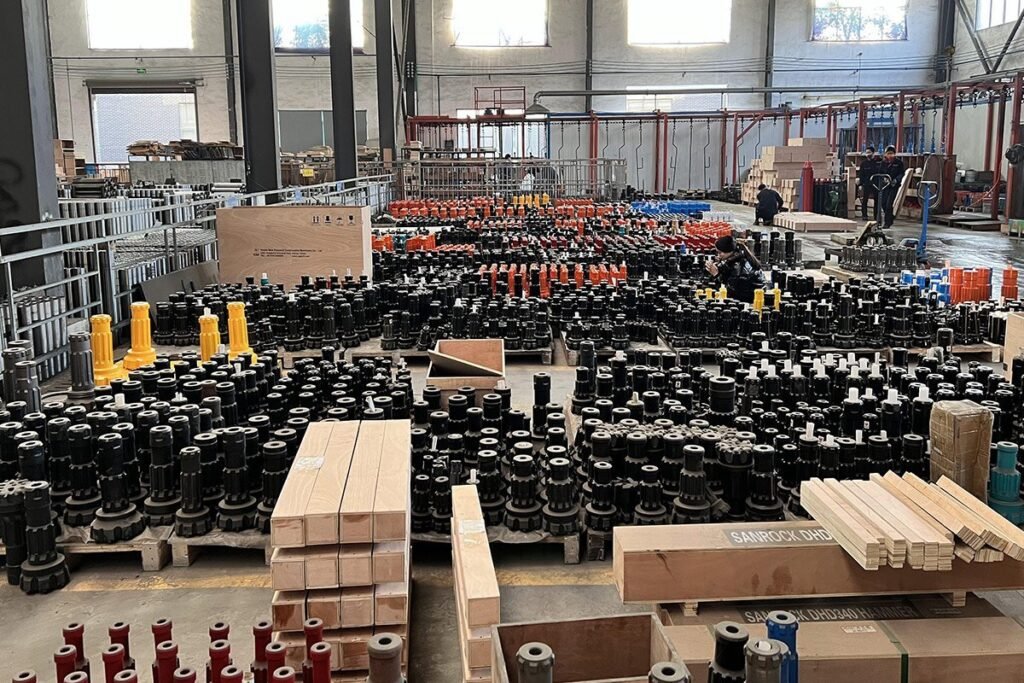
The rise of digital B2B platforms has made it difficult to distinguish between genuine factories and small trading companies. A trading company will often add a markup to a factory’s price while offering less technical accountability. To ensure you are getting a true factory direct heavy equipment price, you must audit the supplier’s manufacturing infrastructure.
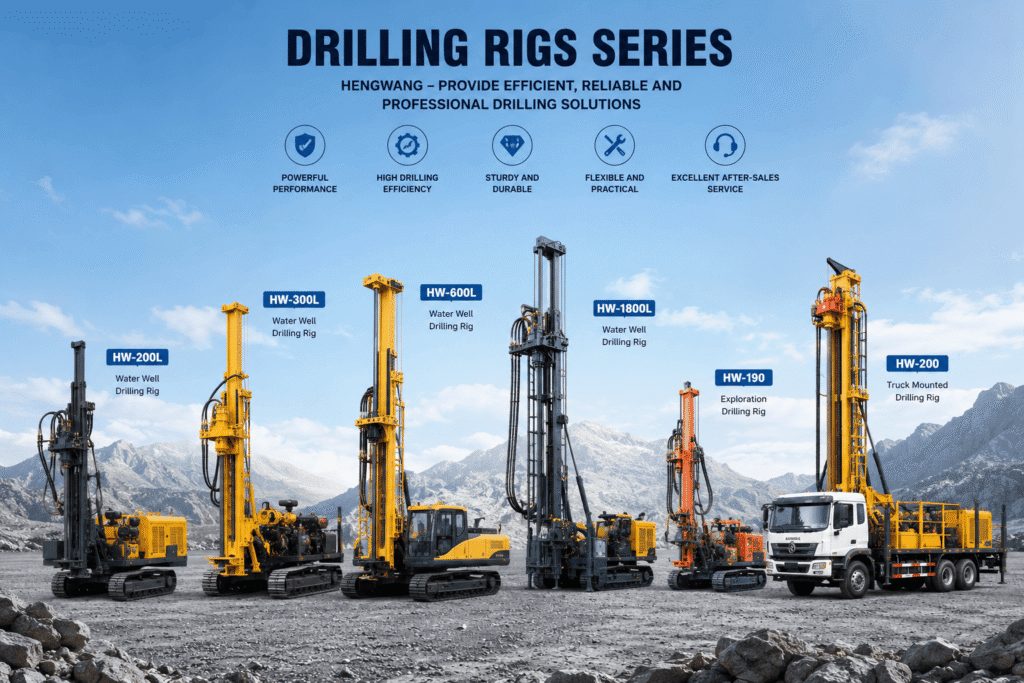
We encourage prospective buyers to review our production capabilities directly. At our facilities, we integrate R&D, precision machining, and automated assembly lines to maintain quality control. You can explore our diverse range of machinery, from hydraulic piling rigs to specialized road rollers, on our official Product Gallery. A genuine manufacturer will always provide ISO 9001 certifications, CE markings, and transparent videos of their assembly process.
Assessing After-Sales Value in Direct Pricing
A common pitfall in comparing factory prices is ignoring the “service gap.” Lower-priced factories often lack the infrastructure to provide spare parts or technical guidance after the transaction is complete. This can lead to costly downtime that far outweighs the initial savings.
When we quote a price, we factor in the availability of wear parts and the accessibility of technical documentation. You should ask the manufacturer about their parts’ compatibility. Do they use universal components that can be sourced locally, or are the parts proprietary? Choosing a manufacturer that utilizes standardized international components will reduce your long-term maintenance costs and improve the machine’s resale value.
Critical Factors for Comparing International Quotes
- Emission Compliance: Ensure the engine meets your local regulations (e.g., EPA for the US, CE for Europe).
- Warranty Terms: Does the factory offer a “parts-only” warranty or local service support?
- Customization Capability: Can the factory modify the hydraulic flow or attachment brackets for your specific tools?
- Lead Times: A lower price is useless if the production lead time delays your project by six months.
- Payment Security: Legitimate factories typically use Letter of Credit (L/C) or secure T/T payments with clear milestones.
Finalizing Your Procurement Decision
To effectively compare a factory direct heavy equipment price, you must move beyond the PDF quote. Request a technical data sheet that includes breakout force, lifting capacity, and hydraulic pressure ratings. Compare these against the operational requirements of your job site.
As you evaluate your options, consider the partnership potential of the manufacturer. We aim to provide not just a machine, but a long-term solution that scales with your business. By focusing on technical transparency and logistics clarity, you can secure high-performance machinery at a price that reflects true manufacturing efficiency rather than compromised quality.
FAQ
Q: Why is there such a large price gap between different Chinese manufacturers?
A: Differences usually stem from the grade of hydraulic components, engine emission standards, and the thickness of the steel used in the chassis. We prioritize high-durability components that meet international standards, which may result in a higher initial price but lower lifetime costs.
Q: Does the factory direct price include shipping and customs?
A: Usually, the initial quote is FOB (Free on Board) or EXW. You must ask for a CIF or DDP quote if you want the manufacturer to handle the shipping and import duties to your local port or facility.
Q: How do I handle maintenance if I buy directly from an overseas factory?
A: We design our equipment using many globally recognized brands for engines and hydraulic valves. This ensures that you can find filters, seals, and basic engine parts through local dealers in your own country, minimizing downtime.
Q: What is the typical MOQ for factory direct heavy equipment?
A: For large machinery like excavators or drilling rigs, the MOQ is usually one unit. However, purchasing multiple units often allows us to optimize container space, which significantly reduces the per-unit shipping cost.
Reference Sources
ISO 9001:2015 Quality Management Systems Requirements
https://www.iso.org/standard/62085.html
Association of Equipment Manufacturers (AEM) Industry Trends
https://www.aem.org/news
International Chamber of Commerce – Incoterms 2020 Explained
https://iccwbo.org/resources-for-business/incoterms-rules/incoterms-2020/