The global construction and mining sectors are currently undergoing a massive shift toward high-efficiency, multi-functional machinery. For international distributors, the challenge is not just finding a machine to sell, but securing a partnership that ensures long-term profitability and operational reliability. A “best-in-class” heavy equipment dealer program must bridge the gap between manufacturing excellence and local market service demands.
Success in the heavy machinery trade depends on more than just competitive pricing. It requires a robust support ecosystem that includes technical training, rapid parts fulfillment, and localized marketing strategies. As equipment becomes more technologically advanced—integrating complex hydraulic systems and Tier 4 Final/Stage V engines—the distributor’s role evolves from a mere reseller to a critical service provider.
What defines a high-performance heavy equipment dealer program?
A premier dealer program is built on the foundation of manufacturing transparency and technical empowerment. For a distributor to remain competitive, the OEM (Original Equipment Manufacturer) must provide a program that prioritizes machine uptime. This means having a direct line to engineers and a logistics framework that minimizes lead times for critical components.
Key pillars of a successful program include:
- Technical Onboarding: Comprehensive training for local mechanics on specific hydraulic circuits and engine diagnostics.
- Territory Protection: Guaranteed market rights to prevent internal brand competition and ensure healthy margins.
- Spare Parts Infrastructure: A tiered inventory system that allows dealers to stock high-wear items locally while providing express shipping for major assemblies.
- Customization (OEM/ODM): The ability to modify machine specifications—such as boom length, bucket capacity, or auxiliary hydraulics—to meet specific regional project requirements.
Technical specifications and manufacturing standards
From an engineering perspective, the quality of a dealer program is reflected in the machines it produces. International distributors must evaluate equipment based on structural integrity and component origin. For instance, when analyzing the Hengwang product lineup, technical buyers look for high-strength manganese steel in excavator frames and reliable hydraulic pumps from globally recognized brands.
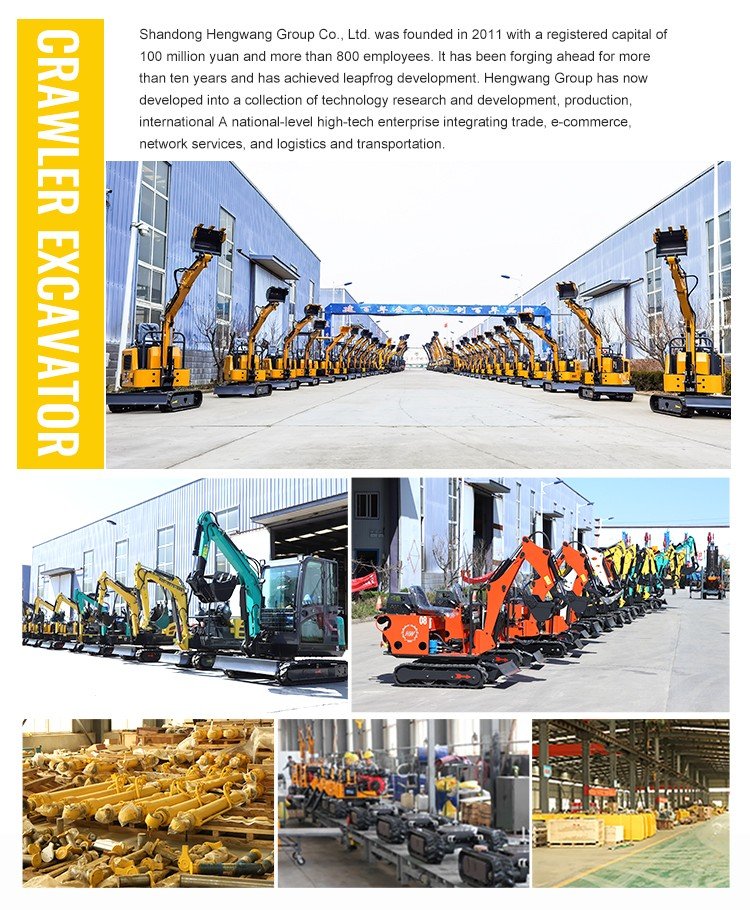
Modern heavy equipment must adhere to rigorous testing standards. This includes stress testing for fatigue resistance in booms, hydraulic pressure testing for leak prevention, and thermal management evaluations for cooling systems in high-ambient-temperature environments. A dealer program that provides detailed technical documentation and “as-built” specifications allows distributors to sell with a higher degree of confidence to sophisticated contractors.
Evaluating dealer program tiers and support levels
Not all dealer programs are structured the same. Some focus on high-volume, low-margin retail, while others prioritize specialized project-based equipment like piling rigs or large-scale excavators. Choosing the right tier depends on your existing service infrastructure and target client base.
| Feature | Standard Partnership | Premier Dealer Program |
| Technical Support | Remote Email/Chat | 24/7 Priority Video Link & On-site Training |
| Parts Discount | 5% – 10% | 15% – 25% + Consignment Stock Options |
| Marketing Support | Digital Brochures | Co-branded Campaigns & Trade Show Subsidies |
| Customization | Standard Specs Only | Full OEM/ODM Engineering Support |
| Warranty Claims | 30-Day Processing | Expedited Approval & Local Credit |
How does the RFQ and procurement workflow operate?
For international distributors, the procurement process must be streamlined to manage cash flow and project deadlines effectively. A professional dealer program utilizes a structured Request for Quote (RFQ) system that accounts for shipping logistics, duty calculations, and regional compliance (such as CE or EPA certifications).
The typical workflow for a new distributor involves:
- Initial Consultation: Assessing the dealer’s market reach and service capabilities.
- Product Selection: Matching the local demand (e.g., compact excavators for urban work vs. heavy drilling rigs for infrastructure).
- Sample Evaluation: Importing a pilot unit to test performance under local soil and climate conditions.
- Contractual Agreement: Finalizing MOQ (Minimum Order Quantity), lead times, and territory exclusivity.
- After-Sales Setup: Establishing the local parts warehouse and training the technical team.
Why choose the Hengwang dealer partnership?
Hengwang Group has established itself as a leader in the heavy equipment sector by integrating R&D, manufacturing, and international logistics. Our dealer program is designed specifically for distributors who require a diverse portfolio, ranging from excavators and road rollers to advanced drilling equipment.
We understand that for a distributor to succeed, the manufacturer must provide more than just a machine. Our facility offers a comprehensive support system that includes:
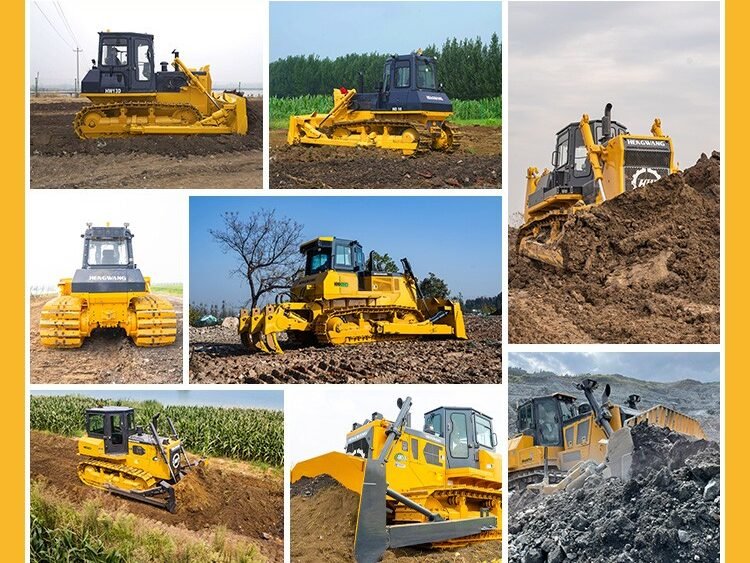
- Diverse Product Range: Access to a wide variety of machinery ensures you can serve multiple sectors like construction, mining, and agriculture.
- Rigorous Quality Control: Every unit undergoes multi-point inspections to ensure compliance with international durability standards.
- Rapid Lead Times: Optimized manufacturing workflows allow us to fulfill large orders faster than many industry competitors.
- Localized Marketing Assets: We provide high-resolution technical data, videos, and localized manuals to reduce your time-to-market.
Partnering with a manufacturer that controls the entire production cycle—from raw steel to the final hydraulic assembly—gives you a significant advantage in terms of cost control and quality assurance.
FAQ
Q;What is the typical MOQ for becoming an international distributor?
A:Minimum order quantities vary based on the equipment type. For compact machinery like mini-excavators, the MOQ might be a full container load (2–4 units). For heavy-duty drilling rigs or large excavators, we offer more flexible terms to accommodate the higher capital investment required.
Q:How are technical warranty claims handled for overseas dealers?
A:We utilize a digital claim system. Dealers submit photos, video diagnostics, and serial numbers through our portal. Once verified, replacement parts are shipped via express air freight to minimize machine downtime for the end-user.
Q:Does the program include on-site technical training?
A:Yes. For premier partners, we can dispatch senior engineers to your location to provide hands-on training for your service team. We also offer comprehensive video training modules and digital manuals for all equipment maintenance procedures.
Q: Can machines be customized for specific environmental regulations?
A:Absolutely. We can configure engines and exhaust systems to meet regional requirements, including Euro V or EPA Tier 4 standards. We also offer specialized cooling packages for desert environments or cold-start kits for high-altitude regions.
Q: What is the average lead time from order to shipment?
A:Standard equipment usually ships within 15 to 30 days of order confirmation. Custom builds or high-volume orders may require 45 to 60 days, depending on the complexity of the technical modifications requested.
Reference Sources
- International Organization for Standardization (ISO) 9001:2015 Quality Management Systems.
https://www.iso.org/standard/62085.html - The Association of Equipment Manufacturers (AEM) – Global Industry Trends.
https://www.aem.org/ - Hengwang Group Official Equipment Specifications and Dealer Portal.
https://hengwangm.com/product/