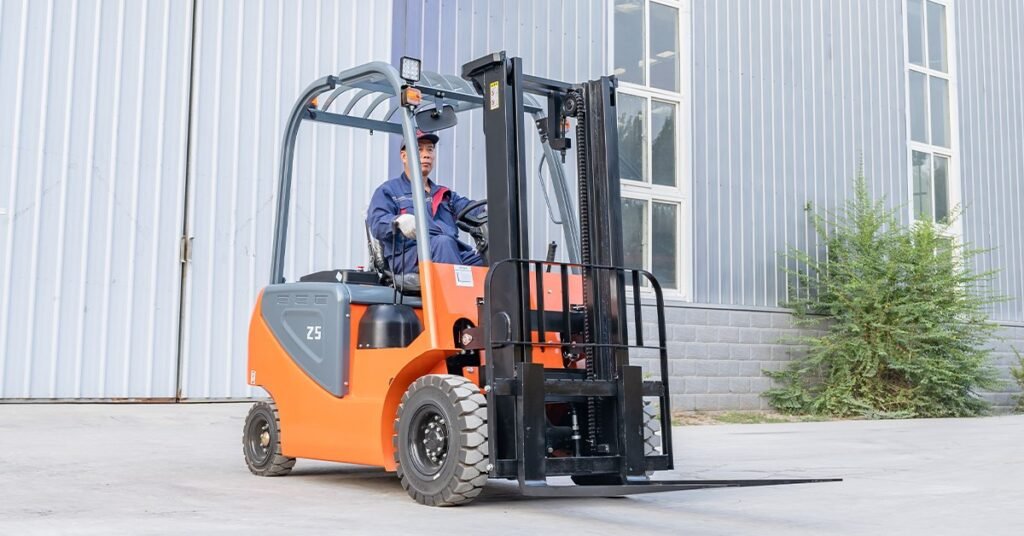
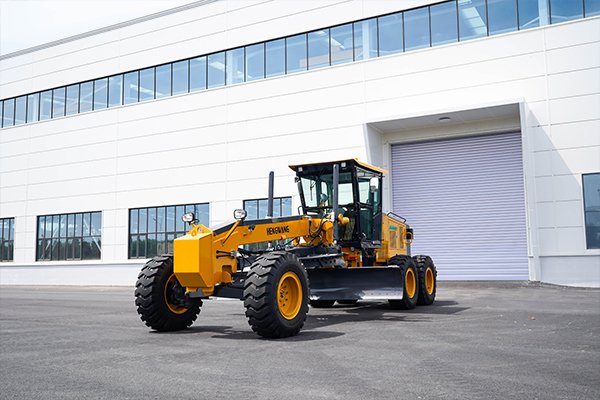
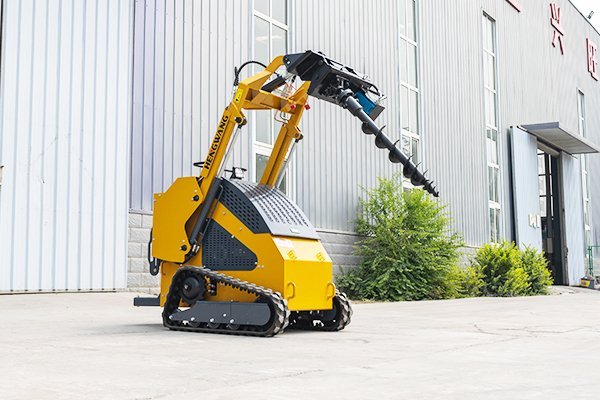
The construction machinery market is undergoing a significant transformation. As global infrastructure projects expand, the demand for reliable heavy equipment like excavators, loaders, and drilling rigs continues to climb. Entering this sector as a distributor offers high-margin potential and long-term stability. At Hengwang, we have spent decades helping partners navigate the complexities of heavy machinery distribution. This guide outlines the strategic path to building a profitable dealership in the modern industrial landscape.
How to identify a profitable market niche?
Success in the construction equipment industry starts with specialization rather than generalism. High-demand regions often require specific machine categories based on local terrain and project types. For example, urban development creates a massive need for compact excavators and skid steer loaders. Conversely, mining and heavy infrastructure projects require specialized piling rigs and large-scale earthmovers.
We recommend conducting a local gap analysis. Identify which brands are currently underserved in your territory regarding after-sales support and parts availability. Understanding the Total Cost of Ownership (TCO) that local contractors are willing to bear will define your price point. If you focus on high-efficiency equipment with low maintenance costs, you position yourself as a value-driven partner rather than just a hardware seller.
What are the financial and legal requirements for distributors?
Establishing a heavy equipment dealership requires significant capital and a robust legal framework. You must account for floor planning, which involves the financing of your machine inventory. Beyond the initial purchase of stock, you need physical space for a showroom, a specialized service bay, and a warehouse for critical spare parts.
Legal compliance is equally vital. You will need general business licenses, product liability insurance, and specific certifications for handling industrial machinery. At Hengwang, we emphasize that our distributors must adhere to local environmental and safety standards. This ensures that every machine sold meets regional emissions regulations and safety protocols, protecting both the dealer and the end-user.
| Criteria | Independent Dealer | Authorized Distributor | OEM Partner (Hengwang Model) |
| Inventory Source | Multiple Brands | Single Major Brand | Direct Factory Support |
| Profit Margins | Variable/Low | Medium | High/Performance Based |
| Technical Support | Third-party | Brand-specific | Direct Engineering Access |
| Training | Self-funded | Limited | Comprehensive Factory Training |
| Marketing Support | Individual | Corporate Guided | Co-branded Global Strategy |
How to choose the right manufacturing partner?
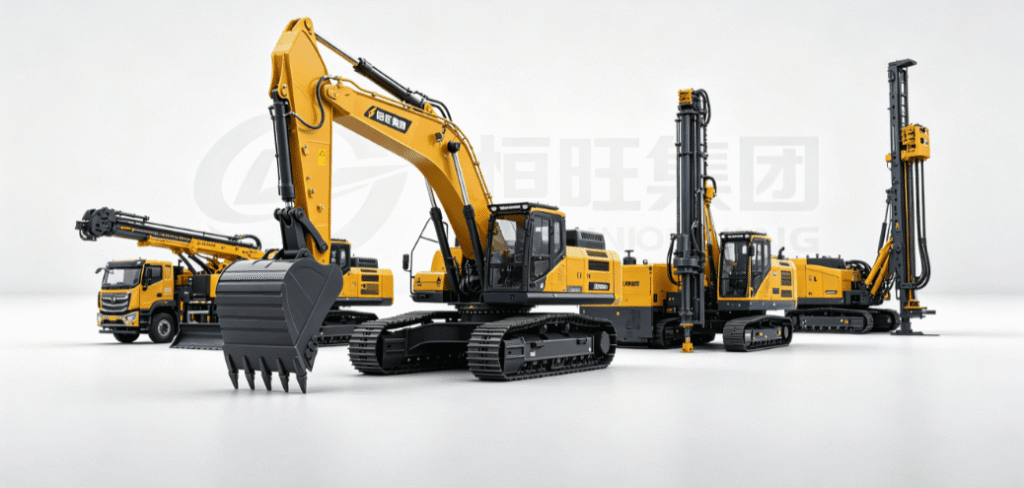
Your choice of manufacturer is the most critical decision in your business journey. You need an OEM that offers a diverse product portfolio to ensure year-round sales. At Hengwang, we provide our partners with a comprehensive range of machinery, including high-performance excavators, versatile loaders, and industry-leading drilling equipment. This variety allows you to serve multiple sectors from a single source.
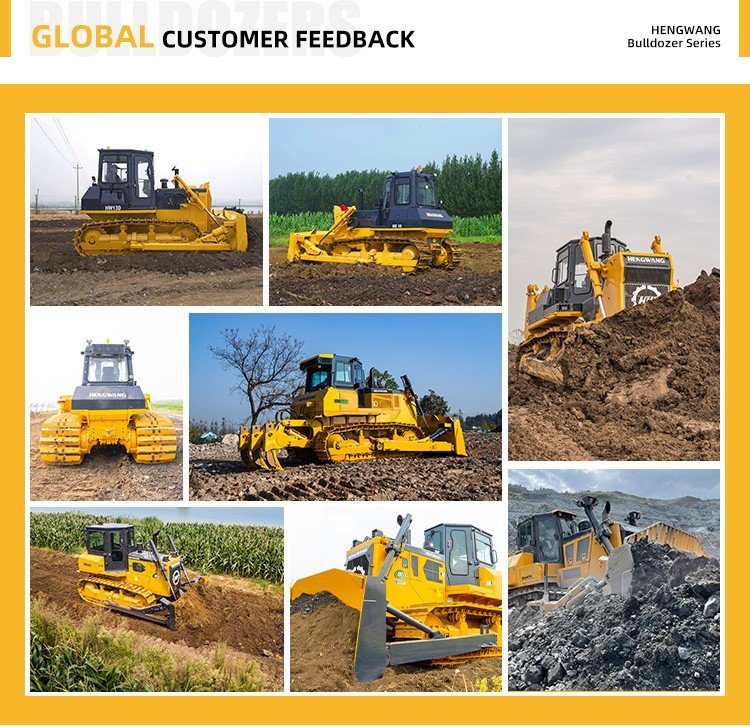
A reliable partner provides more than just machines. You should look for manufacturers that offer robust warranty programs and a streamlined supply chain for parts. We prioritize our global distribution network by ensuring that technical documentation and maintenance manuals are readily available. When your customers face downtime, the speed at which we can provide solutions directly impacts your reputation as a distributor.
Steps to establishing a service-first operation
Heavy equipment is a “service-first” business. Customers do not just buy a machine; they buy the assurance that it will work when needed. To build trust, your facility must be equipped for Pre-Delivery Inspections (PDI) and routine maintenance.
- Hire certified technicians who understand hydraulic and engine systems.
- Establish a tiered spare parts inventory based on wear-and-tear frequency.
- Implement a digital service tracking system for customer fleets.
- Offer on-site emergency repair services to minimize client downtime.
- Provide operator training sessions to reduce machine misuse and warranty claims.
We have found that distributors who invest in technical expertise see a 40% higher customer retention rate. Providing excellent after-sales support creates a recurring revenue stream through parts sales and service contracts. This stability offsets the cyclical nature of new equipment sales.
Why digital presence is essential for industrial sales?
Traditional “handshake” deals are now supplemented by digital research. Modern contractors search for “excavators for sale” or “drilling rig suppliers” online before visiting a yard. Your digital presence must reflect your physical capability. This includes high-quality photos of your stock, detailed technical specifications, and clear contact forms for RFQs.
We support our partners by providing high-quality digital assets and technical data for our entire product line. By showcasing machines like our advanced piling rigs or compact loaders on your website, you capture leads early in the buying cycle. Integrating a lead management system ensures that no inquiry goes unanswered. In the B2B world, the speed of response is often the deciding factor in closing a deal.
How to scale your distribution business?
Growth in the construction equipment sector comes from geographical expansion and fleet diversification. Once your initial territory is stable, consider adding complementary product lines. If you started with excavators, adding road rollers or specialized foundation equipment can open new doors with existing clients.
Leveraging manufacturer financing and floor planning can help you scale without depleting your cash reserves. We work closely with our distributors to forecast demand and manage inventory levels effectively. Scaling also means investing in your sales team’s ability to act as consultants. They should be able to advise clients on which machine configuration maximizes their Return on Investment (ROI) for specific project types.
FAQ
Q: What is the typical initial investment for a construction equipment dealership?
A: Costs vary by region but generally include inventory costs, facility leasing, and specialized tooling. Partnering with a supportive manufacturer can help optimize these startup expenses through flexible inventory programs.
Q: Do I need a mechanical background to become a distributor?
A: While helpful, a strong business and sales background is more critical. You can hire specialized technicians to handle the mechanical aspects, but the distributor must focus on market strategy and relationship management.
Q: How do I handle warranty claims for the equipment I sell?
A: As an authorized distributor, you act as the bridge between the customer and the factory. We provide a structured claim process that ensures parts and labor costs are managed efficiently to keep the customer satisfied.
Q: Can I distribute multiple brands at the same time?
A: This depends on your agreement with the manufacturer. However, focusing on a single, comprehensive partner like us often leads to better support, higher priority for parts, and a more cohesive brand identity.
Q: What is the lead time for receiving new inventory?
A: Lead times depend on production schedules and shipping logistics. We strive to maintain a consistent production flow to ensure our distributors have the machines they need when the market peaks.
Reference Sources
Association of Equipment Manufacturers (AEM) Industry Reports
https://www.aem.org/
Committee for European Construction Equipment (CECE) Statistics
https://www.cece.eu/
International Organization for Standardization (ISO) TC 127
https://www.iso.org/committee/52232.html
Construction Equipment Association (CEA) Market Insights
https://www.thecea.org.uk/