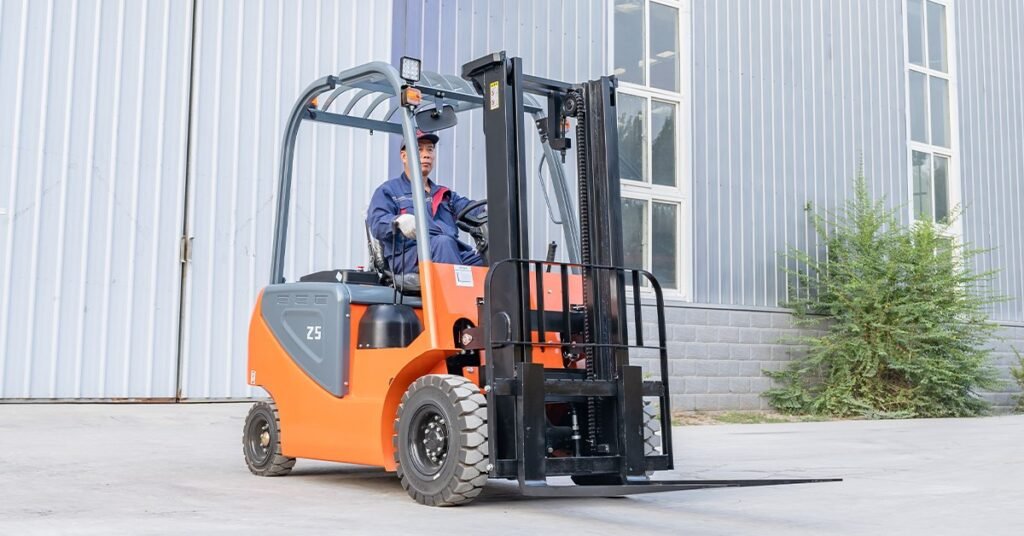
In my experience advising industrial facility managers, selecting the right equipment often comes down to two numbers: capacity and weight. You are likely researching an Electric Forklift to improve warehouse efficiency while reducing emissions. However, you must first ensure the machine fits your physical environment and lifting requirements. Buying the wrong class or size can lead to expensive operational bottlenecks.
This guide provides the technical data necessary for your commercial investigation.
Understanding Electric Lift Truck Classes
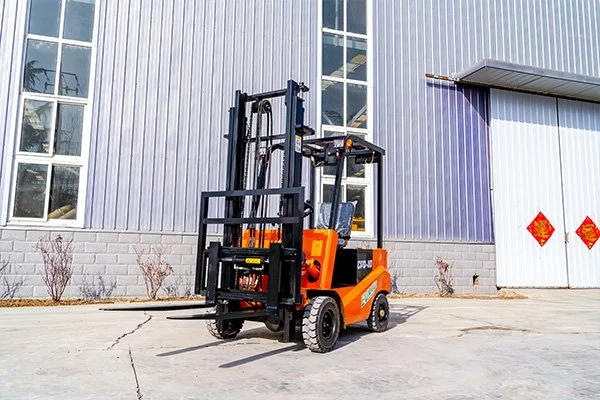
Before discussing specific weights, we must identify the equipment category. According to the Occupational Safety and Health Administration (OSHA), electric motor rider trucks fall under Class I. These are the heavy-duty workhorses found in most modern warehouses.
I focus here on counterbalanced models. These machines utilize a heavy battery and frame to offset the load on the forks. This design allows them to lift heavy pallets without tipping forward.
Understanding this classification helps you compare apples to apples. A Class I forklift offers different performance metrics than a Class III electric pallet jack. You need a stable, counterbalanced unit for high stacking and heavy loading.
How Much Can an Electric Forklift Hold?
One of the most frequent questions I encounter during procurement is: how much can an electric forklift hold? The answer depends on the rated capacity and the load center.
Rated Capacity
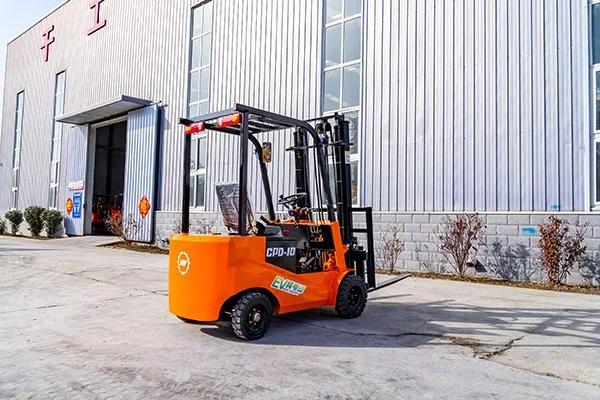
Standard electric rider trucks typically range from 3,000 lbs (1,360 kg) to over 15,000 lbs (6,800 kg). For most general warehousing, the “sweet spot” is often between 3,000 and 5,000 lbs. This range covers standard palletized goods in retail and distribution centers.
The Load Center Factor
You cannot simply look at the maximum number on the data plate. The capacity is calculated based on a specific load center, usually 24 inches (600 mm) from the fork face. If your load is longer or irregularly shaped, the lifting capacity decreases significantly.
Stability Standards
Stability is governed by strict engineering standards. References like ISO 22915 outline the static stability tests these machines must pass. If you exceed the rated limit, the rear wheels may lift off the ground. Always calculate your maximum load weight based on the extended load center, not just the base rating.
How Much Does an Electric Forklift Weigh?
To determine floor loading limits, you must ask: how much does an electric forklift weigh? This figure is often much higher than buyers anticipate due to the battery.
Service Weight
An electric forklift typically weighs 1.5 to 2 times its lifting capacity. For example, a unit rated to lift 4,000 lbs might have a service weight of approximately 6,000 to 7,500 lbs. This is crucial for determining if your mezzanine or trailer floors can support the machine.
The Role of the Battery
The lead-acid or lithium-ion battery serves a dual purpose. It provides power and acts as a vital part of the counterweight. A standard industrial battery can weigh anywhere from 800 lbs to over 2,500 lbs.
Comparison to IC Trucks
Electric models are generally heavier than their Internal Combustion (IC) counterparts. An IC truck uses an iron counterweight, but the electric truck uses the heavy battery mass. You must account for this extra weight when calculating transport logistics or elevator capacities.
Evaluating the Right Specs for Your Operations
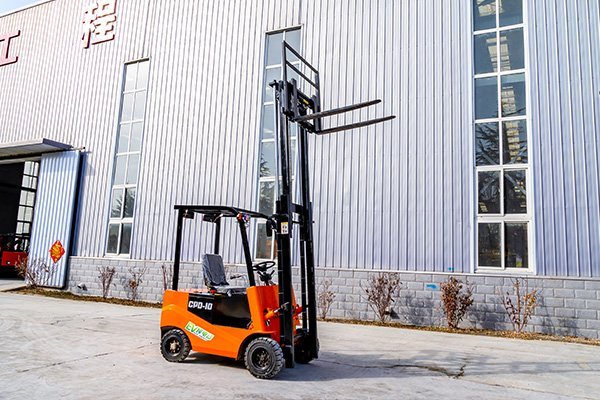
Choosing the correct unit requires balancing lift capacity against physical size. Bigger is not always better in narrow aisle applications. You need a machine that offers sufficient power without becoming too bulky for your racking layout.
Assessing Turn Radius and Dimensions
If your facility handles standard pallets under 2,200 lbs, a compact 1-ton model may offer superior agility. Smaller units often provide tighter turning radii. This allows you to optimize storage density by reducing aisle widths.
Matching Equipment to Workflow
I recommend analyzing your heaviest average load. If 90% of your loads are under 2,000 lbs, investing in a massive 5,000 lb truck may be wastefully inefficient. A properly sized unit reduces energy consumption and wear on your flooring.
For facilities prioritizing compact efficiency, you might investigate the HW1T Electric Forklift. This model balances a 1-ton capacity with a small footprint, making it ideal for navigating tight spaces. Assessing such specifications helps ensure your fleet matches your actual daily throughput.
Summary
To select the right Electric Forklift, you must verify that the rated capacity matches your load center, not just the total weight. You must also ensure your facility floors can support the machine’s service weight, which includes the heavy battery. Correctly matching these specs to your operational needs ensures safety and high ROI.
FAQ
Q1. Where can I find an electric forklift for sale?
You can find an electric forklift for sale through authorized industrial equipment dealers or manufacturer direct websites. Always verify warranty terms and aftermarket support before purchasing.
Q2. Does the battery weight affect the lifting capacity?
Yes, the battery acts as part of the counterweight system. Using a battery lighter than the minimum specification on the data plate can dangerously reduce the truck’s stability and lifting capacity.
Q3. What is the lifespan of an electric forklift battery?
A well-maintained lead-acid battery typically lasts 1,500 charge cycles (about 5 years). Lithium-ion batteries can last significantly longer, often exceeding 3,000 cycles with proper opportunity charging.
Q4. Are electric forklifts capable of outdoor use?
Many modern electric trucks are rated for outdoor use (IP54 or higher). However, you must check the specific model’s ground clearance and weatherproofing ratings before using them on uneven or wet terrain.
Q5. How do maintenance costs compare to diesel forklifts?
Electric trucks generally have lower maintenance costs because they have fewer moving parts. There are no oil changes, spark plugs, or transmission fluid changes required, which reduces long-term total cost of ownership.
Reference Sources
Occupational Safety and Health Administration (OSHA) – Powered Industrial Trucks – General Industry Standards
https://www.osha.gov/
Industrial Truck Association (ITA) – Classifications of Lift Trucks
https://www.indtrk.org/