Choosing the right equipment determines the success of any construction project. While tracked models dominate heavy earthmoving, wheeled excavator uses have expanded significantly in recent years. These machines offer a unique blend of mobility and power.
Wheeled excavators operate on rubber tires rather than steel tracks. This design allows them to travel between jobsites without a trailer. They are increasingly popular for projects where speed and surface protection are critical.
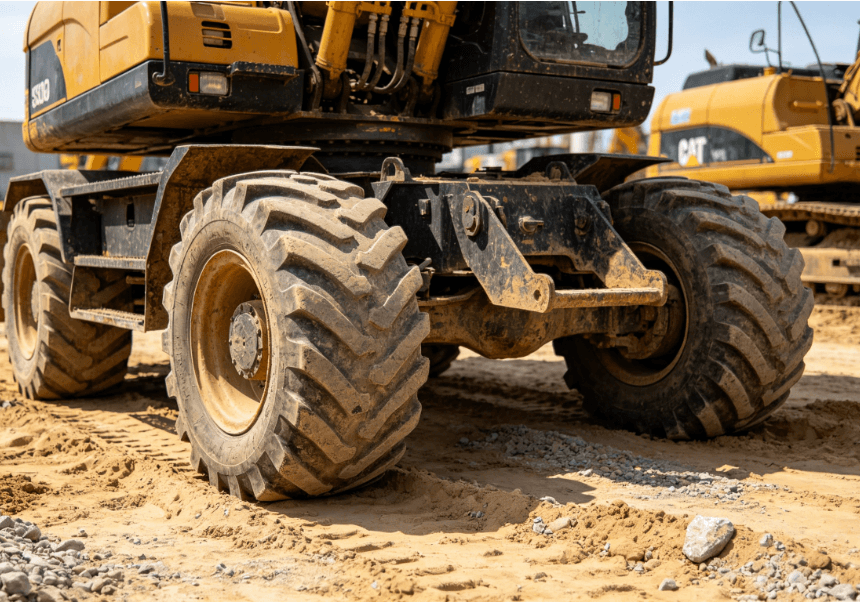
Understanding where these machines excel helps contractors maximize their return on investment. This guide explores the most effective applications for modern wheeled excavators in various industries.
What are the primary wheeled excavator uses in urban areas?
Urban construction sites present unique challenges such as tight spaces and sensitive surfaces. Wheeled excavator uses in these environments focus on minimizing damage to existing infrastructure. Unlike tracks, rubber tires do not tear up asphalt or concrete.
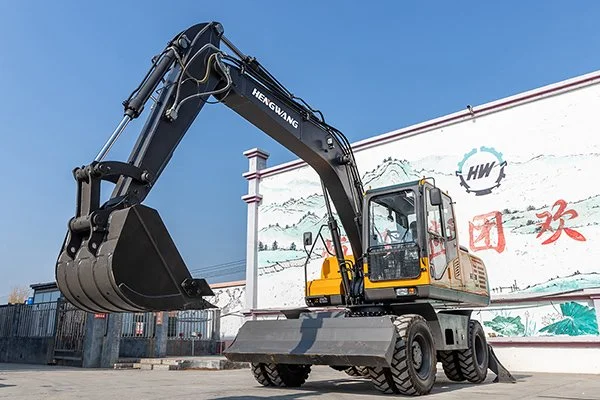
These machines can travel directly on city streets. This eliminates the need for specialized transport trucks and loading ramps. It saves significant time when moving between multiple small repair sites in one day.
Most modern wheeled excavators feature a short tail swing design. This allows them to work within a single lane of traffic. Operators can dig, lift, and rotate without blocking the entire road.
The hydraulic stability of these machines is enhanced by outriggers. When the outriggers are deployed, the excavator gains a solid foundation for heavy lifting. This makes them ideal for placing concrete barriers or utility pipes.
| Feature | Crawler Excavator | Wheeled Excavator |
| Surface Compatibility | Soft Soil/Mud | Asphalt/Concrete |
| Travel Speed | 3–6 km/h | 25–40 km/h |
| Mobility | Requires Trailer | Self-Propelled |
| Best For | Heavy Excavation | Urban/Road Work |
How do wheeled excavators excel in road maintenance?
Roadwork is perhaps the most common sector for wheeled excavator uses. Maintenance crews often need to move several miles between culverts or ditching sites. A wheeled machine can cover these distances at speeds up to 40 kilometers per hour.
Speed is a vital safety factor in highway maintenance. Rapid deployment reduces the time workers spend exposed to live traffic. It also minimizes congestion by allowing projects to start and finish faster.
These machines are frequently used for cleaning drainage ditches along highways. The operator can drive along the shoulder while cleaning the trench. This continuous movement is much more efficient than unloading a tracked machine multiple times.
Installing road signs and guardrails is another key application. With specialized attachments, the excavator can drill holes and set posts. The machine’s mobility allows it to move to the next post location instantly.
Versatility in Landscaping and Material Handling
Landscaping projects often require moving heavy materials across finished lawns or driveways. Wheeled excavator uses in this field prevent costly repairs to the client’s property. The lower ground disturbance of tires is a major selling point for residential contractors.
In material handling yards, these machines function like mobile cranes. They can navigate between piles of scrap, timber, or gravel with ease. Their high cab position provides excellent visibility for loading high-sided trucks.
Equipping a wheeled excavator with a grapple makes it a powerhouse for forestry. It can sort logs and load them onto trailers in one fluid motion. The machine’s ability to travel on forest roads at speed improves daily output.
Demolition projects also benefit from these machines. In soft-strip demolition, they can enter buildings with reinforced floors without causing structural damage. They efficiently sort debris and transport it to onsite containers.
Performance Metrics: Mobility and Efficiency Data
Data shows that wheeled excavators can reduce transportation costs by up to 30%. This is because they bypass the fuel and labor costs associated with low-boy trailers. For contractors managing multiple sites, the savings accumulate quickly.
In terms of fuel efficiency, modern wheeled models are highly optimized. Many feature “travel modes” that reduce engine RPM while driving. This ensures that high-speed mobility does not come at the cost of excessive fuel consumption.
Lifting capacities have also seen significant technological improvements. A standard 15-ton wheeled excavator can often lift over 5,000 kilograms at ground level. This performance rivals tracked counterparts while offering superior agility.
Studies indicate that wheeled excavators have a 15% faster cycle time in “stop-and-go” tasks. This is due to the rapid repositioning capabilities of the wheel drive system. These efficiency gains make them a preferred choice for utility companies.
How to determine if a wheeled excavator fits your project
Selecting the right machine depends on the ground conditions of your site. If your project involves deep mud or steep, rocky inclines, a tracked machine is better. However, for most other scenarios, the wheeled excavator uses provide more flexibility.
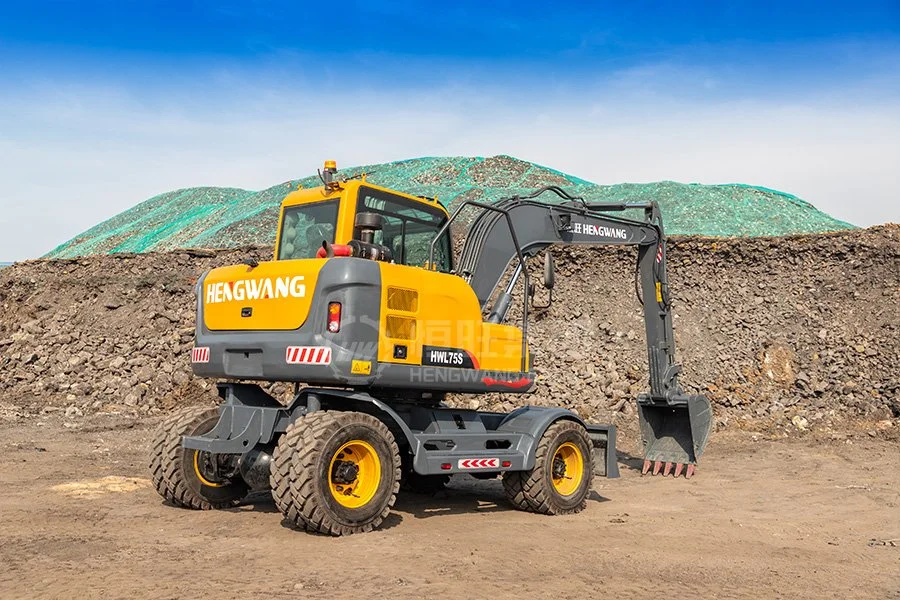
Consider the distance between your work zones. If you frequently move more than a mile between tasks, wheels are the logical choice. You should also evaluate the type of surface you will be working on daily.
Check the hydraulic flow requirements of your intended attachments. Wheeled excavators are often designed to run high-flow tools like mulchers or hammers. Ensure the machine’s weight class matches the lifting requirements of your heaviest materials.
Examine the stability options available on the machine. Some models offer a dozer blade and outriggers, while others use four outriggers. A dozer blade adds versatility for light grading and backfilling tasks.
Platform technology has made these machines easier to operate than ever. Advanced hydraulic systems provide smooth control for delicate tasks like laying pipe. High-quality models from manufacturers like Hengwang prioritize operator comfort and visibility.
Summary
The best wheeled excavator uses involve projects requiring high mobility and surface protection. These machines excel in urban construction, road maintenance, and material handling. By eliminating the need for trailers and protecting finished surfaces, they offer a significant operational advantage. Choosing a wheeled model ensures your fleet remains versatile and efficient in modern environments.
FAQ
What is the maximum speed of a wheeled excavator?
Most wheeled excavators can travel at speeds between 25 and 40 kilometers per hour. This allows them to move between jobsites on public roads without a trailer.
Can wheeled excavators work on soft soil?
They can work on soil, but they are less effective than tracked machines in deep mud. For soft ground, operators often use wide tires or outrigger pads to improve stability.
Are wheeled excavators as stable as tracked ones?
When the outriggers and dozer blade are deployed, they are extremely stable. In some cases, they provide a more level platform for lifting than tracks on uneven ground.
Do wheeled excavators require a special driver’s license?
In many regions, you need a standard driver’s license to operate them on public roads. However, local regulations vary regarding the specific weight class and road use.
What attachments are most common for these machines?
The most common attachments include buckets, hydraulic hammers, grapples, and pallet forks. Their versatility makes them suitable for everything from digging to material handling.
Reference Sources
Association of Equipment Manufacturers (AEM)
https://www.aem.org/
Ritchie Bros. Asset Solutions
https://www.rbassetsolutions.com/