Transitioning to a remote control lawn mower is a strategic move for businesses managing complex terrain or large-scale properties. By removing the operator from the machine, you eliminate direct exposure to slopes, debris, and fatigue. This technology significantly increases safety and productivity during daily site maintenance. Our professional experience confirms that integrating these units allows crews to manage difficult areas with far greater precision.
Why Remote Control Mowers Are Safer for Professionals
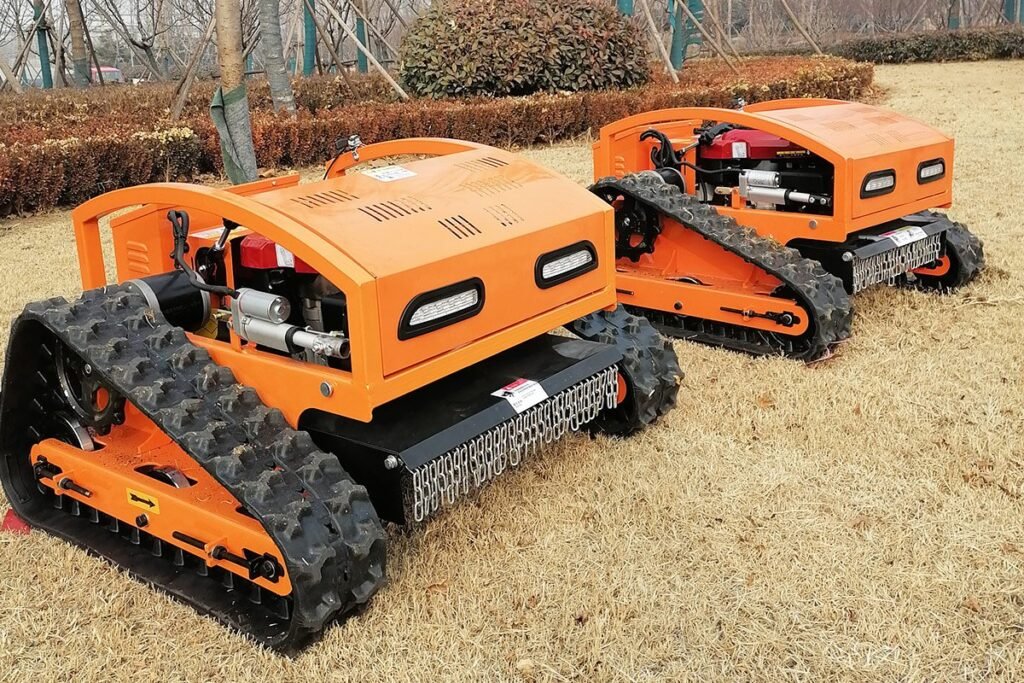
The primary advantage of a remote control lawn mower is the physical separation between the operator and the cutting deck. Standard walk-behind or ride-on mowers pose significant risks when operating on inclines exceeding 15 degrees. Remote units, like the HW750-8A, are engineered to handle steep gradients safely while the operator stands on stable ground. This design prevents common rollover accidents and reduces liability for landscaping contractors.
Furthermore, these machines protect staff from environmental hazards like hidden ground nests or projectiles. Studies indicate that remote-operated equipment reduces musculoskeletal strain by over 40% compared to traditional manual operation. By prioritizing worker safety, businesses decrease insurance premiums and improve long-term employee retention. Modern remote systems provide stable connectivity, ensuring the mower remains under precise control even at a distance of 200 meters.
Maximizing Operational Efficiency in Landscape Maintenance
For B2B operations, time is the most expensive resource. A remote control lawn mower excels in areas where traditional equipment struggles, such as solar farms, hillsides, or dense vegetation. These units utilize high-torque drive systems to maintain consistent speeds across challenging surfaces. Efficient cutting patterns ensure that you complete projects faster than using standard commercial gear.
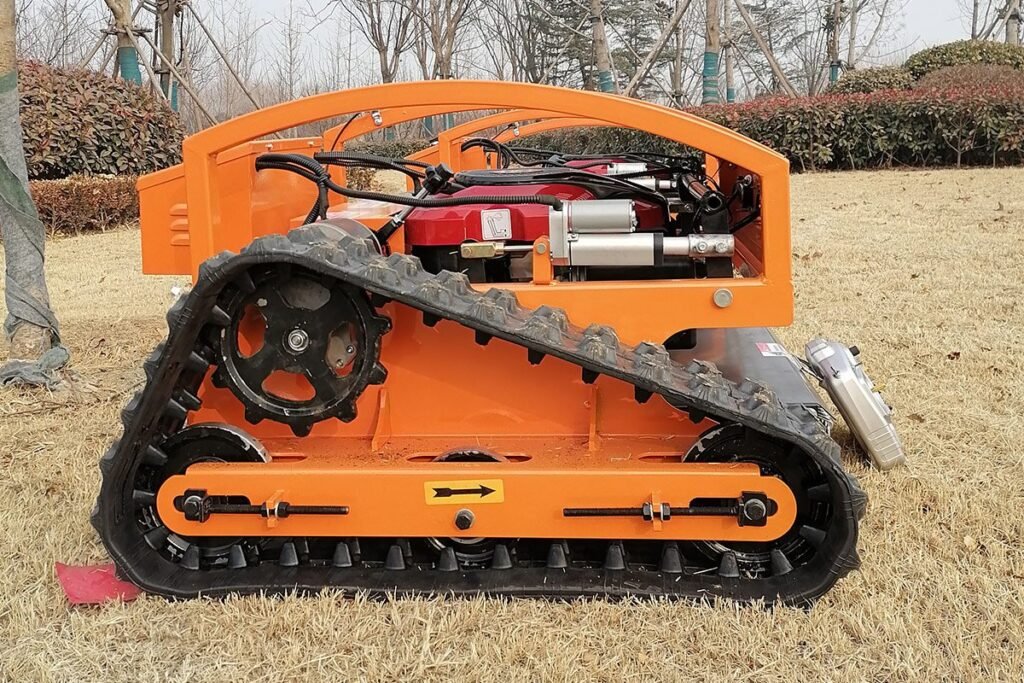
When evaluating equipment, prioritize machines with low-maintenance hydraulic systems and rugged chassis designs. The HW750-8A, for instance, features a high-performance engine capable of continuous operation in demanding environments. By automating the most difficult portions of a job site, your team can refocus on detailed aesthetic work. This operational shift effectively lowers the cost per acre for your landscaping business, providing a clear competitive edge in site maintenance contracts.
Selecting the Right Equipment for Your Fleet
Selecting the right professional equipment requires comparing build quality, power, and maneuverability. You should prioritize models that offer modular components, as this simplifies long-term repairs and reduces downtime. When evaluating a potential acquisition, focus on the engine’s power-to-weight ratio and the deck’s ability to mulch heavy growth. If you are struggling with “lawn mowing near me” service limitations, investing in your own specialized fleet provides total autonomy.
Consider the HW750-8A if your work involves varied terrain that requires high-torque performance and durability. This platform offers an ideal balance of power and remote responsiveness for diverse commercial applications. Evaluating your current job site requirements against machine specifications is the best way to ensure a high return on your investment. If your business focuses on large-scale property management, this level of automation is no longer a luxury but a requirement for modern scaling.
Why Strategic Equipment Choices Drive B2B Growth
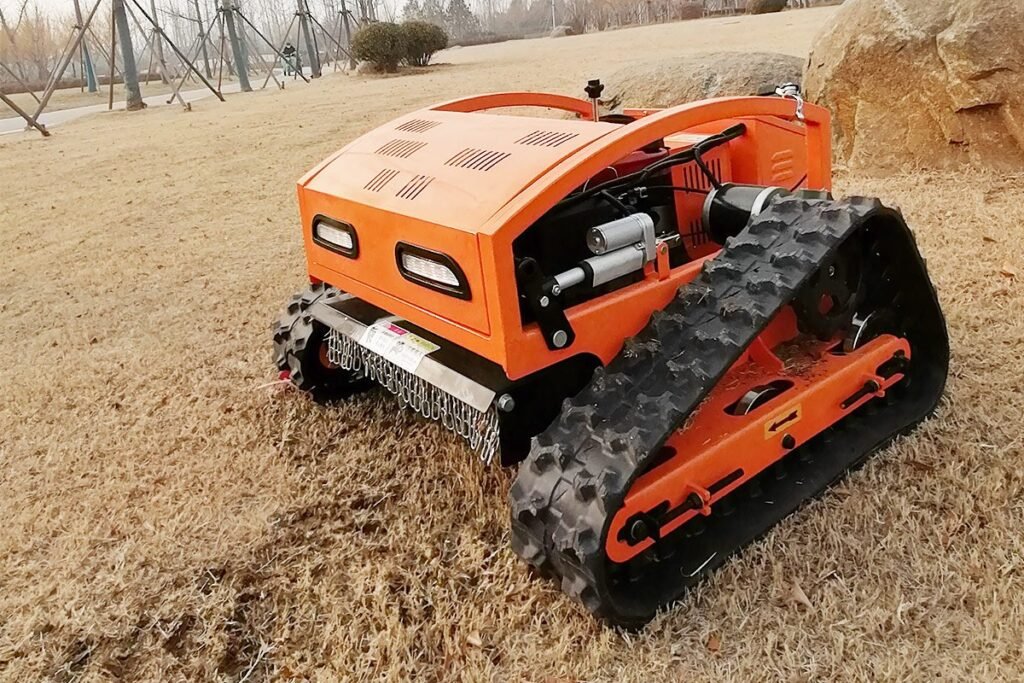
Optimizing your hardware is the first step toward scaling your landscape maintenance operations. When a project involves steep slopes or inaccessible areas, manual crews face significant bottlenecks and safety risks. Choosing a platform that aligns with your specific terrain needs ensures that your staff stays focused on high-margin tasks.
A professional-grade remote control lawn mower provides the reliability needed for heavy-duty, repetitive tasks without the maintenance overhead of more complex industrial machinery. You can explore the technical specifications and operational capabilities of the HW750-8A on the official product page. Reviewing these details helps you align specific engine power and cutting width metrics with your current commercial contract requirements.
Summary
Choosing a remote control lawn mower transforms how your business approaches site maintenance. By prioritizing safety and operational efficiency, these machines allow you to tackle difficult terrain with ease. Integrating this technology ensures your team remains productive, secure, and competitive in a high-demand market, providing a clear path to sustainable growth.
FAQ
Q1: Are remote control lawn mowers suitable for all terrains?
Yes, they are specifically designed for complex, uneven, or steep terrains where traditional mowers are unsafe or inefficient for human-operated machinery.
Q2: How do I maintain a professional remote mower?
Daily maintenance involves clearing the deck of debris and inspecting oil levels, similar to standard equipment, to ensure long-term mechanical longevity and consistent performance.
Q3: Can a remote mower save money for my landscaping business?
Yes, by increasing cutting speed and reducing the physical strain on operators, these mowers lower labor costs, insurance liabilities, and equipment downtime.
Q4: What should I look for when purchasing a mower for business use?
Focus on high-torque engines, rugged chassis construction, modular repair capabilities, and the manufacturer’s commitment to long-term parts availability and support.
Reference Sources
Hengwang Machinery, HW750-8A Product Specifications, https://hengwangm.com
American National Standards Institute (ANSI), Safety Standards for Commercial Turf Care Equipment, https://www.ansi.org
Outdoor Power Equipment Institute (OPEI), Industry Standards for Mower Safety, https://www.opei.org
National Institute for Occupational Safety and Health (NIOSH), Prevention of Musculoskeletal Disorders in Outdoor Work, https://www.cdc.gov/niosh