The construction industry relies heavily on versatile equipment to meet tight deadlines. Compact machinery has revolutionized how contractors approach smaller jobsites. Specifically, mini excavator uses have expanded significantly due to their maneuverability and power. These machines offer the strength of larger excavators in a fraction of the size.
Modern urban development often requires working in confined spaces where heavy machinery cannot fit. This is where the mini excavator becomes indispensable. Whether you are digging a trench or clearing debris, these tools provide precision. Their lightweight nature also prevents damage to finished surfaces like driveways or lawns.
Efficiency on the job site is often measured by how quickly a machine can switch tasks. With various attachments, a single unit can perform multiple roles. Understanding the most common mini excavator uses helps contractors maximize their investment. This guide explores the top ten applications that define modern compact excavation.
What Are the Most Common Mini Excavator Uses?
Mini excavators excel in tasks that require precision rather than sheer bulk. Their hydraulic systems allow for smooth operation in sensitive environments. Below are the primary ways these machines are utilized across the construction and landscaping sectors.
1. Trenching for Utility Lines
One of the most frequent mini excavator uses involves digging narrow trenches. These are necessary for laying water pipes, electrical conduits, or gas lines. Compact excavators can operate in narrow alleys where larger backhoes would be obstructed.
2. Precise Landscaping and Grading
Landscapers use these machines to reshape terrain or create garden features. They are perfect for terrace construction or digging holes for mature trees. Because they have low ground pressure, they leave minimal tracks on soft soil.
3. Residential Pool Installation
Digging a backyard pool requires navigating through tight gates and around existing structures. A mini excavator can enter a standard backyard easily. It provides enough depth and power to excavate several tons of earth in a single afternoon.
4. Small-Scale Demolition
Demolishing sheds, decks, or concrete patios is much faster with a compact machine. Using a hydraulic breaker attachment, it can crack through thick concrete. It then switches to a bucket to load the debris into a truck.
5. Material Handling
With a “thumb” attachment, these machines act like large mechanical hands. They can lift heavy logs, stones, or construction materials. This reduces the physical strain on workers and increases site safety.
| Application Type | Common Attachment | Key Benefit |
| Trenching | Narrow Bucket | High Precision |
| Demolition | Hydraulic Breaker | Power in Tight Spaces |
| Hole Drilling | Auger | Speed and Consistency |
| Grading | Grading Blade | Smooth Surface Finish |
| Material Handling | Hydraulic Thumb | Versatile Lifting |
6. Snow Removal
In winter, contractors equip mini excavators with specialized blades or blowers. They are ideal for clearing parking lots or sidewalks where trucks cannot reach. Their cab heaters keep operators comfortable during long shifts.
7. Foundation Repair and Excavation
When a house foundation requires repair, workers must dig alongside the existing structure. A mini excavator allows for careful digging without risking structural damage. It is also used to dig footings for new home extensions.
8. Road Repair and Maintenance
Urban roadwork often requires closing only one lane of traffic. A mini excavator can work within that single lane effectively. This minimizes traffic congestion while allowing for utility repairs or curb installations.
9. Post Hole Digging
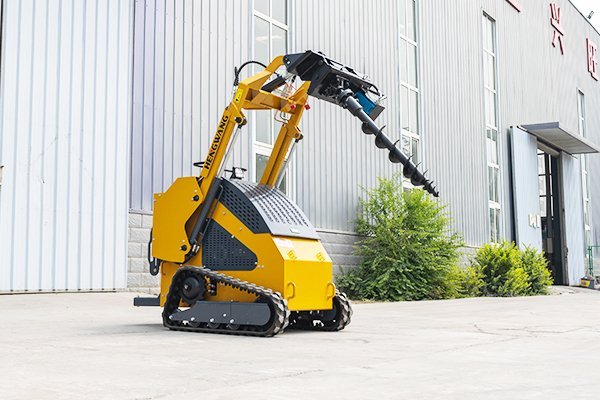
Using an auger attachment, these machines can drill hundreds of holes in a day. This is vital for fence installations or solar panel mounting. It ensures every hole is at the same depth and diameter.
10. Indoor Construction and Renovation
Electric models are now widely used for indoor tasks. Since they produce zero emissions, they are safe for enclosed spaces. They are perfect for floor removal or interior trenching in large warehouses.
Why Compact Excavators Are Essential for Urban Projects
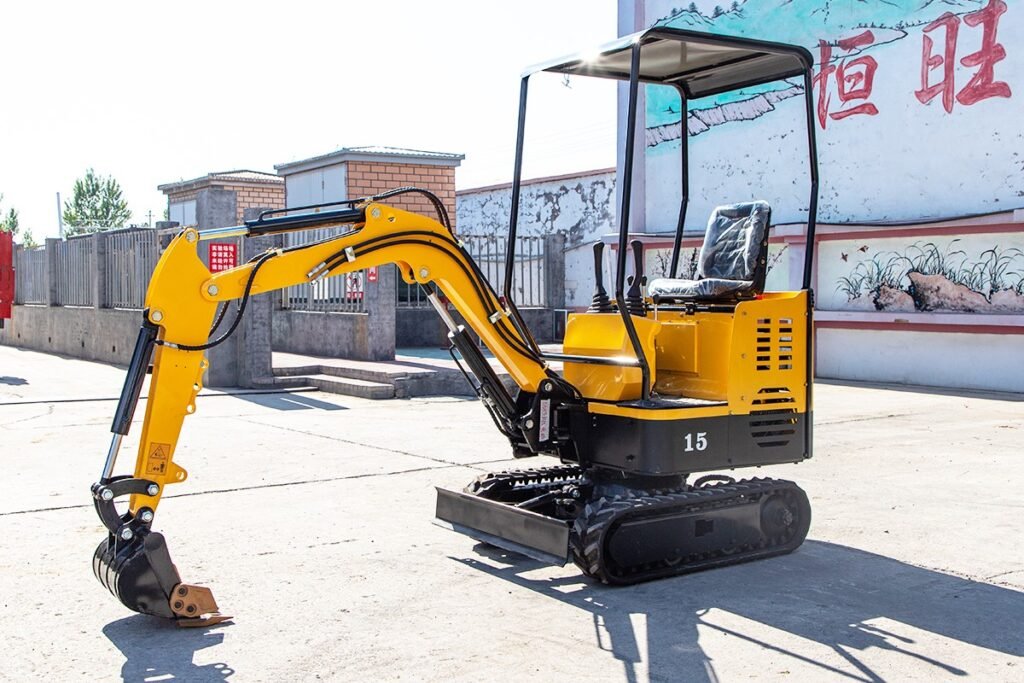
The shift toward urban density has increased the demand for smaller equipment. Most mini excavator uses focus on maximizing space without sacrificing hydraulic power. Statistics show that the global mini excavator market is growing at a rate of over 4% annually. This growth is driven by the need for efficient, low-impact machinery in city centers.
Standard mini excavators typically weigh between 1 and 6 tons. Machines in the 1.5-ton class are particularly popular for residential work. They provide a digging depth of approximately 2 to 2.5 meters. This is sufficient for the vast majority of local utility and repair tasks.
Furthermore, the introduction of electric power is a game-changer for the industry. Electric versions eliminate noise pollution, which is a major concern in residential areas. These machines can operate early in the morning or late at night without disturbing neighbors. This flexibility allows projects to stay on schedule even in noise-sensitive zones.
How to Choose the Right Compact Excavator for Your Site
Selecting the right machine depends on your specific mini excavator uses and site conditions. You must evaluate the weight of the machine against the load-bearing capacity of the ground. For indoor projects or sensitive urban environments, the power source is the most critical factor.
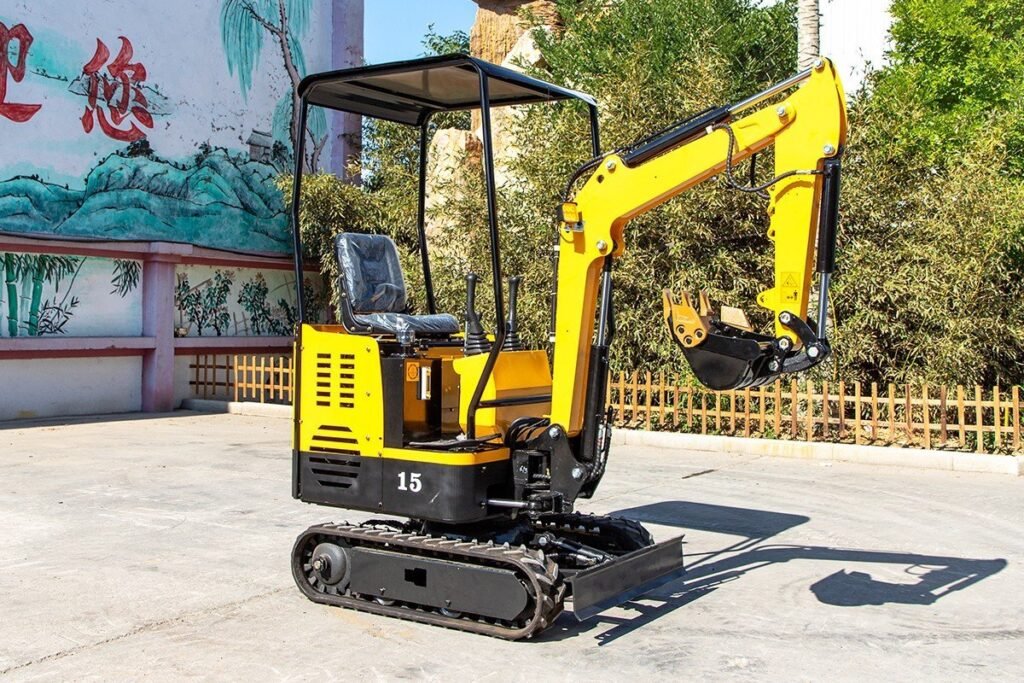
Modern contractors now look for machines that offer zero emissions and quiet operation. An electric mini excavator, such as those in the 1.5-ton range, provides the same hydraulic force as diesel counterparts. This ensures that performance is not sacrificed for environmental compliance. You should also consider the ease of transport, as smaller units can be moved using a standard trailer.
Battery life is another essential criterion for modern equipment. A high-quality electric unit should support a full day of intermittent work. Look for models that feature fast-charging capabilities to minimize downtime. Choosing a machine with a narrow width allows you to pass through standard doorways for interior demolition.
The Hengwang HWE15 Electric Excavator represents this new era of construction technology. It features a compact design and a powerful electric motor, making it perfect for indoor and urban tasks. This machine provides a sustainable solution for contractors who need high performance in restricted areas.
Summary
The diverse range of mini excavator uses makes these machines a vital asset for any contractor. From trenching and landscaping to indoor demolition, their versatility is unmatched. By selecting the right size and power source, you can significantly increase job site efficiency. Compact machinery is the future of sustainable and precise construction.
FAQ
Q:What are the primary mini excavator uses in residential areas?
The primary uses include digging for pools, installing utility lines, and backyard landscaping. Their small size prevents damage to existing structures and lawns.
Q:Can a mini excavator be used for heavy demolition?
Yes, it can perform small-to-medium demolition when equipped with a hydraulic breaker. It is ideal for removing concrete slabs, brick walls, and small outbuildings.
Q:Are electric mini excavators as powerful as diesel models?
Electric models provide consistent torque and hydraulic power comparable to diesel engines. They are preferred for indoor and noise-sensitive projects due to zero emissions.
Q:How deep can a standard 1.5-ton mini excavator dig?
Most 1.5-ton machines can reach a digging depth of about 2 to 2.3 meters. This depth is suitable for most residential utility and foundation work.
Q:What attachments are most common for mini excavators?
The most common attachments include buckets of various widths, augers for drilling, and hydraulic thumbs for grabbing materials.
Reference Sources
Association of Equipment Manufacturers (AEM)
https://www.aem.org/
Occupational Safety and Health Administration (OSHA)
https://www.osha.gov/