Bulldozers are the heavy-duty powerhouses of the construction world. These massive machines feature a large metal plate for pushing materials. Operators rely on them to move earth, rocks, and debris. Understanding common bulldozer uses helps project managers choose the right equipment.
Modern dozers combine raw power with advanced hydraulic systems. They can tackle tasks that smaller machines cannot handle. Their tracks provide excellent traction on uneven or soft surfaces. This design makes them essential for high-intensity work environments.
Most people recognize a bulldozer by its signature front blade. However, these machines perform many roles beyond simple pushing. Their versatility stems from various attachments and high-torque engines. From clearing forests to grading roads, their impact is undeniable.
Primary Industrial and Construction Bulldozer Uses
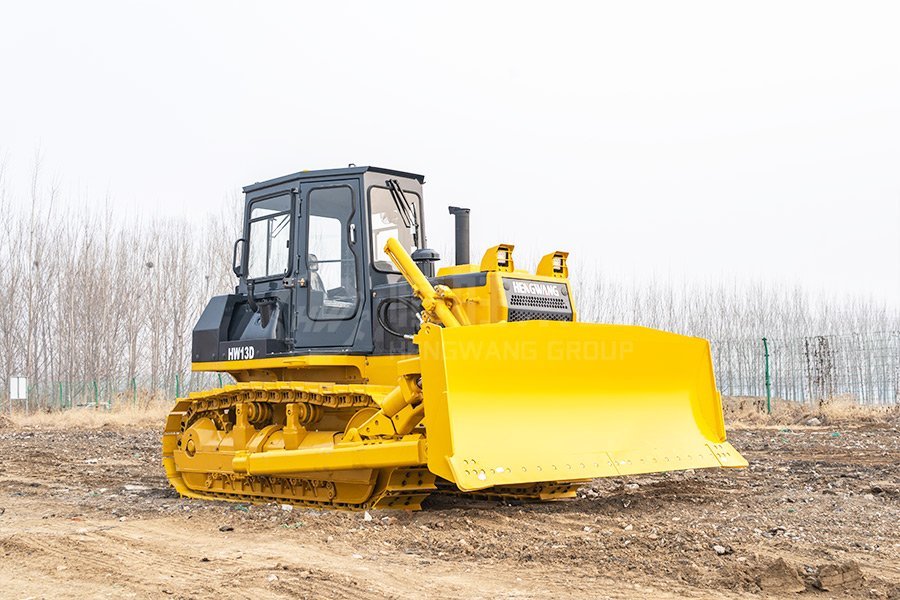
The most frequent bulldozer uses involve large-scale earthmoving and land clearing. These machines are designed to push heavy loads over short distances. They often work as the first equipment on a new construction site. Their primary job is to remove vegetation and topsoil.
Land clearing requires immense force to uproot trees and move boulders. A typical mid-sized dozer provides enough torque to clear hectares of land quickly. Without this power, site preparation would take weeks instead of days. They create a clean slate for developers and engineers.
Road construction is another area where dozers excel. They help in grading the land to create a flat surface. This process ensures the road has a stable and level foundation. Dozers also spread materials like gravel or crushed stone evenly.
| Performance Metric | Standard Dozer Specification | Impact on Project |
| Operating Weight | 14,500 kg | Increases pushing stability |
| Engine Power | 104 kW (140 HP) | Enhances fuel efficiency and torque |
| Blade Capacity | 4.5 m³ | Moves more material per pass |
| Ground Pressure | 62 kPa | Prevents sinking in soft soil |
How Specialized Attachments Expand Bulldozer Uses
The versatility of a bulldozer depends largely on its blade type. Different blades allow for specialized bulldozer uses across various sectors. For example, a Straight Blade (S-Blade) is best for fine grading. It lacks side wings, making it ideal for high-density materials.
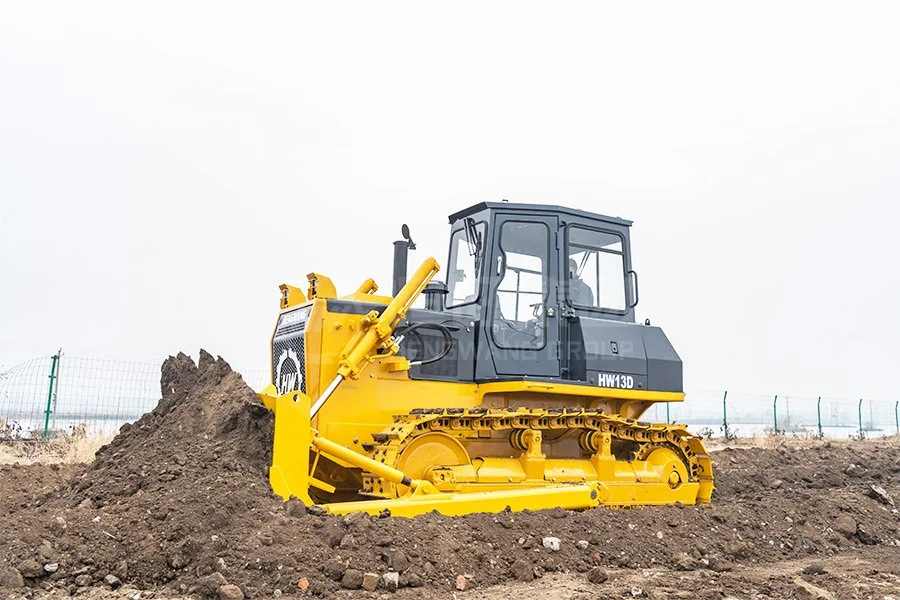
Universal Blades (U-Blades) feature large side wings to hold more material. These are perfect for moving large piles of soft soil or coal. A combination of these features creates the Semi-U blade. This hybrid design offers both strength and high capacity for diverse tasks.
Rear-mounted attachments like rippers add even more functionality. A ripper is a claw-like device used to break up hard ground. It can penetrate asphalt, frozen soil, or even soft rock. Once the surface is broken, the front blade moves the debris away.
Mining operations utilize the heaviest dozers for massive material handling. These machines move overburden to reveal mineral deposits underneath. Their durability allows them to work in harsh, abrasive environments. In these settings, bulldozer uses focus on maximum volume and continuous operation.
Why Technical Specifications Define Bulldozer Capability
Choosing a machine requires looking at the raw data. A dozer with an operating weight of 14,500 kg offers significant downforce. This weight is necessary for cutting through compacted clay or hardpan. Lighter machines often struggle to maintain traction during heavy pushes.
Engine performance is equally critical for demanding bulldozer uses. A power output of 104 kW at 1900 rpm provides a balance of speed and force. This specific power range allows for efficient fuel consumption during long shifts. High-torque engines ensure the machine does not stall under heavy loads.
Ground pressure determines where a machine can safely work. A pressure rating of 62 kPa allows the machine to float on softer surfaces. This is vital for swampy areas or wet construction sites. High ground pressure might cause a machine to get stuck in mud.
Blade capacity directly influences the speed of project completion. A 4.5 m³ blade capacity allows an operator to move significant volumes of dirt. Fewer passes mean less wear on the tracks and lower fuel costs. Efficiency in material handling is the key to maintaining project budgets.
Selecting the Best Bulldozer for Site Requirements
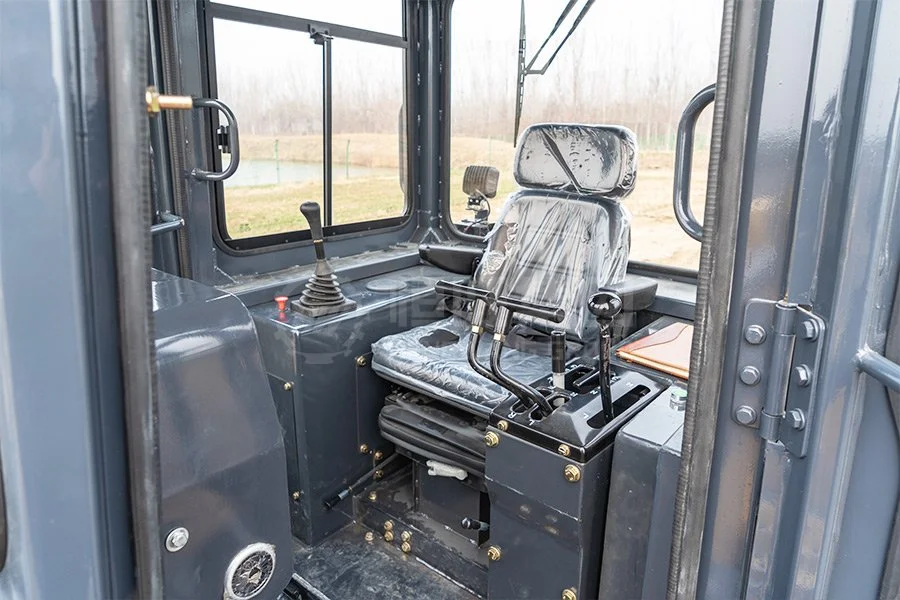
Determining the right machine involves evaluating your specific site conditions. You must judge if a medium-duty dozer fits your spatial constraints. Larger dozers offer more power but require more room to maneuver. Smaller models excel in tight urban construction zones.
One must consider the balance between power and precision. If your project involves fine leveling, look for responsive hydraulic controls. If you are mainly clearing heavy debris, focus on engine torque and blade width. A track gauge of 1880 mm provides a stable base for most medium-scale tasks.
Understanding the terrain is the most important factor in your decision. Soft, silty soil requires a machine with low ground pressure. Rocky terrain demands a heavy-duty undercarriage to resist abrasive wear. Assessing these variables ensures you select a machine that minimizes downtime.
The right equipment should offer a mix of durability and ease of maintenance. Look for machines with reliable engines and accessible service points. This prevents minor issues from turning into expensive project delays. Proper selection leads to higher productivity and safer work environments.
Summary
Common bulldozer uses include land clearing, road grading, and heavy material transport. These machines rely on high operating weights and powerful engines to reshape the earth. By choosing the correct blade and power specifications, operators can maximize efficiency. A well-selected bulldozer is the foundation of any successful construction or mining project.
FAQ
Q:What are the primary bulldozer uses in residential construction?
Bulldozers are used to clear trees, level building lots, and dig ponds. They provide the initial site preparation needed before foundations are poured.
Q:Can a bulldozer work on soft or wet ground?
Yes, dozers with low ground pressure are designed for soft terrain. Their wide tracks distribute weight to prevent the machine from sinking.
Q:What is the function of a bulldozer ripper?
A ripper is used to break up hard surfaces like rock or pavement. It sits at the back of the machine and claws into the ground.
Q:How does blade capacity affect work speed?
Higher blade capacity allows the operator to move more dirt in a single pass. This reduces the total time required to clear or level an area.
Q:What is the difference between an S-blade and a U-blade?
An S-blade is straight and short, making it best for fine grading. A U-blade is curved with side wings to carry larger loads of loose material.
Reference Sources
Association of Equipment Manufacturers (AEM)
https://www.aem.org/
Occupational Safety and Health Administration (OSHA)
https://www.osha.gov/
International Union of Operating Engineers
https://www.iuoe.org/