Selecting the right heavy machinery is the foundation of any successful construction project. Excavators serve as the primary workhorse for digging, lifting, and material handling across various industries. Understanding the different types of excavators allows project managers to optimize efficiency and reduce operational costs. These machines range from compact units for backyard landscaping to massive crawlers used in open-pit mining. Each model offers unique mechanical advantages tailored to specific terrains and workloads. By matching the machine to the environment, operators can ensure maximum productivity and safety on site.
What Are the Most Common Types of Excavators for Construction?
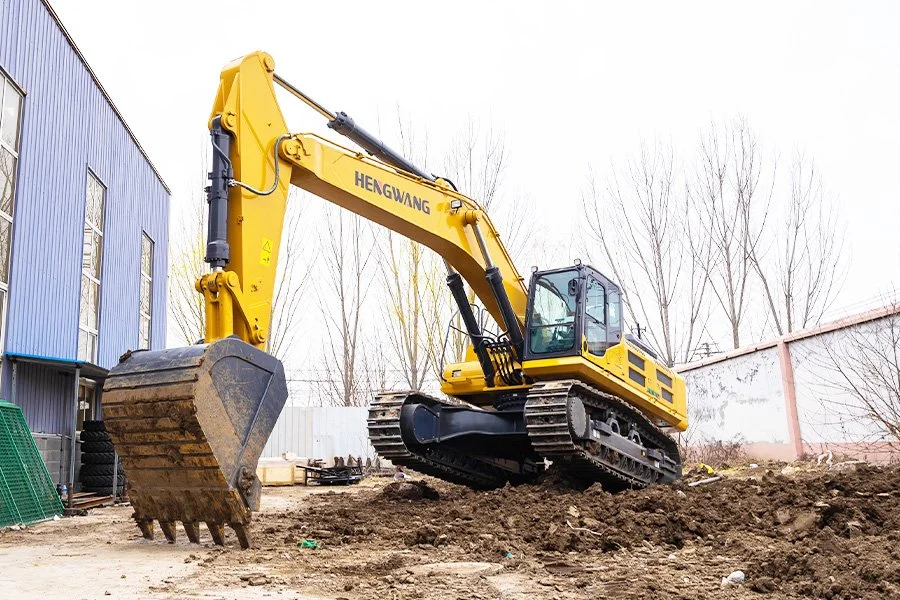
The most frequent machines seen on job sites are categorized by their movement and size. Standard crawler excavators are the most popular types of excavators due to their stability on uneven ground. They utilize a chain track system that distributes weight evenly across the surface. This design prevents the machine from sinking into soft soil or mud. Large-scale earthmoving projects typically require these heavy-duty crawlers. They can handle payloads ranging from 20 to over 100 tons in extreme environments.
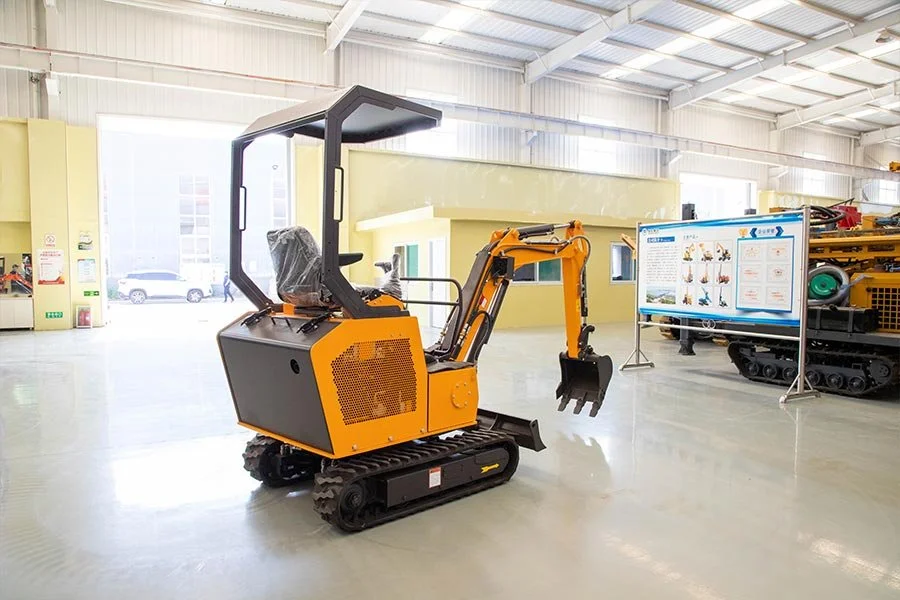
Mini excavators represent a rapidly growing segment of the machinery market. These compact types of excavators are ideal for urban construction and tight residential spaces. Most mini models weigh between 0.8 and 8 tons. They feature a reduced tail swing, which allows the cab to rotate within the width of the tracks. This functionality prevents accidental damage to nearby walls or structures. Contractors often prefer them for trenching, utility repairs, and small-scale landscaping tasks.
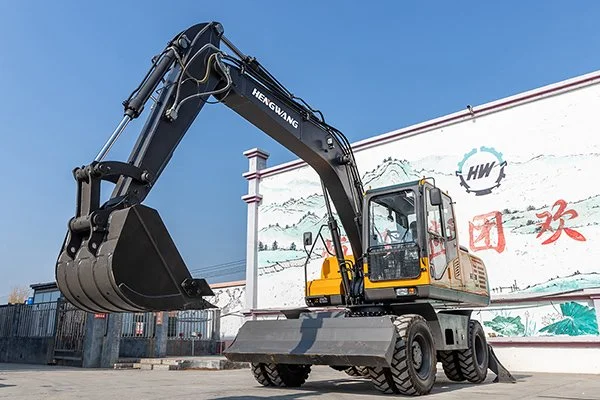
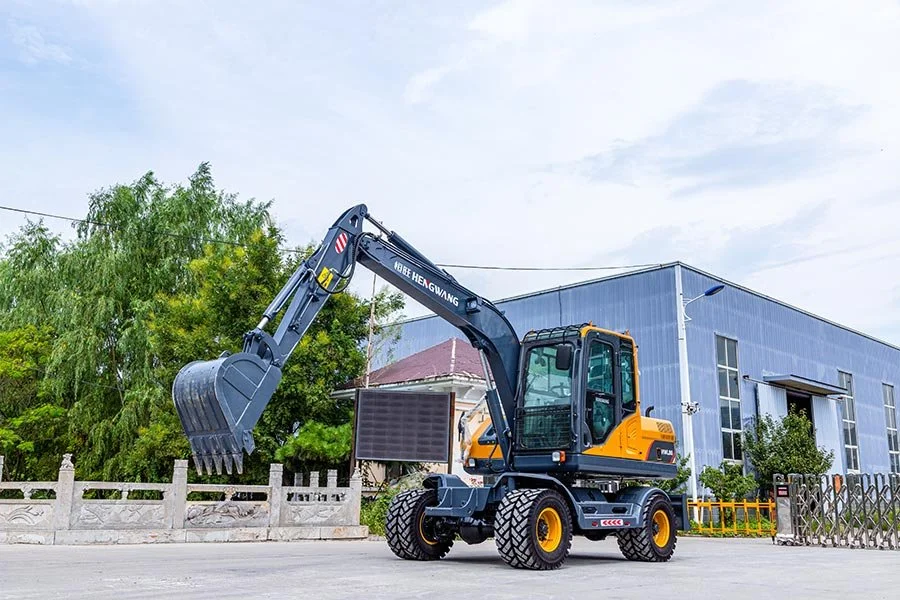
Wheeled excavators offer a distinct advantage in terms of mobility and speed. Unlike tracked models, these types of excavators use rubber tires to move between job sites. They can travel at speeds up to 20 or 25 miles per hour on paved roads. This eliminates the need for a dedicated transport trailer for short distances. While they lack the extreme stability of crawlers on soft dirt, they excel on concrete and asphalt surfaces. They are frequently used for roadwork, bridge repairs, and municipal maintenance projects.
| Excavator Type | Average Weight Range | Primary Application |
| Mini Excavator | 0.8 to 8 Tons | Landscaping & Utility Work |
| Standard Crawler | 10 to 45 Tons | General Construction & Digging |
| Large Excavator | 50 to 100+ Tons | Mining & Massive Earthmoving |
| Wheeled Excavator | 10 to 25 Tons | Roadwork & Urban Projects |
| Long Reach | 20 to 50 Tons | Deep Dredging & Demolition |
Key Differences Between Crawler and Wheeled Types of Excavators
Choosing between tracks and wheels depends largely on the terrain of your project site. Crawler types of excavators provide superior traction on steep slopes and wet landscapes. Their tracks create a large surface area contact with the ground. This results in a lower ground pressure, typically between 3 and 7 PSI (pounds per square inch). Lower pressure is essential for working on marshes or loose sand where wheels would get stuck. Additionally, the heavy undercarriage acts as a natural counterweight for heavy lifting operations.
Wheeled types of excavators prioritize efficiency and surface protection. Tires do not damage finished pavement or delicate flooring like steel tracks do. This makes them the best choice for finishing work in developed areas. Operators can drive the machine directly to the next task without waiting for a low-boy trailer. However, wheeled models require outriggers or stabilizers to remain steady during a dig. Without these stabilizers, the machine may bounce or tip when lifting heavy loads at full reach.
Hydraulic power remains the core performance metric for all types of excavators. Most modern systems operate at pressures exceeding 300 bar (4,350 PSI). This high pressure allows the boom and arm to exert massive breakout forces. For example, a medium-sized crawler might deliver over 100 kN of bucket digging force. These technical specifications dictate how fast a machine can cycle through a digging task. High-efficiency hydraulic pumps ensure that the machine remains responsive under heavy loads.
Specialized Types of Excavators for Unique Projects
Some projects require reach or capabilities that standard machines cannot provide. Long-reach types of excavators feature an extended arm and boom assembly. These attachments can reach distances of 60 to 100 feet from the machine center. They are indispensable for dredging rivers or deep-sea channels from the shoreline. They are also used in high-rise demolition to reach upper floors safely. Because of the long arm, these machines require specialized counterweights to maintain balance.
Dragline excavators are significantly larger and function through a different mechanical principle. They use a system of cables and winches to pull a bucket toward the machine. These types of excavators are primarily found in large-scale surface mining and civil engineering. A large dragline can have a bucket capacity of over 100 cubic yards. Their massive size means they are often assembled on-site and remain there for years. They offer the lowest cost per ton for moving massive amounts of overburden.
Suction or vacuum excavators represent a niche but vital segment for safety. These machines use a high-pressure water jet and a powerful vacuum hose to remove soil. They are the preferred types of excavators for “soft dig” applications where underground utilities are present. Using a traditional metal bucket near gas lines or fiber optic cables is extremely risky. The suction method removes the dirt without damaging the sensitive infrastructure beneath. This technology reduces the risk of utility strikes by over 80% on busy urban sites.
How to Select the Best Machine for Your Project
Evaluating the specific needs of your job site is the first step in equipment selection. You must consider the maximum digging depth and the required lifting capacity for your heaviest materials. Smaller types of excavators might struggle with deep foundations but offer better fuel economy. Fuel consumption for a mini excavator is often less than 2 gallons per hour. In contrast, a large mining excavator may consume over 20 gallons per hour during peak operation. Balancing power requirements with operating costs is essential for maintaining project profitability.
Maintenance and attachment compatibility also play a major role in the decision process. Most modern types of excavators feature quick-coupler systems for easy tool changes. You can switch from a standard bucket to a hydraulic breaker or an auger in minutes. This versatility allows a single machine to perform multiple roles on a site. It is important to ensure the hydraulic flow of the machine matches the requirements of the attachment. High-flow attachments like mulchers require specific hydraulic configurations often found in mid-sized models.
Environmental regulations and noise restrictions may dictate your choice in urban settings. Many manufacturers now offer electric or hybrid types of excavators to meet zero-emission standards. These machines provide near-silent operation, which is perfect for working near hospitals or schools. They also reduce the long-term maintenance costs associated with diesel engines. When selecting a machine, always verify that the engine meets local Tier 4 or Stage V emission requirements. This ensures compliance and avoids potential fines during project inspections.
Choosing the right model from a professional manufacturer ensures reliability. When you browse professional equipment catalogs, look for machines that prioritize operator comfort and cabin visibility. Brands like Hengwang provide a wide range of crawler and mini models designed for durability. Their HW-series excavators focus on high-torque output and reinforced structural components. Selecting a machine from a dedicated supplier helps you find the specific tonnage and hydraulic power needed for your unique terrain. Always check for local service support to minimize downtime during critical project phases.
Summary
The diverse types of excavators available today ensure that there is a perfect machine for every task. From highly mobile wheeled units to powerful heavy-duty crawlers, each type offers specific mechanical benefits. By analyzing your terrain, digging depth, and budget, you can select an excavator that maximizes efficiency and site safety.
FAQ
What are the most common types of excavators?
The most common types include crawler, wheeled, mini, and long-reach excavators. Each is designed for specific environments ranging from soft soil to paved roads.
How do I choose between a crawler and a wheeled excavator?
Choose a crawler for rough terrain and maximum stability on loose soil. Select a wheeled excavator if you need to travel on roads or work on finished surfaces without causing damage.
What is a mini excavator used for?
Mini excavators are used for small-scale projects like landscaping, trenching, and utility work in confined spaces. They are popular for their ease of transport and ability to work in tight areas.
Why is hydraulic pressure important for an excavator?
Hydraulic pressure determines the digging and lifting force the machine can exert. Higher pressure allows for faster cycle times and the ability to break through tougher materials like rock or compacted clay.
Reference Sources
OSHA (Occupational Safety and Health Administration)
Trenching and Excavation Safety Guidelines
https://www.osha.gov/
Association of Equipment Manufacturers (AEM)
Industry Standards and Machine Classifications
https://www.aem.org/