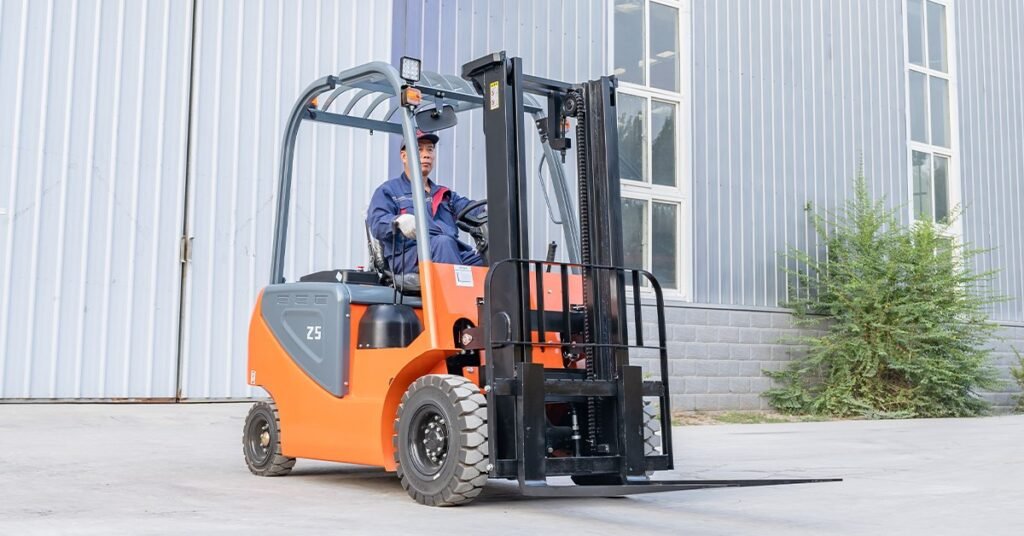
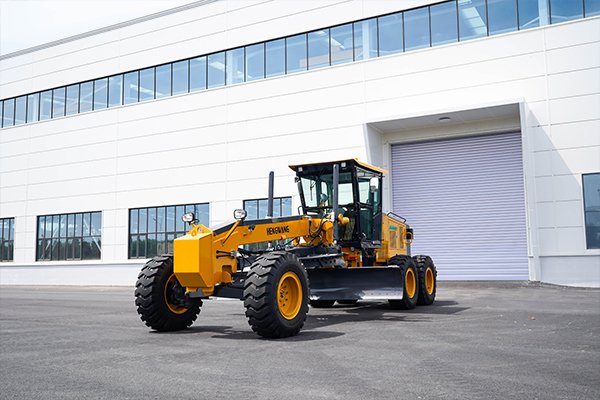
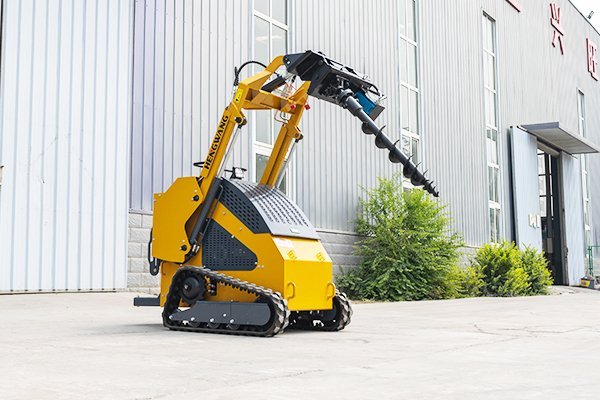
The modern construction site no longer views an excavator as just a “hole-digger.” To a seasoned fleet manager or OEM consultant, an excavator is a mobile hydraulic power plant. The right attachment transformation can turn a standard 20-ton machine into a precision demolition tool, a high-speed forestry mulcher, or a specialized foundation drill.
Choosing the right tool is a balance of hydraulic physics and commercial reality. If you mismatch the flow requirements of a hydraulic breaker with your machine’s auxiliary output, you risk cavitation, excessive heat, or catastrophic seal failure. This excavator attachments guide breaks down the critical selection criteria that bridge the gap between heavy iron and job-site profitability.
Technical Compatibility: The Engineering Behind the Tool
Before selecting a tool based on its utility, you must evaluate the carrier’s hydraulic architecture. Every attachment has a “sweet spot” regarding GPM (Gallons Per Minute) and PSI (Pounds per Square Inch).
- Auxiliary Hydraulic Circuits: Most modern excavators from manufacturers like Hengwang come equipped with auxiliary piping. However, you must distinguish between one-way flow (used for breakers) and two-way flow (required for rotating grapples or augers).
- Operating Weight vs. Attachment Mass: A common mistake in the field is over-sizing the attachment. A tool that is too heavy shifts the center of gravity, reducing the safe working load (SWL) and increasing wear on the bushings and pins.
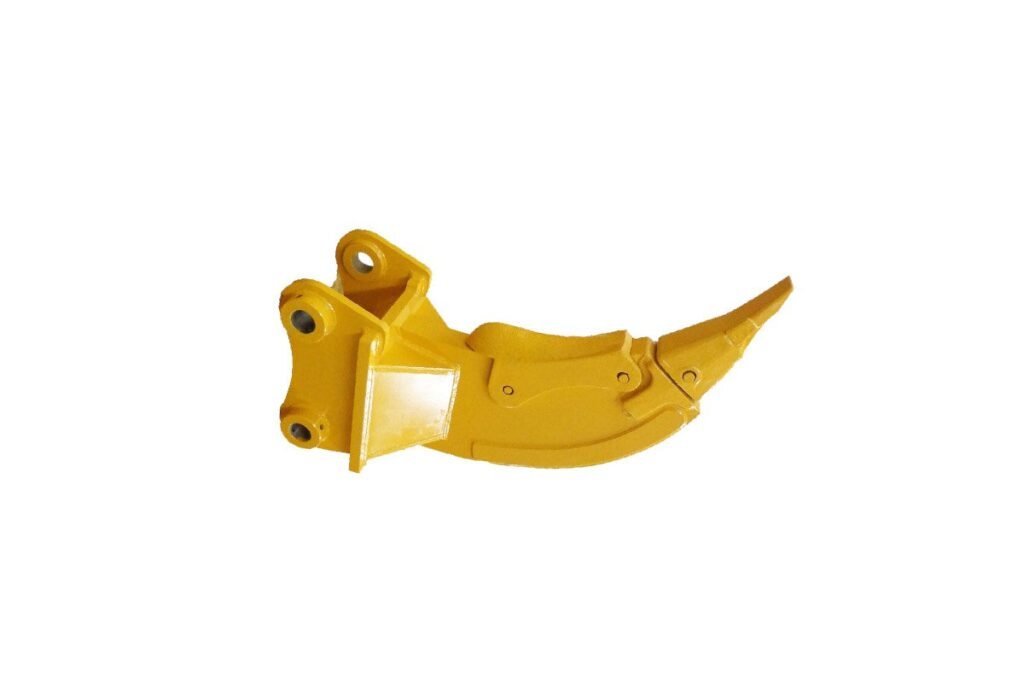
- The Quick Coupler Advantage: For contractors managing tight deadlines, the transition time between a bucket and a ripper is dead time. Investing in a hydraulic quick hitch (coupler) allows for cab-operated changes, significantly reducing labor risks and machine downtime.
Top Excavator Attachments for High-Yield Construction Work
Based on current industry demand and manufacturing standards, the following categories represent the highest ROI for construction operations.
| Attachment Type | Primary Application | Key Technical Metric | Performance Factor |
| Hydraulic Breaker | Demolition/Trenching | Impact Energy (Joules) | Nitrogen-charged vs. Hydraulic |
| Auger Drive | Foundation/Fencing | Torque (Nm) | Gearbox ratio & motor displacement |
| Hydraulic Grapple | Land Clearing/Sorting | Clamping Force | 360° Rotation capability |
| Vibratory Compactor | Roadwork/Backfilling | Frequency (VPM) | Impulse force & plate dimensions |
| Mulcher/Cutter | Site Preparation | Drum Speed (RPM) | Tooth metallurgy & flow matching |
1. Hydraulic Breakers: The Heavy Hitters
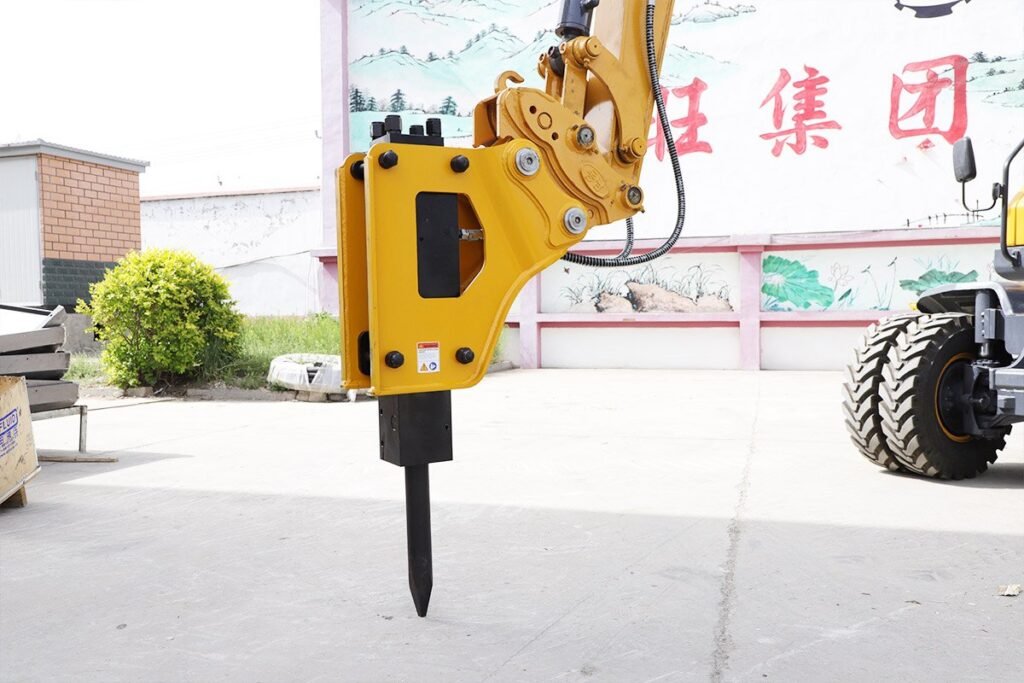
For demolition and rock excavation, the hydraulic breaker is indispensable. Industry experts look for “silenced” versions which not only meet urban noise ordinances but also protect the excavator’s boom from excessive vibration through high-performance damping systems.
2. Earth Augers: Precision Foundations
When drilling for piers or utility poles, the torque-to-speed ratio is paramount. In heavy clay or rocky soil, a high-torque planetary gearbox is required. For lighter landscaping, a high-speed direct-drive motor is more efficient.
3. Rotating Grapples and Clamshells
Material handling has evolved. Modern grapples offer synchronized jaw movement and continuous rotation, allowing operators to pick and place materials with surgical precision. This reduces the need for ground crews, enhancing site safety.
Matching Attachments to Application Logic
The “best” attachment is entirely dependent on your specific sector of the industry.
- Urban Infrastructure: Focus on low-noise hydraulic breakers and specialized “tilt-rotator” systems that allow buckets to work in confined spaces without repositioning the entire machine.
- Land Development: High-efficiency mulchers and tree shears are the priority. Here, the cooling capacity of the excavator is the bottleneck; ensure your carrier can handle the constant high-flow demand of a mulching head.
- Utility & Pipeline: Deep-reach buckets and compaction wheels allow for rapid trenching and backfilling, ensuring the project moves at the pace of the pipe-laying crew.
Commercial Evaluation: Selecting an OEM Partner
From a procurement perspective, the attachment is only as good as the support behind it. When sourcing from global manufacturers like Hengwang, evaluating the “Total Cost of Ownership” (TCO) is critical.
- Steel Grade: Look for high-tensile, wear-resistant steel (such as Hardox or equivalent) in high-impact areas like bucket teeth and breaker housings.
- Component Provenance: High-quality hydraulic motors and valves (often sourced from international leaders or top-tier domestic manufacturers) ensure that the attachment won’t fail under peak load.
- Customization (OEM/ODM): Large-scale projects often require non-standard solutions—perhaps a specific grapple width or a reinforced breaker for underwater work. A manufacturer’s ability to provide custom engineering is a primary indicator of their technical depth.
For those managing diverse fleets, the Hengwang Accessories Division provides a standardized range of attachments designed for seamless integration across various machine tonnages, ensuring compliance with international ISO and CE standards.
Strategic Implementation: Increasing Machine Lifespan
To maintain the value of your assets while using heavy attachments, adhere to these “field-proven” rules:
- Daily Greasing: High-vibration tools like breakers require greasing every 2-3 hours of continuous use.
- Hydraulic Oil Analysis: Attachments introduce more heat and potential contaminants. Shorten your oil filter replacement intervals by 20% when running high-flow tools.
- Warm-up Cycles: Never run a hydraulic tool at full throttle immediately. Allow the oil to reach operating temperature to prevent seal “shock.”
FAQ
Q: Can I use the same attachment on different brands of excavators?
A: Generally, yes, provided the pin diameter, ear width, and center-to-center measurements match. If they don’t, a custom adapter plate or a universal quick coupler can bridge the gap. Always verify that the hydraulic flow and pressure of the new carrier stay within the attachment’s rated limits.
Q: What is the typical lead time for custom OEM excavator attachments?
A: Standard attachments are often in stock. However, custom-engineered tools (e.g., specialized sub-sea breakers or oversized grapples) typically involve a 4–6 week lead time, including engineering sign-off, fabrication, and pressure testing.
Q: How do I determine if my excavator needs a “high-flow” kit for a specific attachment?
A: Check the attachment’s technical datasheet for the “Required Flow Rate.” If that number exceeds 75% of your excavator’s standard auxiliary output, you may need a dedicated high-flow pump or a secondary hydraulic circuit to prevent overheating and sluggish performance.
Q: Are hydraulic breakers more cost-effective than blasting for rock removal?
A: In urban or environmentally sensitive areas, breakers are the only viable option due to vibration and noise regulations. Commercially, for volumes under 5,000 cubic meters, hydraulic breaking is usually more cost-effective than the permitting and safety overhead required for explosives.
Reference Sources
- ISO 6016: Earth-moving machinery — Methods of measuring the masses of whole machines, their equipment and components.
- Association of Equipment Manufacturers (AEM): Best practices for attachment safety and maintenance.
- Hengwang Group Technical Documentation: Hydraulic flow compatibility and material specification charts.
- Construction Equipment Association (CEA): Guidelines on noise and vibration emissions for hydraulic tools.