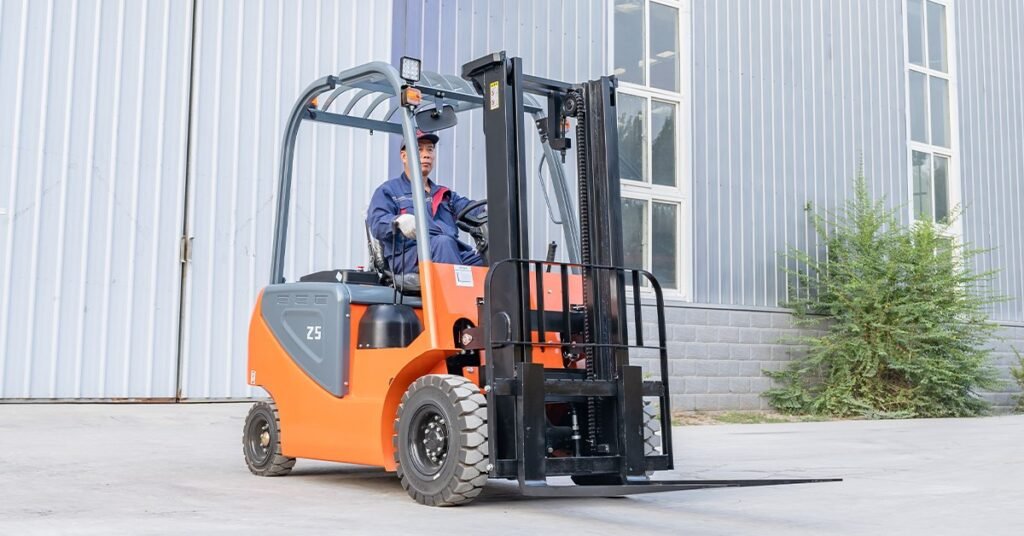
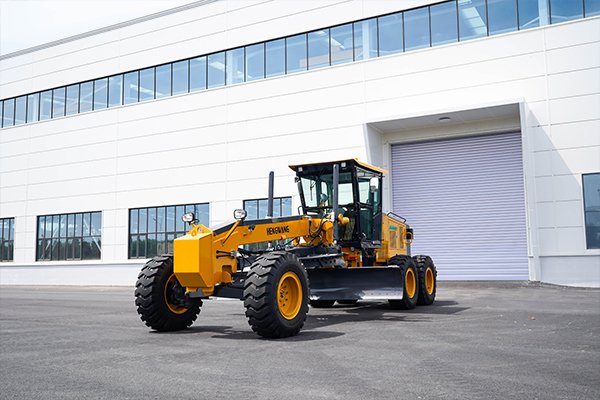
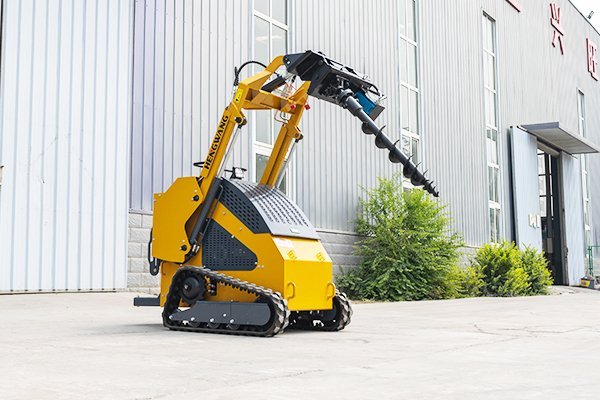
The acquisition of heavy construction equipment—whether a single crawler excavator or a fleet of rotary drilling rigs—represents a significant capital expenditure. For international buyers and project managers, the period immediately preceding shipment is the most critical phase for quality assurance. A defect discovered at a remote job site in Australia or a construction project in South East Asia can lead to weeks of downtime, astronomical repair costs, and logistical nightmares.
A robust pre-shipment inspection (PSI) is not merely a formality; it is a risk-mitigation strategy. This professional checklist provides a technical framework for evaluating construction machinery to ensure it meets the rigorous demands of the field and complies with international shipping standards.
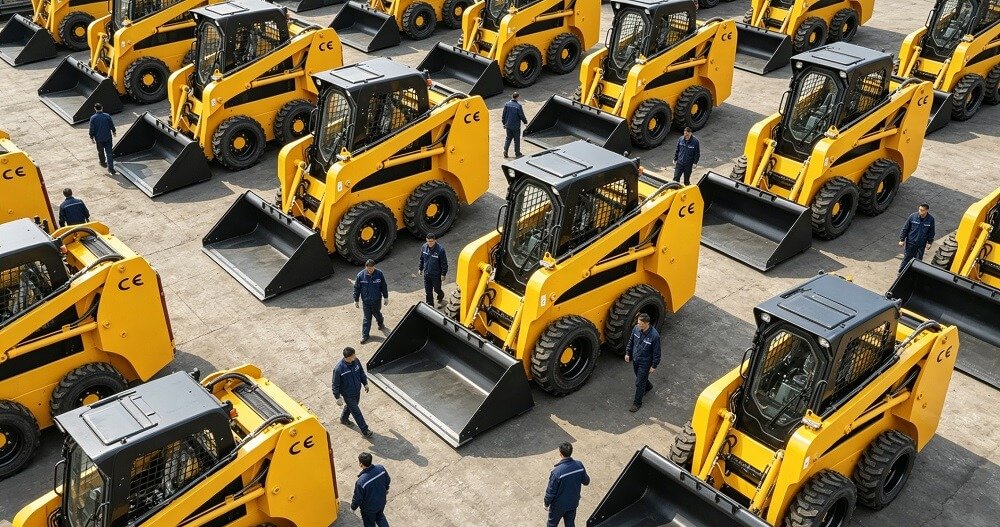
1. Primary Powertrain and Engine Verification
The engine is the heart of any construction machine. Whether the unit is equipped with a Yanmar, Kubota, or Cummins engine, the inspection must go beyond a simple “start-and-run” test.
- Fluid Levels and Integrity: Verify oil, coolant, and hydraulic fluid levels. Inspect for any signs of “milky” oil, which indicates coolant contamination and potential head gasket failure.
- Cold Start Performance: The machine should start within 3–5 seconds from a cold state without excessive smoke. Analyze exhaust color: black smoke may indicate fuel-air ratio issues, while blue smoke suggests oil consumption.
- Belt and Hose Inspection: Check all fan belts for proper tension and signs of cracking. Inspect radiator hoses for soft spots or brittleness that could lead to failure under high-pressure operating temperatures.
- Battery and Alternator: Use a multimeter to verify the battery’s resting voltage and the alternator’s output while the engine is running (typically 13.5V to 14.5V).
2. Hydraulic System and Structural Integrity
For equipment like excavators or piling rigs, the hydraulic system’s performance determines the machine’s efficiency.
- Cylinder and Seal Check: Fully extend all hydraulic cylinders (boom, arm, and bucket). Inspect the chrome plating for pits or scratches and check the seals for weeping or active leaks.
- Cycle Time Analysis: Measure the time required for full cycles of the primary movements. Compare these against the manufacturer’s technical specifications. Sluggish movement often points to a failing hydraulic pump or clogged filters.
- Spool Valve and Manifold Inspection: Open the side panels to inspect the main control valve. Look for hydraulic “sweating” at the hose connections.
- Undercarriage and Chassis: For crawler-mounted machinery, inspect the track tension and the condition of the rollers and idlers. For wheeled units, verify tire ply ratings and rim integrity. Ensure all structural welds are free of hairline fractures or “stress blushing” in the paint.
3. Operational and Safety Systems
A machine that is mechanically sound but operationally unsafe is a liability.
- ROPS/FOPS Certification: Ensure the Roll-Over Protective Structure (ROPS) and Falling Object Protective Structure (FOPS) are intact and have the original manufacturer’s certification plates clearly visible.
- Electronic Control Units (ECU): Monitor the digital dashboard for any active fault codes or warning lights. Verify that the hour meter reflects the true usage of the machine.
- Lighting and Alarms: Test all work lights, beacons, and back-up alarms. In many jurisdictions, a non-functional travel alarm can lead to immediate site expulsion.
- Attachment Compatibility: If the order includes various attachments (e.g., augers, breakers, or specialized buckets), perform a quick-hitch test to ensure seamless mechanical and hydraulic coupling.
4. Technical Comparison: Key Inspection Points by Equipment Type
| Equipment Type | Critical Inspection Focus | Testing Standard |
| Excavators | Slew ring play and boom swing | Zero drift over 10 minutes |
| Drilling Rigs | Mast verticality and winch torque | ISO 12480-1 |
| Road Rollers | Vibration frequency and drum scrapers | Amplitude verification |
| Forklifts | Mast tilt and load chain tension | ANSI/ITSDF B56.1 |
5. Procurement and Customization Logistics (BOFU Guidance)
When sourcing from global manufacturers like Hengwang, the pre-shipment phase is also the time to finalize procurement details. Hengwang’s extensive product range—spanning from compact excavators to heavy-duty piling and drilling rigs—requires a tailored approach to shipping and compliance.
- MOQ and Scaling: For distributors, verify that the Minimum Order Quantity (MOQ) aligns with shipping container optimization (e.g., fitting two 3.5-ton excavators in a 20ft container).
- Customization (OEM/ODM): If the machinery was customized with specific hydraulic valves or specialized engines (e.g., Euro V or EPA Tier 4 compliance), cross-reference the component serial numbers against the sales contract.
- Lead Times and Shipping: Confirm the Estimated Time of Departure (ETD). Ensure the manufacturer provides a “Clean on Board” Bill of Lading and a detailed packing list.
- Request for Quotation (RFQ) Workflow: Before final balance payment, request a high-definition video of the functional test and a series of “shipping-ready” photos showing the machine’s tie-down points and protective wrapping.
6. Final Documentation and Compliance
The physical machine is only half of the shipment; the paperwork is the other half. Without proper documentation, equipment can be held in customs for weeks, incurring significant demurrage fees.
- Certificate of Origin: Required for tariff calculations and trade agreement benefits.
- CE/ISO Documentation: Ensure the CE Declaration of Conformity is included for European markets or relevant EPA documentation for the North American market.
- Maintenance Manuals: Verify that a physical copy of the operator’s manual (in the destination language) and a digital parts book are provided.
- Anti-Corrosion Treatment: For sea freight, confirm that the machine has been sprayed with a wax-based anti-corrosion film, particularly on exposed hydraulic cylinder rods and chrome surfaces.
FAQ: Construction Machinery Pre-Shipment
Q: Can I conduct a pre-shipment inspection remotely?
A: Yes. Many buyers use third-party agencies like SGS or TUV. Alternatively, reputable manufacturers now offer “Live Video Inspections” where their engineers perform the checklist while you watch via a high-definition stream.
Q: What is the most common issue found during construction machinery inspections?
A: Minor hydraulic leaks at hose fittings and incorrect tire/track tension are the most frequent findings. While minor, these should be corrected before the machine is crated to prevent fluid loss during transit.
Q: How does Tier 4 or Stage V engine compliance affect my inspection?
A: If you are importing to the US or EU, you must verify the DPF (Diesel Particulate Filter) or SCR (Selective Catalytic Reduction) systems are present and functional. Check the DEF (Diesel Exhaust Fluid) tank for integrity.
Q: What is the typical lead time from inspection to port arrival?
A: Once the inspection is cleared, inland transit to the port usually takes 3–7 days, with an additional 2–5 days for customs clearance and vessel loading.
Q: Does Hengwang provide customized inspection reports for OEM orders?
A: Yes, for OEM and high-volume orders, technical data sheets and specific QC certificates are typically provided for each unit’s serial number to ensure batch consistency.
Reference Sources
- ISO 9244:2008: Earth-moving machinery — Safety signs and hazard pictorials — General principles. ISO.org
- SGS Industrial Services: Heavy Equipment Inspection Protocols. SGS.com
- Hengwang Group: Technical Product Specifications and Quality Control Standards. hengwangm.com
- Occupational Safety and Health Administration (OSHA): Heavy Equipment Daily Inspection Requirements. OSHA.gov