What Factors Determine Your Excavator Lead Time?
The total lead time for an excavator is the sum of production duration and logistics transit. On the manufacturing side, the complexity of the machine plays a primary role. A standard micro-excavator usually moves through the assembly line much faster than a 30-ton specialized crawler. Component sourcing is another major driver. Engines and hydraulic pumps are often sourced from specialized global partners like Yanmar or Kubota. If these Tier 1 suppliers experience backlogs, the entire assembly schedule shifts.
Factory workload also influences the timeline. During peak construction seasons, assembly lines may be booked months in advance. We manage this by maintaining a strategic inventory of core chassis and high-demand components. This allows us to reduce the “order-to-ship” gap for our most popular models. Furthermore, the level of quality control (QC) required can add a few days to the process. Every unit must undergo rigorous pressure testing and load-bearing trials before it is cleared for export.
Production Phases: From Order to Factory Gate
The production cycle is a multi-stage process that requires synchronized engineering. Once a purchase agreement is finalized, the order enters our Resource Planning (ERP) system. This triggers the allocation of materials and the scheduling of the welding and painting bays. We break down the manufacturing timeline into several key milestones:
- Material Allocation: Sourcing the high-strength steel, engines, and hydraulic systems.
- Structural Fabrication: Welding the boom, arm, and undercarriage frames.
- Assembly: Integrating the powertrain, electronics, and operator cabin.
- Testing and Calibration: Calibrating hydraulic flow and verifying safety sensors.
- Final Inspection: Ensuring the unit meets international standards like CE or EPA.
| Excavator Category | Average Production Time (Days) | Key Bottlenecks |
| Mini Excavators (<3 Tons) | 7–15 Days | Hydraulic valve availability |
| Medium Excavators (10–20 Tons) | 20–30 Days | Engine supply chains |
| Custom/Heavy Excavators (30+ Tons) | 45+ Days | Specialized attachment fabrication |
Why Customization Impacts Your Delivery Schedule?
Standard machines are often ready for immediate dispatch or require minimal prep time. However, many of our clients require specific modifications to suit their local environmental regulations or specific job site needs. Customization is the most common reason for extended excavator lead times. When you request a non-standard configuration, the engineering team must verify compatibility and potentially source unique parts.
Common customizations that add to the timeline include:
- Engine Upgrades: Switching to Euro V or EPA Tier 4 Final compliant engines for specific markets.
- Climate Packages: Adding specialized HVAC systems or cold-start kits for extreme environments.
- Specialized Attachments: Integrating hydraulic thumbs, breakers, or telescopic booms.
- Custom Branding: Specific paint schemes or fleet numbering for large corporate orders.
These modifications require additional time for both installation and specialized testing. We recommend that importers weigh the necessity of customization against their required delivery date. In many cases, we can offer “modular” attachments that can be shipped separately to keep the main machine’s lead time as short as possible.
Logistics and Shipping Realities for Heavy Equipment
Once the machine leaves our factory gate, the logistics phase begins. This is often where the most significant variables occur. Unlike small consumer goods, excavators require specialized transport. For international shipping, we typically use Flat Rack containers or Roll-on/Roll-off (RoRo) vessels. The availability of these vessels can vary greatly depending on the shipping lane and the time of year.
Port congestion is a recurring challenge in global trade. Even if a machine is manufactured in 15 days, it might sit at the departure port for a week waiting for a vessel. Transit times by sea can range from 20 days to over 50 days depending on the destination. Importers must also account for customs clearance and “last-mile” delivery from the port to their facility. We provide our clients with real-time tracking and documentation support to minimize delays during the inland transportation phase.
How We Optimize Production Cycles at Hengwang?
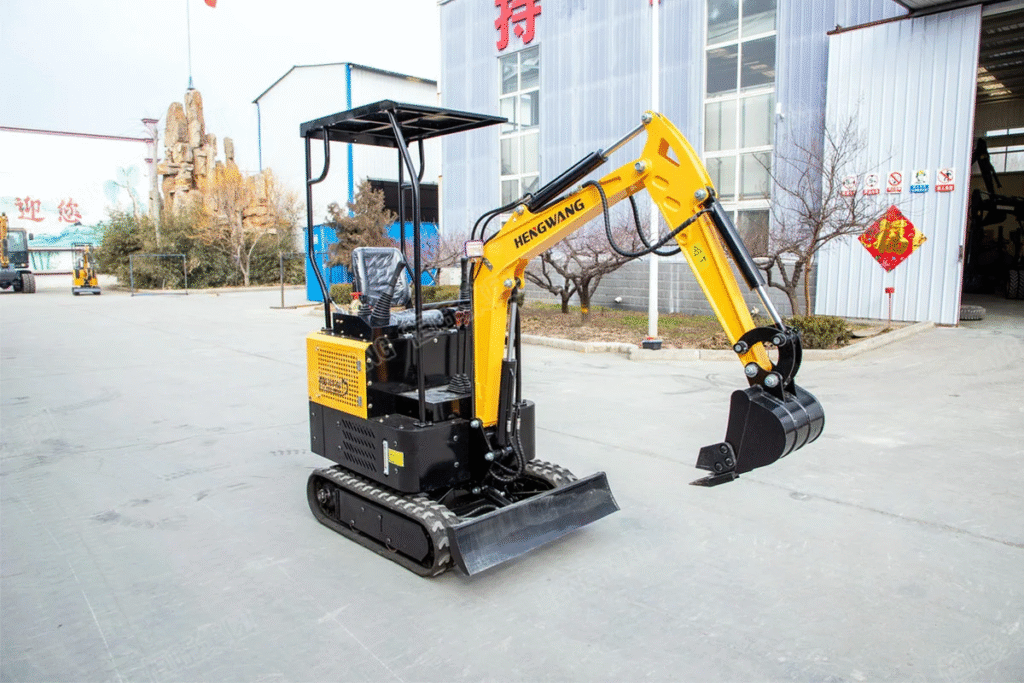
At Hengwang, we have refined our manufacturing infrastructure to offer some of the most competitive lead times in the industry. Our excavator product range covers everything from 0.8-ton mini units to large-scale crawlers. By centralizing our fabrication and assembly processes, we maintain tighter control over the production schedule. We utilize an integrated supply chain that ensures our most popular models, such as the HW series, have a consistent flow of parts.
Our facility uses advanced robotic welding and automated assembly lines for our smaller models. This high level of automation reduces human error and significantly speeds up the structural fabrication phase. For global importers, this means a more predictable schedule. We also offer a “Stock-Ready” program for standard configurations of our most popular mini excavators. This allows us to bypass the standard production queue entirely, often shipping units within 48 hours of payment confirmation.
Strategic Advice for Shortening Machinery Lead Times?
Successful procurement requires proactive planning rather than reactive ordering. To ensure your machinery arrives when you need it, we suggest several strategies to shorten the overall excavator lead time. First, prioritize standard configurations if your project timeline is tight. If a standard machine meets 90% of your needs, the time saved may outweigh the benefits of a custom build.
Second, consider the “Off-Season” for ordering. Many contractors wait until the spring to order equipment, leading to a surge in factory demand. Ordering during the late Q4 or early Q1 period often results in faster production slots and more favorable shipping rates. Finally, ensure all your import documentation and financing are ready in advance. Administrative delays in payment or customs paperwork are common causes of delivery stalls that have nothing to do with the manufacturing process itself.
FAQ
Q: What is the typical lead time for a standard 2-ton mini excavator?
A: For standard units in our HW series, production usually takes 7 to 10 working days. If the unit is currently in stock, we can often arrange dispatch to the port within 3 to 5 days.
Q: Can I reduce the excavator lead time by paying a premium?
A: While we maintain a fair production queue, we do offer “Rush Order” slots for urgent projects. This involves re-allocating resources and potentially adding overtime shifts, which may involve additional costs.
Q: Does the shipping method significantly change the arrival date?
A: Yes. Container shipping is generally more frequent but involves more handling. RoRo shipping is often safer for large machines but has fewer scheduled departures. We help you choose the fastest option based on current port data.
Q: How do global holidays affect my order?
A: Major holidays like the Lunar New Year can pause factory operations for 10–14 days. We always advise our global clients to place orders at least 4 weeks before major holiday shutdowns to avoid the “holiday bottleneck.”
Q: Is the lead time guaranteed in the contract?
A: We provide an estimated “Ex-factory” date in our agreements. While we strive for 100% on-time delivery, we provide regular weekly updates if external factors like component shortages affect the timeline.
Reference Sources
Association of Equipment Manufacturers Production Trends
https://www.aem.org/
ISO 9247: Earth-moving machinery — Electrical wires and cables
https://www.iso.org/standard/16897.html
Global Shipping Council: Container and RoRo Market Updates
https://www.worldshipping.org/