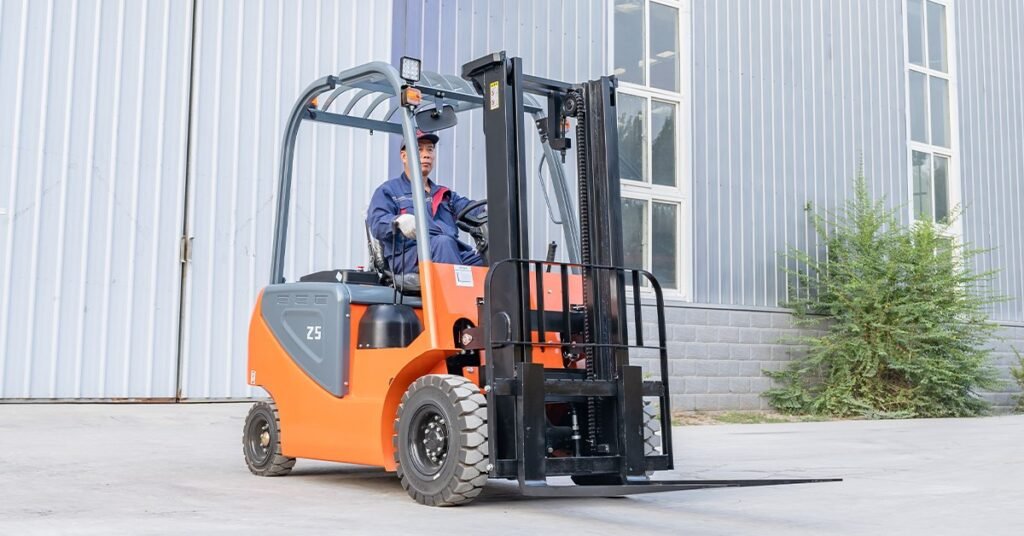
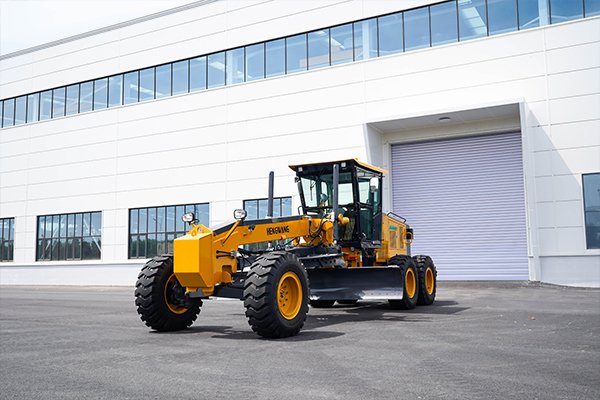
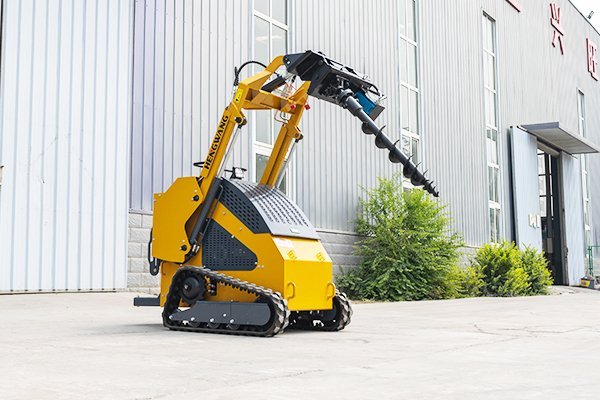
Selecting the right OEM heavy equipment supplier is a pivotal decision for global brands looking to scale their fleet or enter new markets. The construction machinery sector demands more than just assembly; it requires deep metallurgical knowledge, hydraulic precision, and rigorous structural testing. In my years managing large-scale manufacturing projects, I have seen how the gap between a standard factory and a strategic OEM partner can determine the entire lifecycle cost of a machine. Global brands do not just buy steel; they buy engineering reliability and a supply chain that can withstand market fluctuations. At Hengwang, we understand that our role as your partner is to translate complex technical requirements into high-performance machinery that meets international safety and emissions standards.
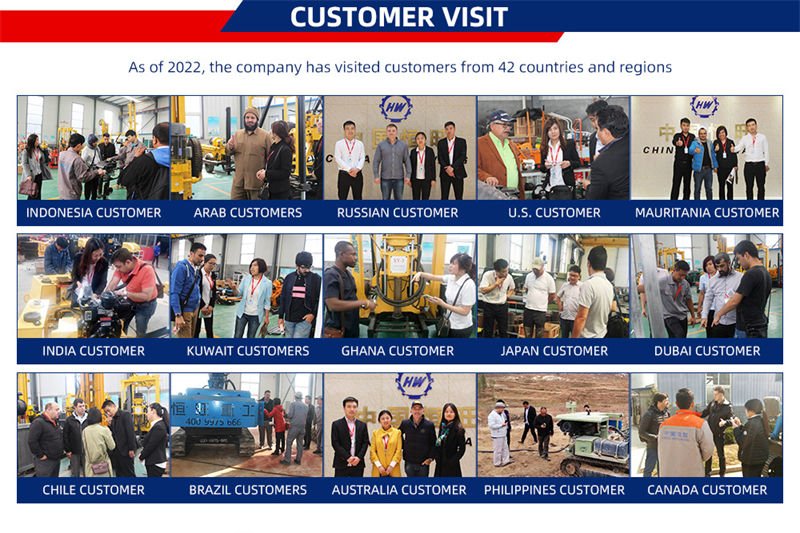
What defines a high-quality OEM heavy equipment supplier?
A Tier-1 OEM heavy equipment supplier must bridge the gap between conceptual design and field-ready durability. Reliability starts with the raw materials, specifically the grade of steel used in frames and booms. High-tensile steel, such as Q345B or specialized alloys, ensures that equipment like excavators or loaders can handle repetitive stress cycles without structural fatigue. Beyond materials, the integration of hydraulic systems—the “circulatory system” of any heavy machine—must be handled with surgical precision to prevent leaks and ensure smooth multi-function movements.
Technical expertise also extends to the powertrain. A capable supplier provides flexible engine configurations to meet regional emissions tiers, such as Euro V or EPA Tier 4 Final. This flexibility allows global brands to maintain a consistent product lineup while adhering to local environmental laws. At our facilities, we prioritize the synergy between the engine, pump, and valve, ensuring maximum breakout force with minimum fuel consumption.
| Criteria | Standard Manufacturer | Strategic OEM Partner (Hengwang) |
| Engineering Support | Basic blueprint follow | Collaborative R&D and DFM optimization |
| Customization | Limited to paint/branding | Structural, hydraulic, and electronic mods |
| Quality Control | Visual and basic functional tests | NDT testing, pressure tests, and load cycles |
| Compliance | Local market standards | CE, ISO, EPA, and Euro-spec certifications |
| Supply Chain | Spot market sourcing | Long-term contracts for core components |
Technical benchmarks for global construction machinery manufacturing
Manufacturing at the OEM level requires adherence to strict tolerances. For instance, the machining of pivot points and pin-to-bushing clearances must often be held within microns to prevent premature wear. We utilize advanced CNC machining centers and robotic welding stations to ensure that every chassis produced is identical to the master CAD model. Robotic welding, in particular, provides deeper penetration and more consistent beads than manual welding, which is critical for the long-term integrity of heavy-duty booms.
Quality assurance in this sector is not a single step but a continuous process. It begins with ultrasonic testing of welds to detect internal voids that could cause catastrophic failure in the field. Every hydraulic cylinder must undergo high-pressure cycle testing to verify seal integrity under extreme loads. These benchmarks are non-negotiable for global brands that risk their reputation with every machine sold. When you evaluate an OEM heavy equipment supplier, you must audit their testing facilities as closely as their production lines.
- Ultrasonic Weld Inspection: Ensures no internal cracks or inclusions in structural components.
- Dynamic Load Testing: Validates machine stability and lifting capacity beyond rated limits.
- Hydraulic Purity Standards: Implementation of ISO 4406 cleanliness codes to protect sensitive valves.
- Surface Treatment: Multi-stage painting processes including sandblasting and powder coating for corrosion resistance.
Customization workflows in heavy equipment OEM projects
The value of an OEM heavy equipment supplier is most visible during the customization phase. Global brands often require specific modifications to meet unique application needs, such as high-altitude cooling packages, specialized attachments, or telematics integration. Our workflow at Hengwang is designed to handle these complexities through a structured phased approach. We don’t just change the color; we re-engineer the machine’s subsystems to handle the specific stressors of the target environment.
Initial consultation focuses on the operational environment—temperature extremes, soil density, and operator ergonomics. We then move to the digital prototyping stage, using Finite Element Analysis (FEA) to simulate how the modified machine will perform under load. This prevents costly physical prototype iterations and accelerates the time-to-market. Whether you are looking at our core product lineup or a completely custom build, the engineering rigors remain the same.
- Phase 1: Application Analysis: Identifying the specific work tools and duty cycles required.
- Phase 2: Digital Simulation: Using FEA to identify potential stress points in custom booms.
- Phase 3: Component Sourcing: Selecting specialized pumps or motors for unique performance needs.
- Phase 4: Prototype Validation: Rigorous field testing of the first unit before mass production.
Why global brands partner with us for heavy machinery?
As a leading manufacturer in the industry, we have built our reputation on the ability to deliver consistent quality at scale. We operate multiple production lines capable of handling diverse machinery types, from compact excavators to heavy-duty drilling rigs. Our vertical integration allows us to control costs and lead times more effectively than suppliers who outsource their structural fabrication. We see ourselves as an extension of your engineering team, providing the manufacturing muscle needed to bring your brand’s vision to life.
We understand the logistical challenges of international trade. Our expertise in global machinery supply extends to protective packaging for sea freight, ensuring that electronics and hydraulic rods are shielded from salt-air corrosion. Furthermore, our documentation support—including detailed parts manuals and service guides—ensures that your end-users receive the professional experience they expect from a global brand. When you choose us, you are choosing a partner that values precision as much as you do.
- Massive Production Capacity: Ensuring your order is delivered on time, regardless of volume.
- Advanced R&D Center: Continuous innovation in autonomous operation and fuel efficiency.
- Comprehensive Parts Support: Maintaining a deep inventory of wear parts for your after-sales network.
- Global Compliance Expertise: Deep understanding of international safety and environmental regulations.
Long-term reliability and compliance in international equipment sourcing
The relationship with an OEM heavy equipment supplier should be viewed through the lens of a five-to-ten-year lifecycle. This includes not just the initial sale, but the availability of replacement parts and technical support. A reliable partner maintains the same component specifications over years of production, ensuring that your field service teams can support older models effectively. At Hengwang, we archive every project’s technical documentation, allowing for precise parts matching even a decade after the machine has left the factory.
Compliance is another critical pillar of long-term reliability. As global regulations regarding carbon footprints and operator safety evolve, your OEM partner must be proactive. We invest heavily in staying ahead of these trends, experimenting with electric powertrains and remote-control systems. This forward-thinking approach protects your brand from obsolescence and ensures that your product remains competitive in a rapidly changing global market.
FAQ
Q: What is the typical lead time for a custom OEM project?
A: Lead times generally range from 8 to 16 weeks, depending on the complexity of the modifications and the sourcing of specialized components like Tier 4 engines or specific hydraulic pumps.
Q: How do you ensure quality consistency across large orders?
A: We implement a multi-stage Quality Management System (QMS) that includes incoming material inspection, in-process robotic weld monitoring, and a final 4-hour functional stress test for every unit produced.
Q: Can you support regional emissions compliance for different countries?
A: Yes, we provide multiple engine configurations, including Euro V, EPA Tier 4, and Stage V, to ensure your equipment meets the legal requirements of your target market.
Q: What is the minimum order quantity (MOQ) for OEM branding?
A: While we prefer volume partnerships, we offer flexible MOQ terms for established brands looking to test new markets or specialized equipment lines.
Q: Do you provide after-sales technical support for our dealers?
A: Absolutely. We provide comprehensive technical training, detailed service manuals, and a dedicated account manager to assist your service teams with complex troubleshooting.
Reference Sources
International Organization for Standardization ISO 9001 Quality Management Standards
https://www.iso.org/iso-9001-quality-management.html
Association of Equipment Manufacturers Construction Industry Insights
https://www.aem.org/
SAE International: Categories of Off-Road Self-Propelled Work Machines (SAE J1116).
https://saemobilus.sae.org/standards/j1116_201301-categories-off-road-self-propelled-work-machines
Occupational Safety and Health Administration (OSHA): Powered Industrial Trucks Standards.
https://www.osha.gov/powered-industrial-trucks/standards