A motor grader is a vital piece of heavy equipment. It features a long, adjustable blade, often called a moldboard. This blade sits between the front and rear axles. Operators use this tool to create flat surfaces during the grading process. In the world of road construction, this machine is indispensable. Proper motor grader uses ensure that the foundation of every road is stable. Without this precision, the final pavement would likely fail.
The machine provides a level of accuracy that other equipment cannot match. While bulldozers move massive amounts of dirt, graders refine the surface. They work on the subgrade and base layers to meet strict engineering specs. Modern road building relies on these machines for both efficiency and durability. Understanding various motor grader uses helps project managers achieve high-quality infrastructure.
What Are the Primary Functions of a Motor Grader?
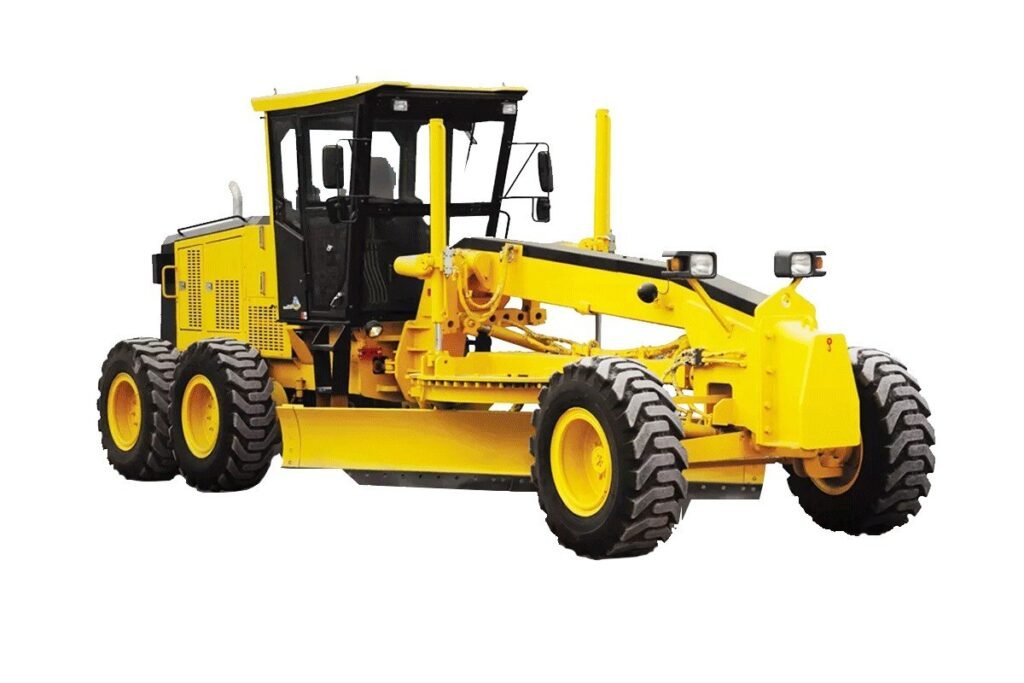
The primary function of this machine is precision leveling and smoothing. It excels at moving small amounts of earth or aggregate to a specific height. This process creates a uniform surface for the next layer of construction. Operators can tilt and angle the blade to achieve a specific grade. This control is necessary for building curved roads or banked turns. The most common motor grader uses involve finishing the subgrade of a roadway.
Another critical function is the creation of drainage systems. The blade can be angled to cut “V” shaped or flat-bottomed ditches. These ditches allow water to flow away from the road surface. Poor drainage is the leading cause of road deterioration and potholes. By using a grader, workers ensure the road shoulder directs water properly. Effective motor grader uses in ditching prevent long-term water damage to the pavement.
Graders also excel at spreading construction materials. When trucks dump gravel or crushed stone, it arrives in large piles. The grader spreads these materials evenly across the roadbed. This ensures a consistent thickness for the base layer of the highway. Consistent thickness leads to uniform load-bearing capacity across the entire lane. Industrial motor grader uses focus on material distribution to maintain structural integrity.
Key Motor Grader Uses Across Construction Phases
During the site preparation phase, graders clear debris and vegetation. They strip the top layer of soil to reach more stable ground. This creates a clean slate for the engineering team to begin their work. The machine can also be used to scarify or loosen hard ground. Rear-mounted rippers break up old asphalt or compacted soil effectively. Early-stage motor grader uses include clearing and preparing the path for new roads.
As construction moves to the base layer, the grader’s role becomes more technical. It mixes different soil types or aggregates directly on the ground. This “road mixing” ensures a stable blend of materials before compaction. The operator uses the moldboard to flip and stir the material repeatedly. Once mixed, the grader levels the blend to a precise thickness. Advanced motor grader uses involve site-mixing materials to improve soil stability.
In the final stages, the machine performs “fine grading.” This is the most demanding task for an operator. The surface must be accurate within a few millimeters. This precision allows asphalt pavers to lay a smooth, even topcoat. A perfectly graded base reduces the amount of expensive asphalt needed. Strategic motor grader uses during fine grading save contractors significant material costs.
Technical Capabilities and Performance Data
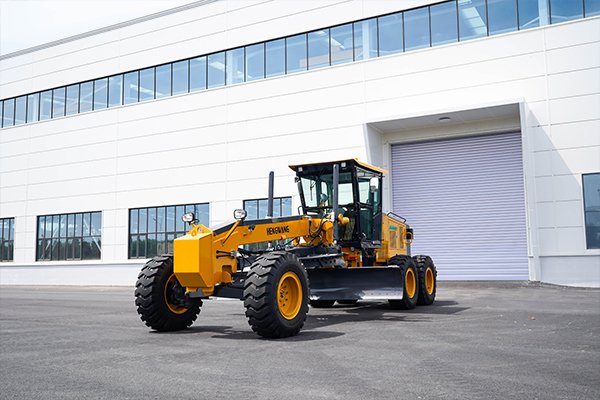
To understand the impact of these machines, we must look at the specifications. Modern units, such as the Hengwang HWSG16-3, are designed for heavy workloads. These machines balance weight and power to maintain traction while cutting. If a grader is too light, the blade will bounce on hard surfaces. If it is too heavy, it may sink into soft subgrades. Matching machine specs to motor grader uses is vital for project success.
| Technical Specification | Typical Range (Medium to Large) | Hengwang HWSG16-3 Example |
| Engine Power | 100 – 150 kW | 130 kW |
| Operating Weight | 12,000 – 16,000 kg | 14,500 kg |
| Standard Blade Width | 3,000 – 4,200 mm | 3,660 mm |
| Max Blade Lift Height | 400 – 500 mm | 450 mm |
| Blade Rotation | 360 Degrees | 360 Degrees |
| Turning Radius | 7.0 – 8.0 m | 7.3 m |
These data points show how the machine handles various tasks. A 360-degree blade rotation allows for reverse grading and easier maneuvering. High lift heights enable the machine to move over large obstacles or piles. The articulated frame design allows the rear wheels to follow a different path. This feature is useful for grading around tight corners or obstacles. The flexibility of the HWSG16-3 enhances diverse motor grader uses in tight spaces.
Why Precision Matters in Modern Road Building
Roads today must withstand higher traffic volumes than ever before. Heavy trucks apply immense pressure to the road surface. If the subgrade has soft spots or uneven areas, the road will crack. Graders eliminate these weak points by ensuring uniform compaction and leveling. This creates a solid foundation that distributes weight evenly. Precision motor grader uses directly correlate with the lifespan of a highway.
Furthermore, accuracy helps in meeting environmental and safety standards. Properly graded slopes prevent soil erosion on embankments. They also ensure that rainwater does not pool in the middle of the road. Hydroplaning is a major safety risk for high-speed traffic. By creating a precise “crown” in the road, the grader keeps drivers safe. Safety-focused motor grader uses are essential for high-speed transportation networks.
Selecting the Right Equipment for Your Project
Choosing the right motor grader depends on several key factors. First, evaluate the size of the construction area. Large highway projects require high-horsepower engines and wider blades. These machines cover more ground in fewer passes, saving time. Smaller projects, like residential streets, benefit from machines with tighter turning radii. Determining the project scale is the first step in optimizing motor grader uses.
Second, consider the terrain and soil type. Hard, rocky ground requires a machine with a heavy operating weight and high downward pressure. Soft or sandy soils may require wider tires for better flotation. Look for machines with advanced hydraulic systems for smoother blade control. Operator comfort is also important for maintaining accuracy during long shifts. Selecting a machine like the HWSG16-3 ensures versatility across different soil conditions.
Finally, check the availability of attachments. A versatile grader should support rippers, scarifiers, and front-mounted blades. These tools expand the machine’s utility beyond simple leveling. A front blade allows the grader to perform light bulldozing tasks. Rear rippers are perfect for breaking up frozen ground or old pavement. Versatile equipment configurations maximize the ROI of motor grader uses on-site.
Summary
Motor graders are the masters of precision in the construction industry. They handle everything from clearing land to fine-tuning the final road base. By mastering motor grader uses, contractors can build safer and more durable roads. These machines provide the essential leveling and drainage that modern infrastructure requires.
FAQ
Q:Can a motor grader be used for snow removal?
Yes, motor graders are highly effective at clearing heavy snow. Their long blades can move large volumes of snow off the road. Many municipalities use them to clear rural roads after winter storms. They can also scrape ice off the pavement more effectively than standard trucks.
Q:What is the difference between a grader and a bulldozer?
A bulldozer is designed for heavy earthmoving and pushing large piles. A motor grader is designed for precision leveling and finishing. While a bulldozer handles the “rough” work, a grader performs the “fine” work. Most road projects use both machines at different stages.
Q:Why is blade rotation important for motor grader uses?
Blade rotation allows the operator to angle the moldboard for various tasks. A 360-degree rotation means the machine can grade while moving forward or backward. It also allows for “side-casting” material to one side of the road. This flexibility is vital for ditching and bank sloping.
Q:How does an articulated frame improve grading?
An articulated frame allows the front and rear sections to pivot independently. This reduces the turning radius and improves maneuverability in narrow areas. It also allows the machine to grade offset from the path of the wheels. This is useful for working on soft edges where the heavy rear wheels might sink.
Reference Sources
Hengwang Group – HWSG16-3 Product Specifications
https://hengwangm.com/
Association of Equipment Manufacturers (AEM) – Safety and Industry Standards
https://www.aem.org/